











 800.503.7604
What You Need to Know About Long Term Catheter Care

Long term catheter care is something millions of people manage every day and with the right approach, it's entirely possible to live a full, active life.
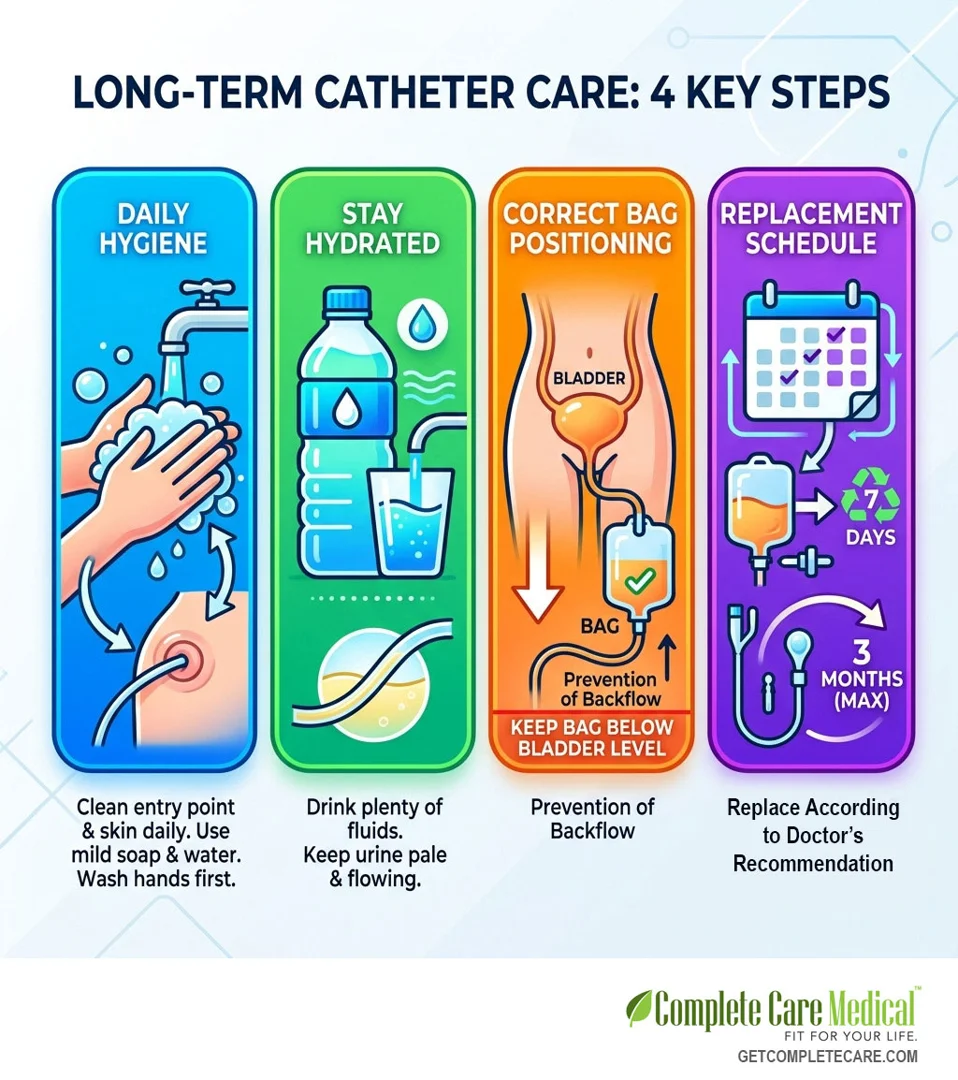
Here's a quick overview of what good long-term catheter care involves:
- Daily hygiene — Clean the skin around the catheter entry point with mild soap and water every day
- Stay hydrated — Drink enough fluids to keep urine pale and flowing freely
- Monitor your equipment — Check for kinks, leaks, or blockages in tubing daily
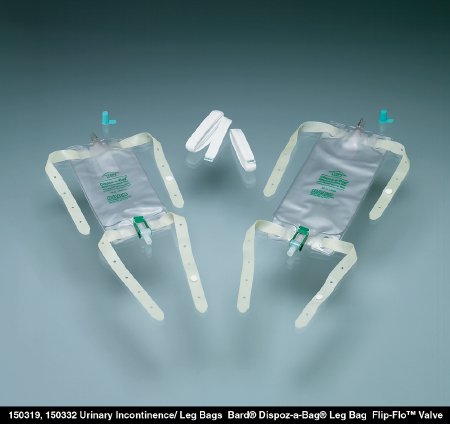
- Replace on schedule — Follow your physicians recommendations. Insurance covers 2 Leg bags and 2 drain bags a month, and 1 Foley a month. Intermittent 150-200 a month depending on insurance, these are single use and should not be used more than once.
- Watch for warning signs — Contact your healthcare provider if you notice fever, cloudy urine, or pain
- Keep bags positioned correctly — Always keep drainage bags below bladder level to prevent backflow
Long-term catheter use, generally defined as use lasting 4 weeks or more, is common among people managing conditions like urinary retention, spinal cord injuries, multiple sclerosis, and other neurological disorders. It's also used in end-of-life care and post-surgical recovery.
The stakes are real. Research shows that approximately 80% of healthcare-associated urinary tract infections are linked to indwelling urinary catheters. Knowing how to care for your catheter properly isn't just about comfort, it's about protecting your health.
At Complete Care Medical, with over the past 20+ years, we have helped tens of thousands of patients across the U.S. access the urological supplies and education they need for safe, effective long term catheter care. In this guide, we'll walk you through everything; from daily hygiene routines to choosing the right supplies, so you feel confident and in control.
Essential Daily Practices for Long Term Catheter Care
Managing a catheter at home becomes second nature with a consistent routine. Hand hygiene is the most critical step; wash thoroughly with soap and water before touching any equipment. Scientific research on long-term catheter management confirms that strict hygiene is the cornerstone of infection prevention. Maintain a clean "care station" for urological supplies and follow the dos and don'ts of care.

Maintaining Hygiene and Preventing Infection
Clean the insertion site (meatus) daily with mild soap and water. Women using urinary catheters should wipe front to back. Men should clean the glans moving outward from the tip. Avoid powders or creams. When cleaning the tube, wipe downward away from the body to avoid pushing bacteria toward the bladder. Understanding everything you need to know about CAUTIs helps prevent symptomatic infections.
Managing Equipment and Drainage Systems
Most users use a leg bag during the day and a larger night bag for sleep.
- Empty early: Drain when half to three-quarters full.
- Keep it low: The bag must stay below bladder level to prevent backflow.
- Secure it: Use a stabilization device to prevent pulling and bladder spasms.
Learn more about leg bag care and using leg bags to keep the system sterile.
Troubleshooting Common Complications
| Issue | Cause | Symptoms | Action |
|---|---|---|---|
| Blockage | Encrustation, kinks | No urine; pain | Check kinks; increase fluids |
| Bladder Spasm | Balloon irritation | Sudden urge; leakage | Check tube tension; consult doctor |
| Bypassing | Kinks or spasms | Leaking around tube | Check flow; check for constipation |
Encrustation occurs when bacteria make urine alkaline, forming crystals. If you experience frequent blockages, review these prevention tips for blockages.
Navigating Life and Supplies with a Long-Term Catheter
A catheter doesn't end your social life. Hydration is key; drink 1.2 to 2 liters of fluid daily to flush the system. Be aware of drinks to avoid, like excessive caffeine. Prevent constipation with a high-fiber diet, as a full bowel can cause blockages. If planning a trip, pack extra supplies in your carry-on.
Choosing the Right Supplies
Catheter material impacts comfort and infection risk:
- Latex: Best for short-term; can cause allergies.
- Silicone: Preferred for long term catheter care; latex-free with a wider channel to prevent blockages.
- Hydrophilic Coatings: Become slippery when wet for easier insertion.
When choosing urological supplies, stay informed about new catheters on the market. Whether you need a Foley or a different type of catheter, the right fit is essential.
When to Seek Medical Advice
Contact your provider if you experience:
- Fever or chills: Signs of spreading infection.
- Cloudy/foul urine: UTI indicators.
- Hematuria: Persistent blood in urine.
- No output: Potential total blockage (if no drainage for 2-4 hours).
- Severe spasms: Unmanageable pain or leaking.
Review frequently asked questions to distinguish between home fixes and medical emergencies.
Conclusion and Support
Living with a long-term catheter is a journey, but you don't have to walk it alone. At Complete Care Medical, we are more than just a supply company, we are your partners in health. Based in Houston, Texas, we pride ourselves on offering a personalized experience that the "big box" suppliers just can't match.
We understand that navigating insurance can be the most stressful part of long term catheter care. That’s why we specialize in billing insurance directly, often providing your catheters and supplies at no cost to you. Whether you are in the United States, the UK, Canada, or Europe, the principles of high-quality care remain the same: hygiene, hydration, and the right equipment.
If you need help getting started or are looking for a more reliable way to receive your supplies, consider our catheter home delivery service. We treat every customer with the respect and attention to detail they deserve, ensuring you get the correct products and the knowledgeable support to use them safely.
For more educational resources, tips, and guides, explore our full library of articles. We're here to help you maintain your "healthy flow" and get back to enjoying your life.
Support Resources:
- NHS 111: For urgent medical advice in the UK.
- Bladder and Bowel Community: For peer support and lifestyle tips.
- CDC Infection Control: For the latest guidelines on preventing CAUTIs.
- Complete Care Medical Support: Reach out to us for personalized supply guidance and insurance navigation.