









 800.503.7604
What Is 0.9% Normal Saline?
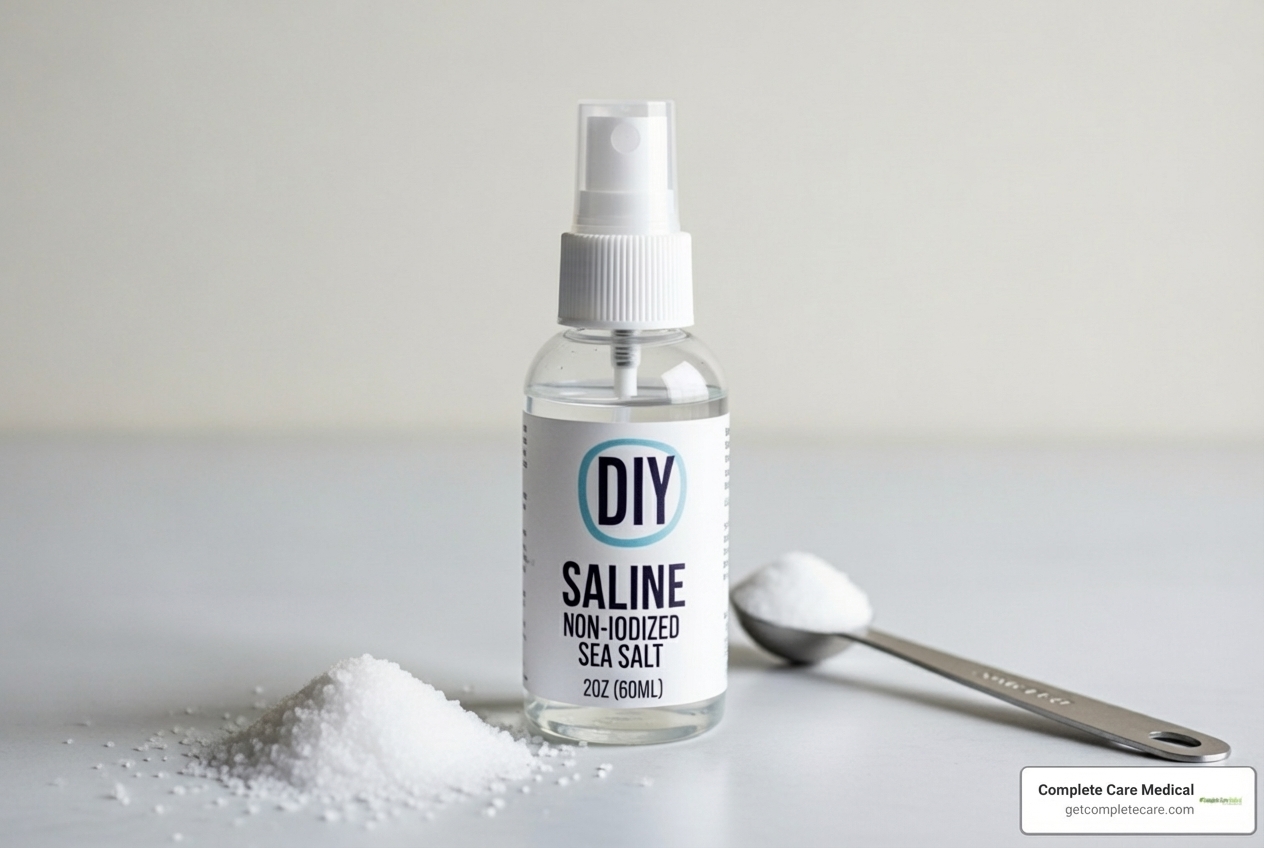
A saline solution for medical purposes is a mixture of sterile water and sodium chloride, commonly known as normal saline when prepared at a 0.9% concentration. This means the solution contains 0.9 grams of sodium chloride per 100 mL of water, closely matching the salt concentration of the human body.
Quick Formula for 0.9% Normal Saline:
- Mix 9 grams of sodium chloride with enough sterile or distilled water to make 1 liter of solution.
- Stir until the salt dissolves completely.
- Use only with clean, appropriate containers and handling.
- Discard homemade saline promptly unless it has been professionally sterilized and packaged.
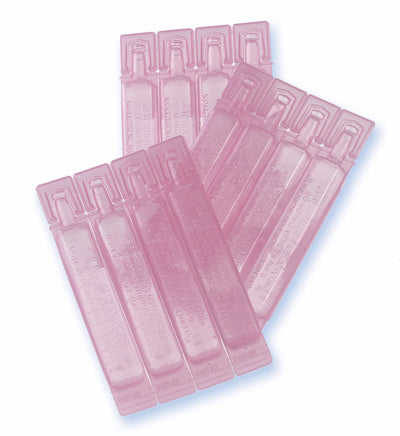
Important: For wound care, irrigation, respiratory treatments, IV use, or any clinical purpose, commercially prepared sterile 0.9% sodium chloride is the safest option. Homemade saline may have the correct salt ratio, but it is not reliably sterile and should never be used for injections, IV therapy, nebulizers, contact lenses, or deep wounds.
Normal saline is widely used in healthcare because it is gentle, isotonic, and compatible with body tissues. It may be used for certain forms of external cleansing or rinsing when directed by a healthcare professional, but the exact use matters. A solution that is not sterile can introduce bacteria, and a solution with the wrong concentration can irritate tissue.
This guide explains what 0.9% sodium chloride is, how it is measured, and when sterile medical-grade saline is the better choice.
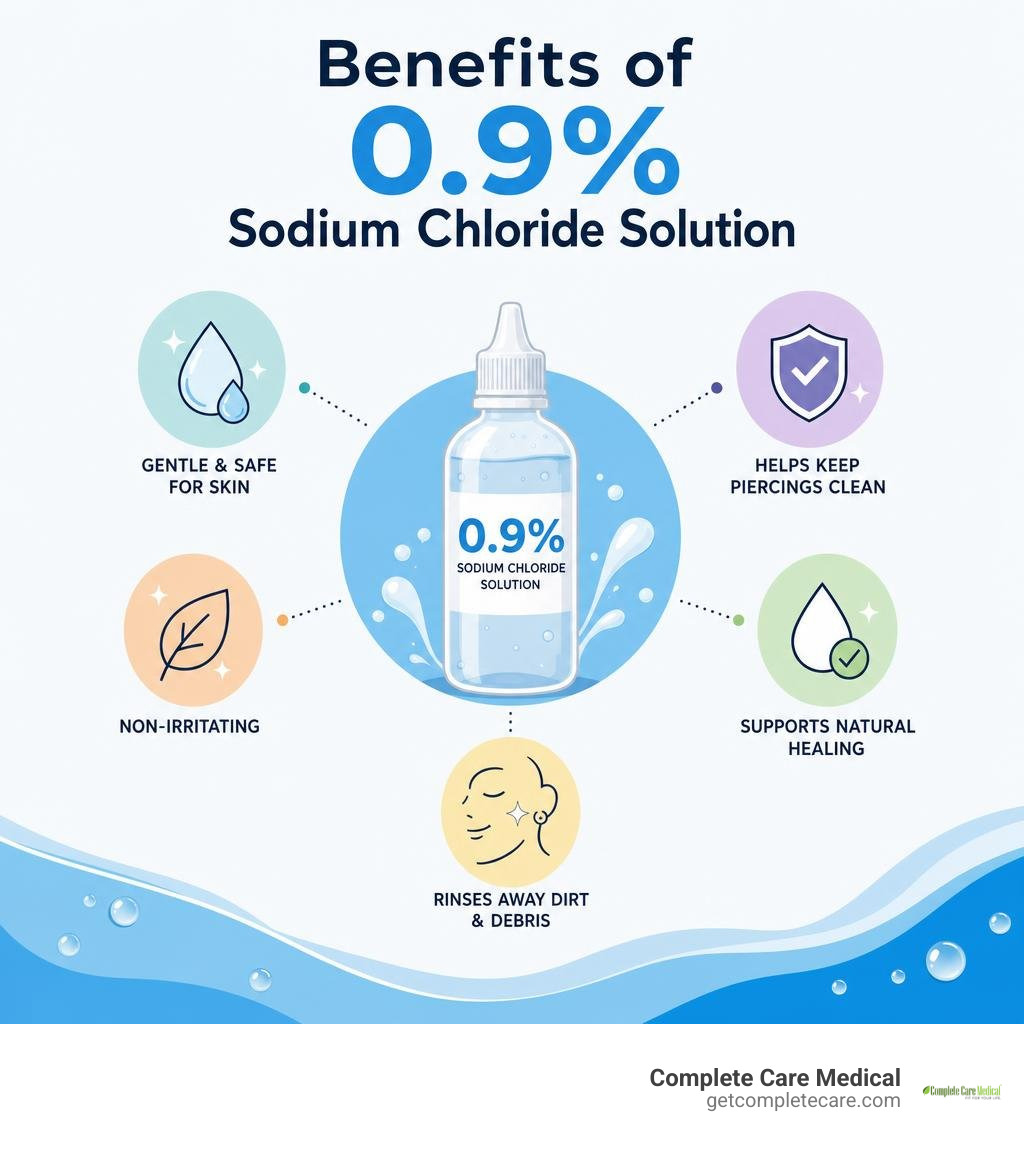
How to Make a 0.9% Sodium Chloride Solution
Making a 0.9% sodium chloride solution is a matter of measuring salt and water accurately. However, it is important to separate the concentration from sterility: you can measure a 0.9% solution at home, but that does not make it medically sterile.
Ingredients and Tools
Use clean, simple materials and avoid additives that could irritate tissue or contaminate the solution.
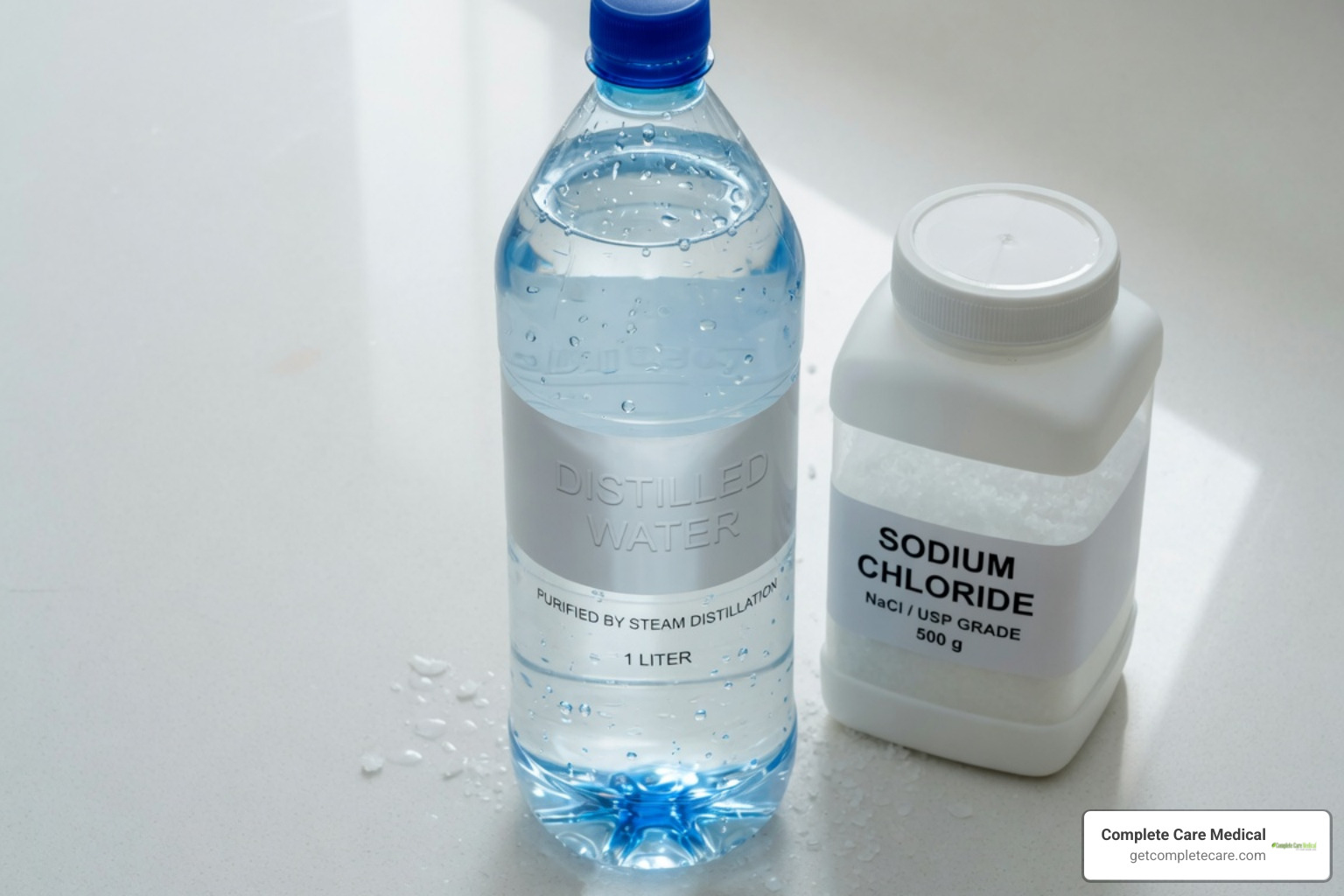
You'll need:
- Water: Use sterile water if available. Distilled water is preferred for non-clinical preparation, but it still does not make the finished solution sterile once opened and handled.
- Sodium chloride: Use plain sodium chloride without iodine, fragrances, anti-caking agents, or added minerals.
- Measuring tools: A digital gram scale is best. Measuring by spoon is less accurate and not recommended when the goal is a true 0.9% solution.
- Container: Use a clean, airtight glass or medical-grade container.
- Sterilization supplies: Wash your hands and clean all tools before use. If boiling equipment, allow it to cool on a clean surface before handling.
Standard 0.9% Normal Saline Recipe
The standard concentration is 0.9% sodium chloride, which equals 9 grams of sodium chloride per 1 liter of final solution.
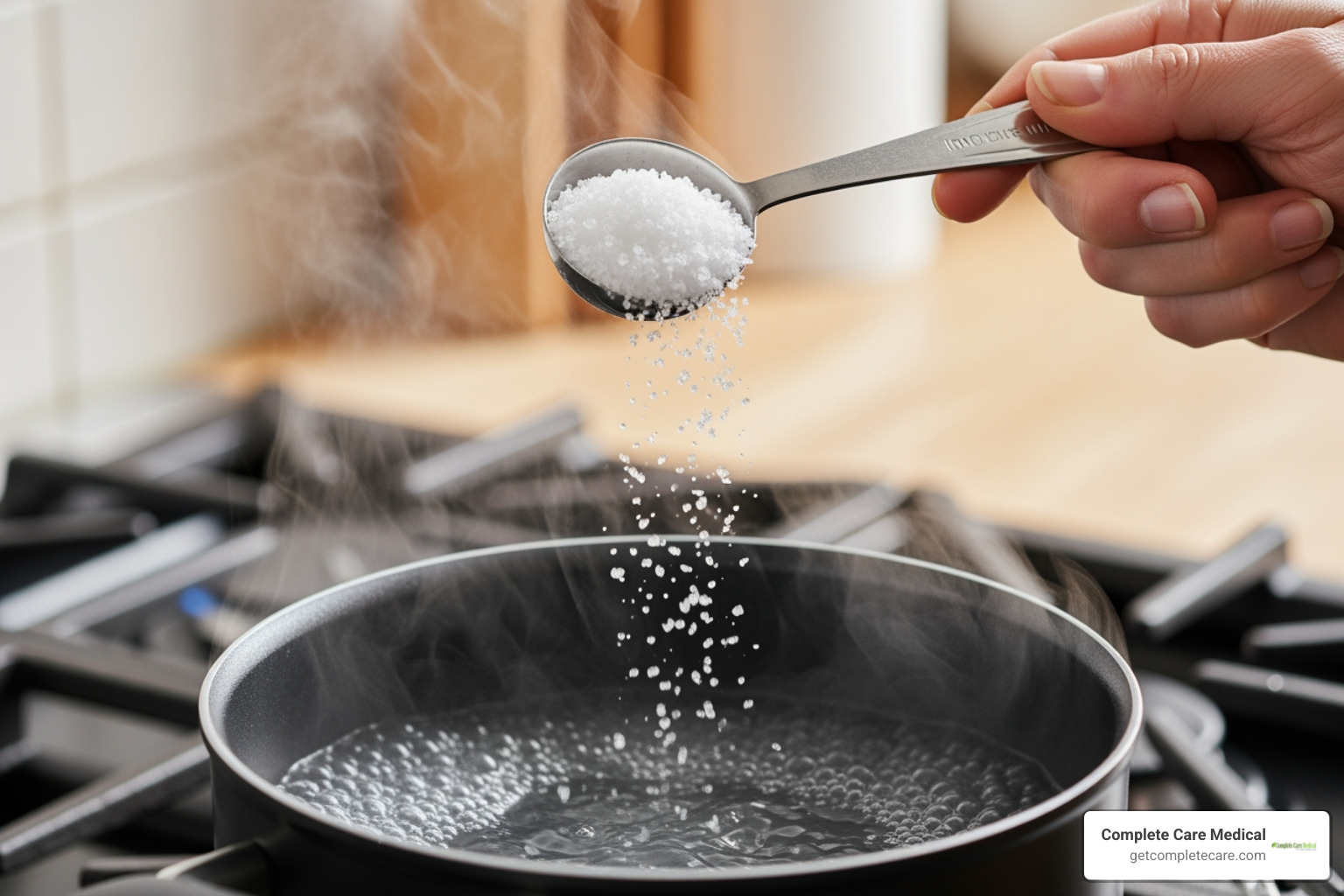
For 1 liter:
- Add 9 grams sodium chloride.
- Add sterile or distilled water until the total final volume equals 1 liter.
For 500 mL:
- Add 4.5 grams sodium chloride.
- Add sterile or distilled water until the total final volume equals 500 mL.
For 250 mL:
- Add 2.25 grams sodium chloride.
- Add sterile or distilled water until the total final volume equals 250 mL.
Basic Preparation Method:
- Wash your hands thoroughly and clean the work surface.
- Measure the sodium chloride using a gram scale.
- Add the sodium chloride to a clean container.
- Add most of the water and stir until fully dissolved.
- Add enough water to reach the final target volume.
- Label the container with the concentration and preparation date.
Handling and Storage Best Practices
Correct storage helps reduce contamination risk, but it does not turn homemade saline into sterile medical saline.
Safe Handling:
- Do not touch the inside of the container, lid, or any surface that will contact the solution.
- Pour out what you need instead of dipping gauze, syringes, or tools into the storage container.
- Keep the container sealed when not in use.
- Discard the solution if it becomes cloudy, develops particles, changes color, or smells unusual.
Storage Guidance:
- Best practice: Use commercially prepared sterile saline whenever sterility matters.
- Homemade solution: Prepare only small amounts and discard within 24 hours.
- Refrigeration: Refrigeration may slow bacterial growth, but it does not guarantee sterility.
- Do not use homemade saline for: IV administration, injections, nebulizers, contact lenses, eye use, catheter flushing, surgical wounds, deep wounds, or any use that requires a sterile product.
Medical Uses, Safety Limits, and When to Use Sterile Saline
A 0.9% sodium chloride solution is common in healthcare, but not every saline solution is appropriate for every medical use. The safest choice depends on whether the solution must be sterile, preserved, single-use, or packaged for a specific route of use.
Common Uses of 0.9% Sodium Chloride
Commercial sterile normal saline may be used in healthcare settings for purposes such as:
- Wound irrigation: Rinsing debris from certain wounds when directed by a clinician.
- Nasal rinsing: Moisturizing or rinsing nasal passages with an appropriate saline product.
- Medical equipment rinsing: Using sterile saline when a device or procedure specifically requires it.
- IV fluids: Administered only by trained healthcare professionals using sterile, regulated products.
- Respiratory treatments: Used only when prescribed and packaged for nebulizer or respiratory use.
Homemade saline may be suitable only for limited external rinsing when a healthcare professional says it is appropriate. It should not be treated as a substitute for sterile medical-grade saline.
Risks of Homemade Saline
Homemade saline has two main safety concerns:
- Wrong concentration: Too much sodium chloride can dry or irritate tissue, while too little can sting or be ineffective for the intended use.
- Contamination: A clean kitchen is not the same as a sterile manufacturing environment. Bacteria can enter through water, containers, utensils, hands, or air.
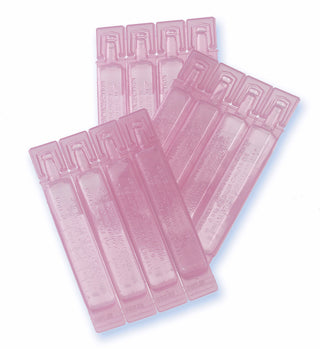
For these reasons, healthcare providers typically recommend commercially prepared sterile 0.9% sodium chloride for medical use. Check the label for the intended use, concentration, expiration date, and whether the product is single-use or multi-use.
When to Contact a Healthcare Professional
Contact a healthcare professional before using saline if the solution will touch broken skin, eyes, surgical sites, catheters, respiratory equipment, or any internal tissue. Seek medical care promptly for signs of infection or complications, including:
- Increasing redness, warmth, swelling, or pain
- Thick yellow, green, or foul-smelling drainage
- Fever, chills, or red streaking from the area
- A wound that is deep, worsening, or not healing
- Any reaction after using a homemade or unknown solution
Normal Saline Questions Answered
Is 0.9% sodium chloride the same as normal saline? Yes. Normal saline usually refers to a 0.9% sodium chloride solution in water.
Can I make sterile saline at home? You can make a salt-and-water solution with the right concentration, but you cannot reliably make, package, and maintain truly sterile medical saline at home.
Can homemade saline be used for IV fluids or injections? No. IV fluids, injections, catheter flushing, and similar uses require sterile, regulated medical products and trained clinical handling.
What should I buy if I need medical saline? Look for commercially prepared sterile 0.9% sodium chloride labeled for your intended use, such as wound wash, irrigation saline, or another product recommended by your healthcare provider.