






 800.503.7604
Why First Aid Kits Are Essential for Every Home and Adventure

First aid kits are vital for managing injuries and preventing them from becoming serious emergencies. Having the right supplies on hand allows for a quick response to accidents at home, on the road, or outdoors.
Quick Answer: What Makes a Good First Aid Kit?
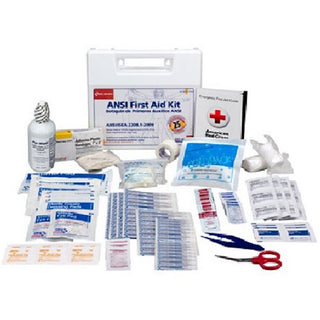
A well-stocked first aid kit should include:
- Wound care basics: Adhesive bandages, sterile gauze pads, adhesive tape
- Antiseptics: Antiseptic wipes, antibiotic ointment
- Medications: Pain relievers (aspirin, ibuprofen), hydrocortisone cream
- Tools: Tweezers, scissors, non-latex gloves, thermometer
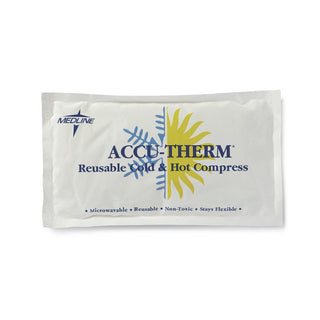
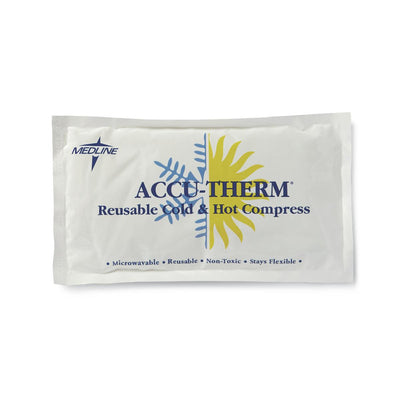
- Emergency items: Emergency blanket, breathing barrier, instant cold compress
- Reference materials: First aid instruction guide
The right kit depends on your specific needs, such as family size, planned activities, and potential risks. The ideal kit isn't one-size-fits-all; a home kit will differ from one for a backpacking trip or a worksite.
Recognized as one of the Ten Essentials for outdoor safety, a first aid kit is just as critical in your home, car, and workplace. It allows you to treat minor cuts and scrapes, stop bleeding, prevent infection, or stabilize an injury until professional help arrives.
This guide will help you choose, build, and maintain the right first aid kit for your needs.
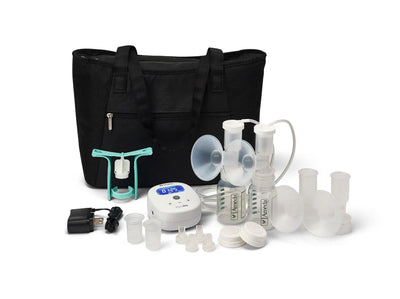
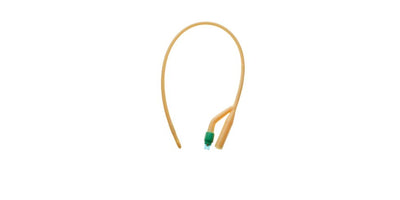
At Complete Care Medical, we've spent over 30 years helping people access essential healthcare supplies. While our company specializes in urological catheters, diabetic supplies, and breast pumps, we know that having the right first aid kits and emergency supplies is foundational to any family's health preparedness.
Choosing the Right First Aid Kits for Your Needs
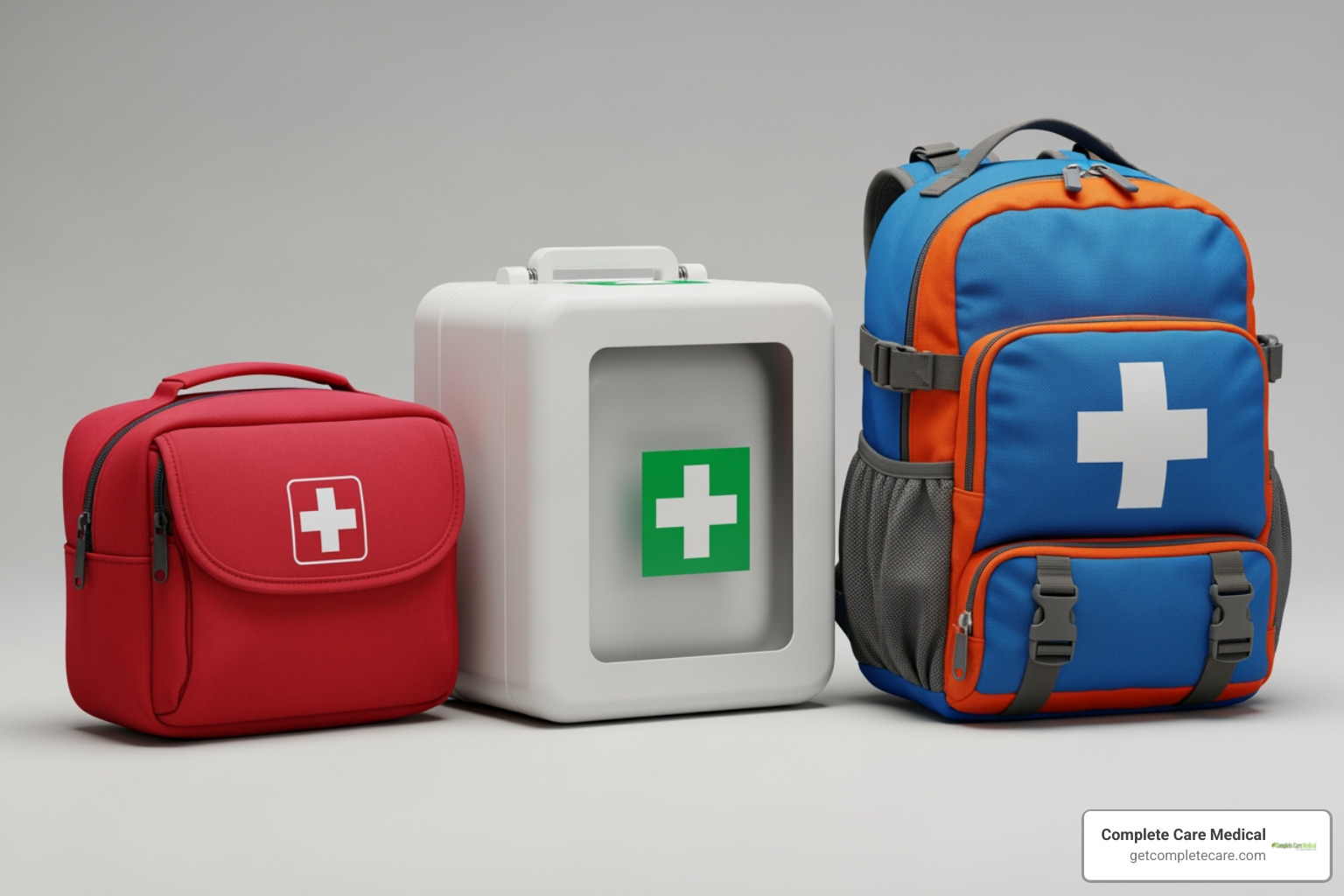
Selecting the right first aid kit requires assessing your group size, activities, and potential risks. A kit for a family vacation will differ from one for a solo hiking trip.
What Are the Essential Components of a First Aid Kit?
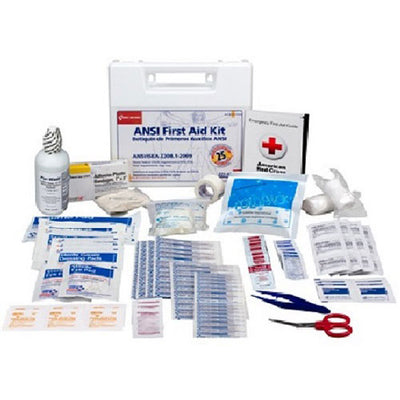
Whether you buy a premade kit or build your own, the American Red Cross recommends including these core items:
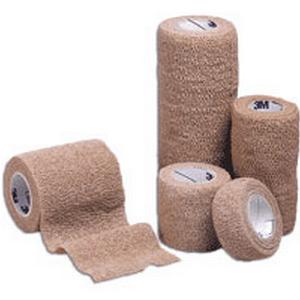
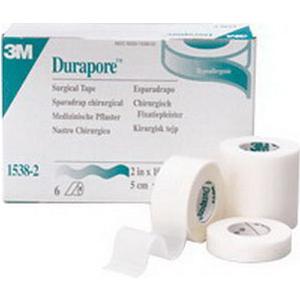
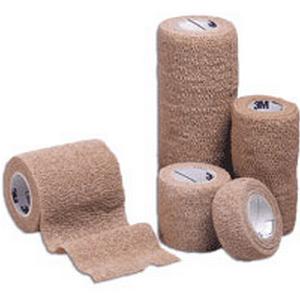
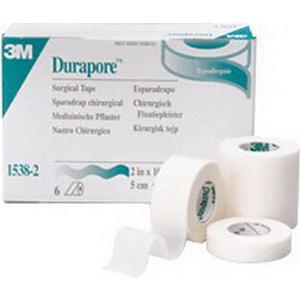
- Wound Care: Assorted adhesive bandages, sterile gauze pads, absorbent compress dressings, adhesive cloth tape, and roller or triangular bandages.
- Antiseptics & Ointments: Antiseptic wipes, antibiotic ointment, and hydrocortisone ointment packets.
- Medications: Pain relievers (e.g., ibuprofen, acetaminophen) and low-dose aspirin for cardiac emergencies.
- Tools & Miscellaneous: Tweezers, scissors, non-latex gloves, an emergency blanket, a breathing barrier for CPR, an instant cold compress, a thermometer, and a first-aid guide.
This list is a strong foundation, but customization is key.
Premade vs. DIY First Aid Kits: Which Is Better?
The choice between a premade and a DIY first aid kit is about convenience versus customization.
| Feature | Premade First Aid Kits | DIY First Aid Kits |
|---|---|---|
| Pros | - Time-saving - Often comprehensive - Can be cost-effective - Professionally organized |
- Highly customizable - Activity-specific - Allows for prescription medications - Control over quality and brands |
| Cons | - May lack personal items - Component quality can vary - May contain unneeded items - Less adaptable |
- Time-consuming to assemble - Risk of forgetting supplies - May not be as cost-effective - Requires knowledge of essentials |
Often, the best solution is to start with a premade kit and add personal items to create a customized, effective first aid kit.
Types of Specialized First Aid Kits
Different environments call for specialized first aid kits.
Home Kits: Should be comprehensive. Customize with items for children, elderly members, and personal medications for conditions like severe allergies or diabetes.
Car Kits: Keep them compact and durable for roadside incidents. Include basics plus an emergency blanket and flashlight.
Workplace Kits: Must meet regulatory standards (e.g., OSHA/ANSI) and address industry-specific risks.
-
Outdoor & Travel Kits: Prioritize portability and waterproofing.
- Wilderness Kits: Add supplies for blisters, sprains, insect bites, and water purification tablets.
- Marine Kits: Must be waterproof and include supplies for seasickness and marine-specific injuries.
- Travel Kits: Should be compact for common travel ailments and minor injuries.
Consider the specific risks of your environment to best tailor your kit.
Beyond the Box: Maintenance, Training, and Sourcing Supplies
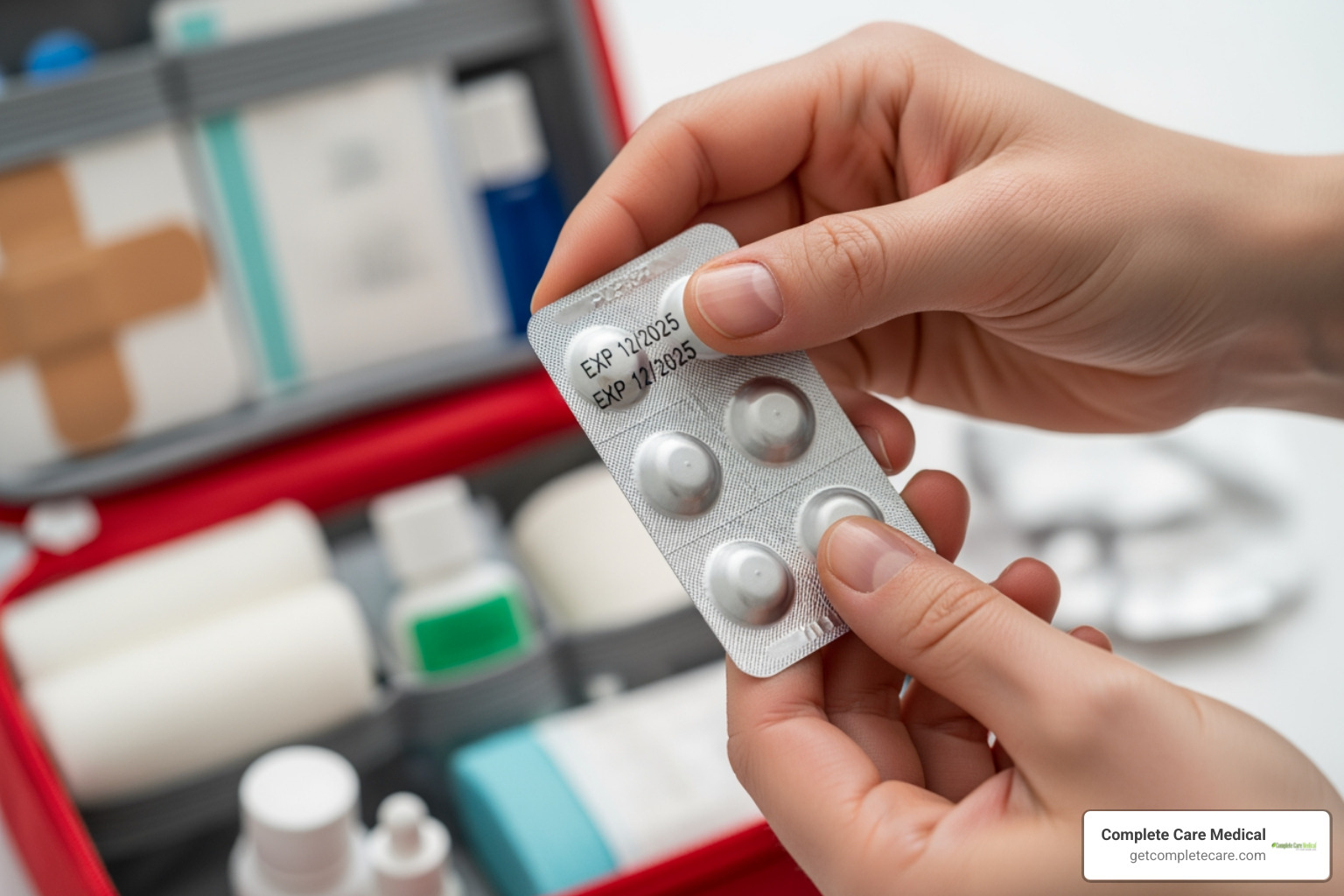
A first aid kit is only effective if it's well-maintained and you know how to use it. Proper maintenance and training are just as important as the supplies themselves.
How to Maintain and Replenish Your Kit
Regular maintenance ensures your kit is ready for an emergency. An unstocked or expired kit is useless.
- Regular Checks: Check your kit at least twice a year and before any major trip.
- Check Expiration Dates: Replace any medications or sterile supplies that are expired or close to expiring.
- Replace Used Supplies: Immediately restock any items you use to keep the kit complete.
- Store Properly: Keep your kit in a cool, dry, and easily accessible place. Make sure everyone knows where it is.
Why First Aid Skills Are Crucial
Knowing how to use your kit's contents is crucial for providing effective care until professional help arrives. Formal training helps you use supplies correctly and act confidently.
Key skills can make a profound difference:
- Hands-only CPR
- How to Control Bleeding
- Automated External Defibrillator (AED) Operation
- Seizure First Aid
Training from programs like You Are The Help Until Help Arrives is invaluable. It empowers you to act as an immediate responder, which is critical since family and friends are often first on the scene.
Finding Quality Supplies and Other Safety Essentials
Acquiring high-quality supplies is the final step. Reliable sources for kits and supplies include pharmacies, medical supply companies, and reputable online stores.
Beyond the kit, consider adding these items for greater preparedness, especially for outdoor or travel use:
- Emergency Whistle
- Sunscreen
- Insect Repellent
- Hand Sanitizer
- Personal Locator Beacon (PLB) or Satellite Messenger
Being prepared with the right first aid kit and the confidence to use it is one of the simplest ways to protect yourself and your loved ones. Whether you personalize a premade setup or build a custom kit from scratch, taking time to check expiration dates and practice basic first aid skills ensures you are ready when it counts. At Complete Care Medical, we are dedicated to supporting your family’s health and peace of mind, helping you stay safe at home, on the road, and wherever life takes you.