










 800.503.7604
Understanding Painful Burning Urination: What Your Body Is Telling You
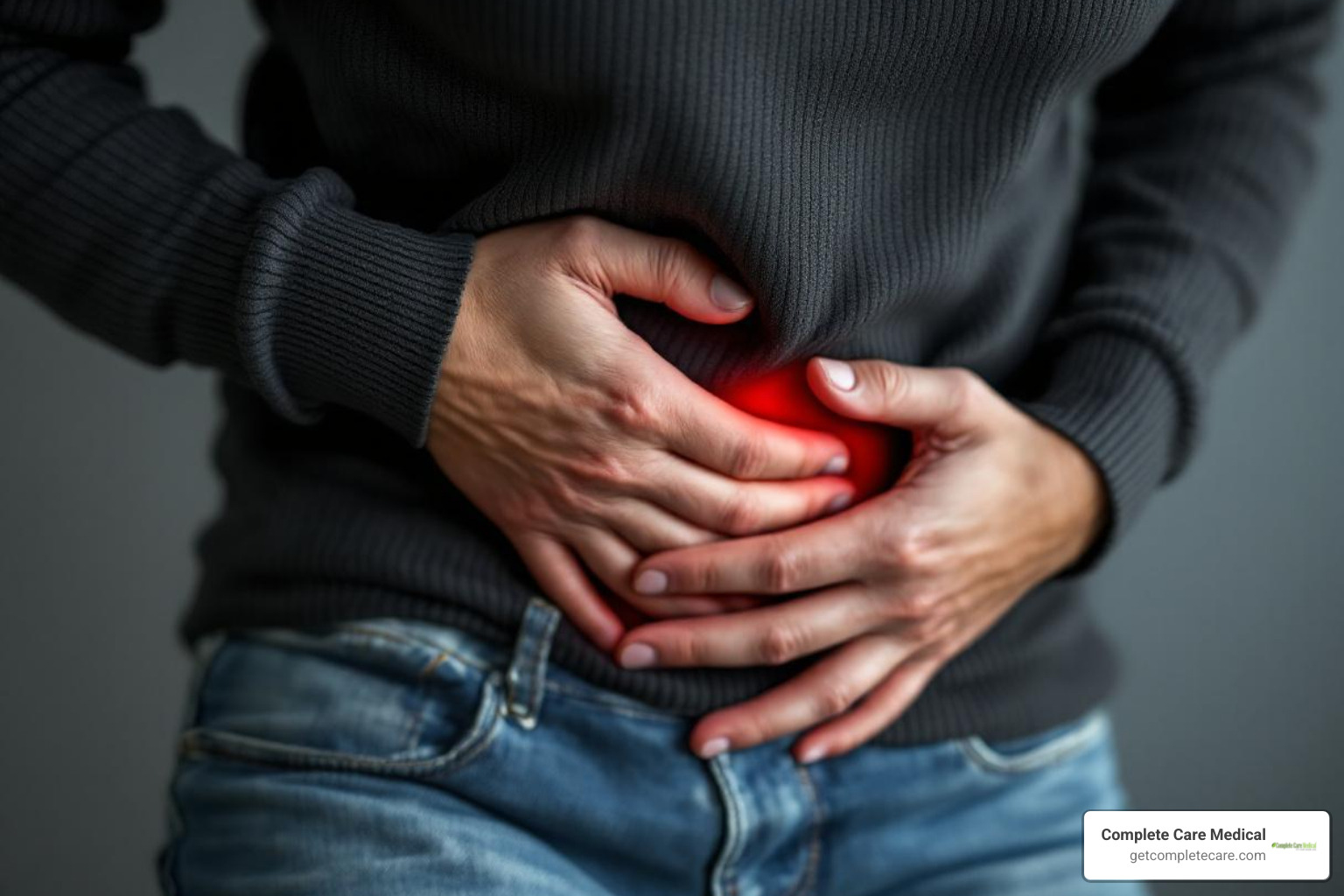
Painful burning urination is a common, uncomfortable symptom. Here's what you need to know:
Quick Facts About Painful Burning Urination:
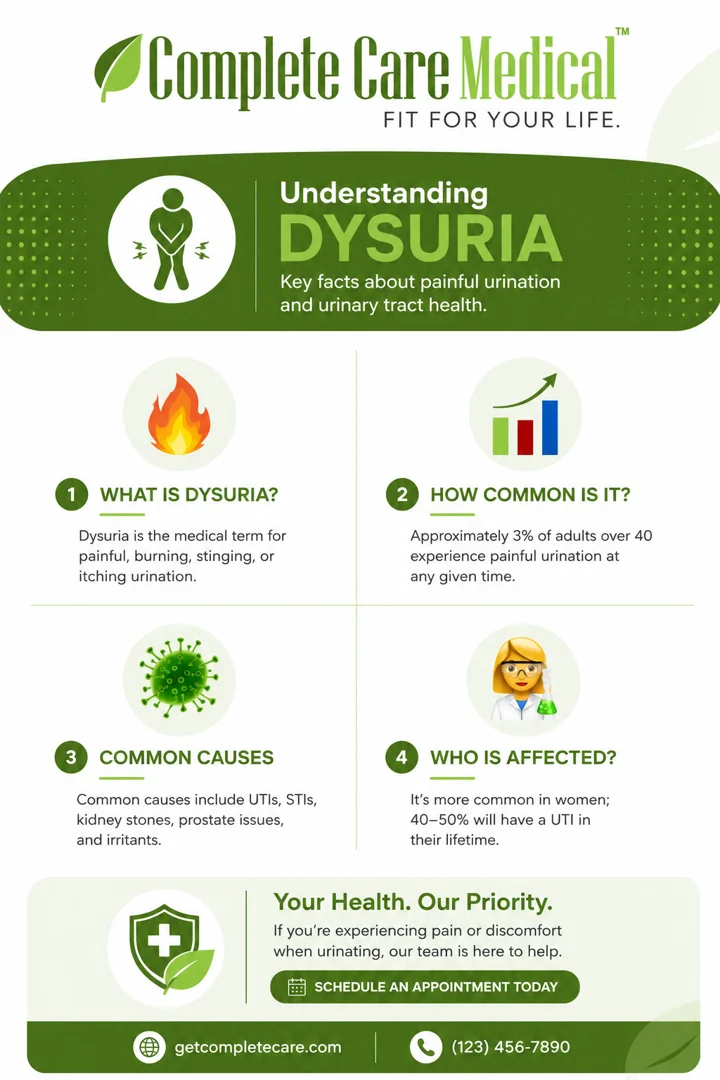
- What it is: Pain, burning, stinging, or itching when you urinate (medically called dysuria).
- How common: Affects approximately 3% of adults over 40 at any given time.
- Main causes: Urinary tract infections (UTIs), sexually transmitted infections, kidney stones, prostate problems, and irritation from products.
- Who's affected: More common in women, but men experience it too.
- When to worry: If you have a fever, blood in your urine, back pain, or severe symptoms.
That sudden, sharp burn is your body's signal that something is wrong. The sensation can range from mild to intense, and its timing can give clues about the cause.
Fortunately, most causes are treatable once diagnosed. Understanding the cause is the first step to relief.
Understanding the Causes and Symptoms of Painful Burning Urination
The timing and location of pain offer clues to its origin. Pain at the start of urination suggests a UTI, while pain at the end may point to a bladder or prostate issue. For women, internal pain often means a UTI, while external pain can be from skin irritation.
Common Causes in Women
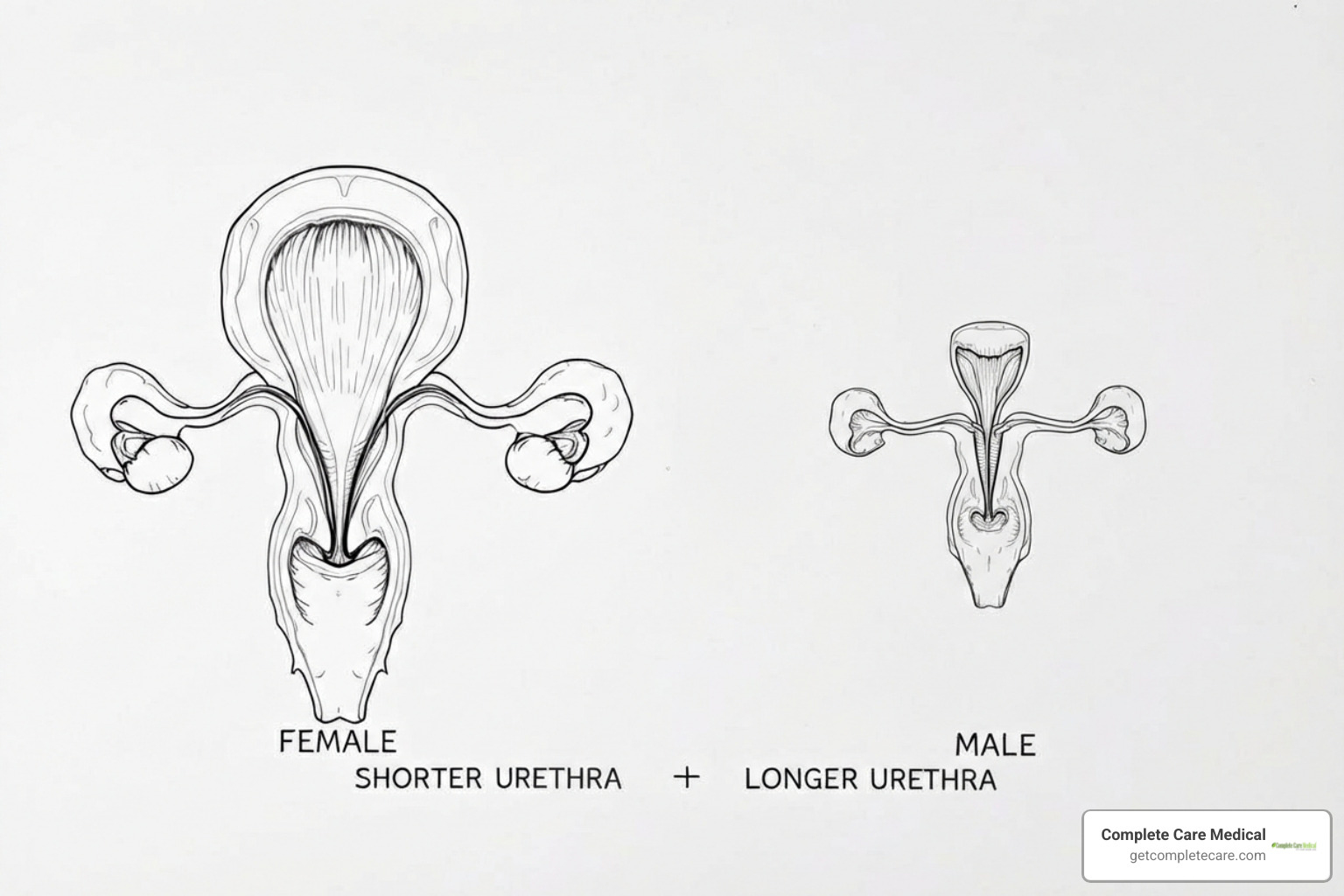
Women are more susceptible to UTIs because their shorter urethra allows bacteria to reach the bladder more easily. A woman's lifetime UTI risk is over 40%.
Common causes include:
- Urinary Tract Infections (UTIs): The most common cause. Bacteria enter the urinary tract, causing burning, urgency, and cloudy urine. Cystitis (a bladder infection) is a common UTI.
- Vaginitis: Inflammation of the vagina causing external pain when urinating. Includes yeast infections, bacterial vaginosis, and trichomoniasis.
- Pregnancy: Hormonal changes and uterine pressure increase UTI risk. Painful urination during pregnancy requires prompt medical evaluation.
- Interstitial Cystitis (IC): A chronic condition (painful bladder syndrome) causing bladder pressure, pain, and frequent urination without an infection.
- Atrophic Vaginitis (Menopause): Low estrogen after menopause can thin vaginal and urethral tissues, causing dryness and painful urination.
- Irritants: Chemicals in soaps, bubble baths, douches, or scented products can irritate the urethra and cause external burning.
- Vaginal Trauma: Minor tears from sexual activity, shaving, or childbirth can cause pain when urine touches the skin. For support after an assault, contact the National Sexual Assault (RAINN) Hotline.
Common Causes in Men
In men, painful urination can stem from several causes:
- Urethritis: Urethral inflammation, often from STIs, causing burning, itching, and penile discharge.
- Prostatitis: Prostate inflammation or infection causing painful urination, groin pain, and difficulty urinating.
- Benign Prostatic Hyperplasia (BPH): A non-cancerous enlarged prostate, common in older men, which can obstruct urine flow and cause painful urination.
- Kidney or Bladder Stones: Hard mineral deposits that form in the kidneys or bladder, causing severe pain, blood in the urine, and painful urination as they pass.
- Urethral Stricture: A narrowing of the urethra from scarring, leading to a weak urine stream and painful urination.
- Sexually Transmitted Infections (STIs): Infections like chlamydia, gonorrhea, and genital herpes are common causes of urethritis and dysuria in men.
How a Doctor Diagnoses Painful Burning Urination
A healthcare professional will use a systematic approach to identify the cause:
- Medical and Sexual History: Your doctor will ask about symptoms, health conditions, and sexual activity to narrow down causes.
- Physical Exam: May include a pelvic exam for women or checking the penis and prostate for men.
- Urinalysis (Urine Test): A urine sample is checked for signs of infection, such as white/red blood cells and bacteria.
- Urine Culture: If an infection is suspected, this test identifies the bacteria and helps choose the best antibiotic.
- Swab Tests: Urethral or vaginal swabs are used to test for STIs like chlamydia and gonorrhea.
- Imaging: Ultrasounds or CT scans can check for stones or other structural issues.
- Cystoscopy: In chronic cases, a thin tube with a camera (cystoscope) is used to examine the urethra and bladder.
For more detailed information on the evaluation of dysuria, you can refer to relevant scientific research on dysuria evaluation.
Finding Relief: Treatment, Prevention, and When to See a Doctor
With an accurate diagnosis, relief from painful urination is often within reach. This guide offers actionable steps for management and prevention.
Treatment Options for Relief
Treatment depends on the underlying cause.

- Antibiotics: For bacterial infections like UTIs or prostatitis, a course of antibiotics is prescribed. It's crucial to complete the full prescription.
- Pain Relievers: Over-the-counter or prescription medications like phenazopyridine can numb the urinary tract to relieve the burning sensation while the infection clears.
- Antifungals: For yeast infections, oral or topical antifungal medications are used.
- Estrogen Creams: For postmenopausal women with atrophic vaginitis, topical estrogen can restore tissue health and reduce discomfort.
- Treating Underlying Conditions: Depending on the diagnosis, treatment may involve procedures to break up kidney stones, medications to manage BPH, or a multi-faceted approach for interstitial cystitis (including diet, medication, and physical therapy).
- Home Care: Applying a warm compress or taking a warm bath can provide soothing relief from discomfort.
Lifestyle and Prevention Strategies
Adopting certain habits can significantly reduce your risk of recurrence.
- Stay Hydrated: Drinking plenty of water (aim for 2 liters daily) helps flush bacteria from your urinary tract.
- Practice Proper Hygiene: For women, wiping from front to back prevents bacteria from spreading to the urethra.
- Urinate After Intercourse: This helps flush out any bacteria that may have entered the urethra during sex.
- Avoid Irritants: Use mild, unscented soaps and avoid bubble baths, douches, and scented hygiene products that can irritate the urethra.
- Practice Safe Sex: Using condoms reduces the risk of STIs that cause painful urination. Regular screening is also important.
- Consider Dietary Changes: If you have a sensitive bladder, avoiding irritants like caffeine, alcohol, spicy foods, and acidic fruits may help reduce symptoms.
When to Seek Medical Attention
While many cases are easily treated, you should seek medical advice promptly to avoid complications. Contact a healthcare professional if you experience:
- Severe or persistent pain
- Fever or chills
- Back or side (flank) pain
- Blood in your urine
- Foul-smelling or cloudy urine
- Unusual discharge from the penis or vagina
- Any painful urination during pregnancy
Prompt diagnosis is key for relief and preventing complications. We are committed to providing resources to help you manage your health. For more tips on bladder health, visit our blog: More info about urological health and coping strategies.