








 800.503.7604
What You Need to Know About Urological Catheters
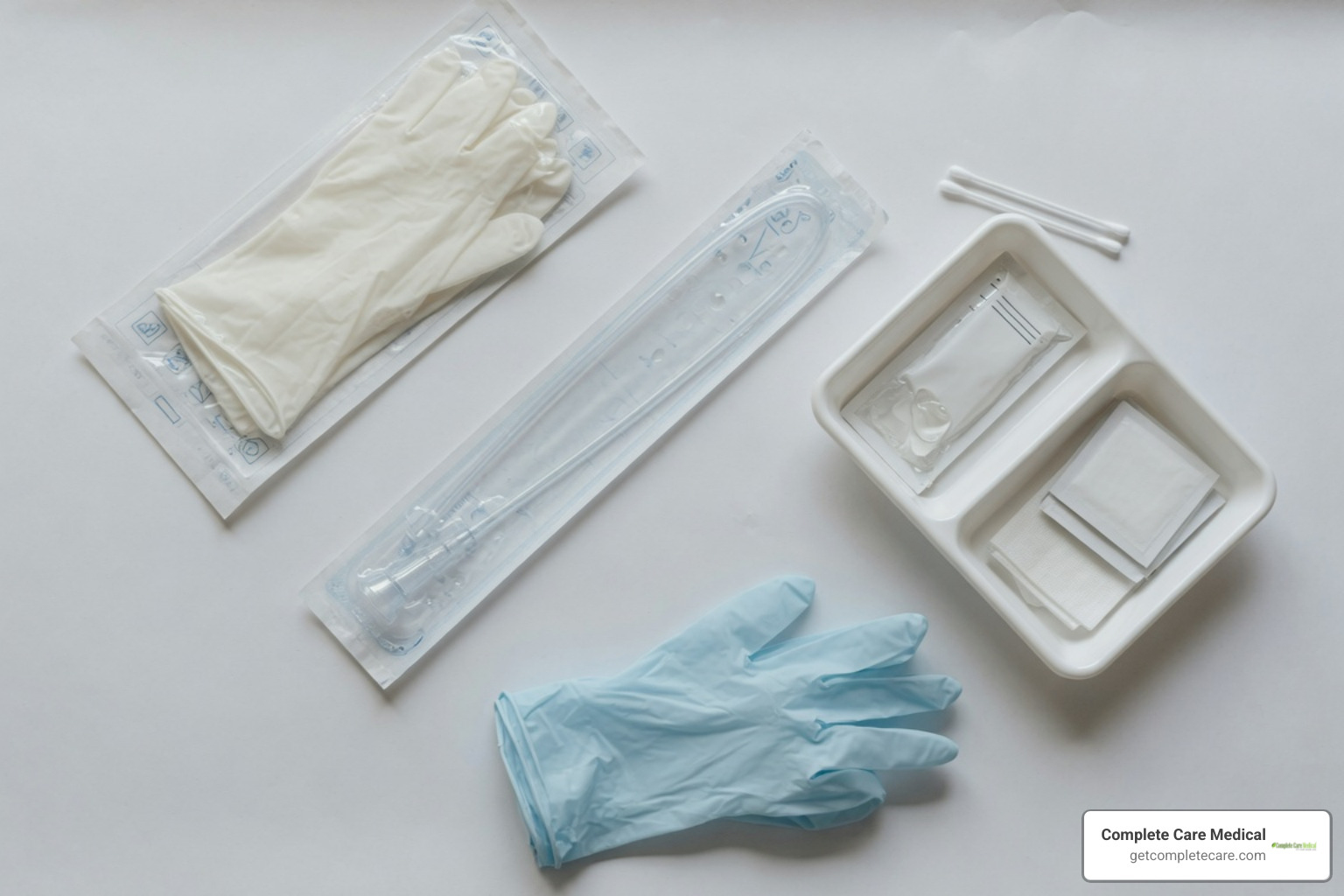
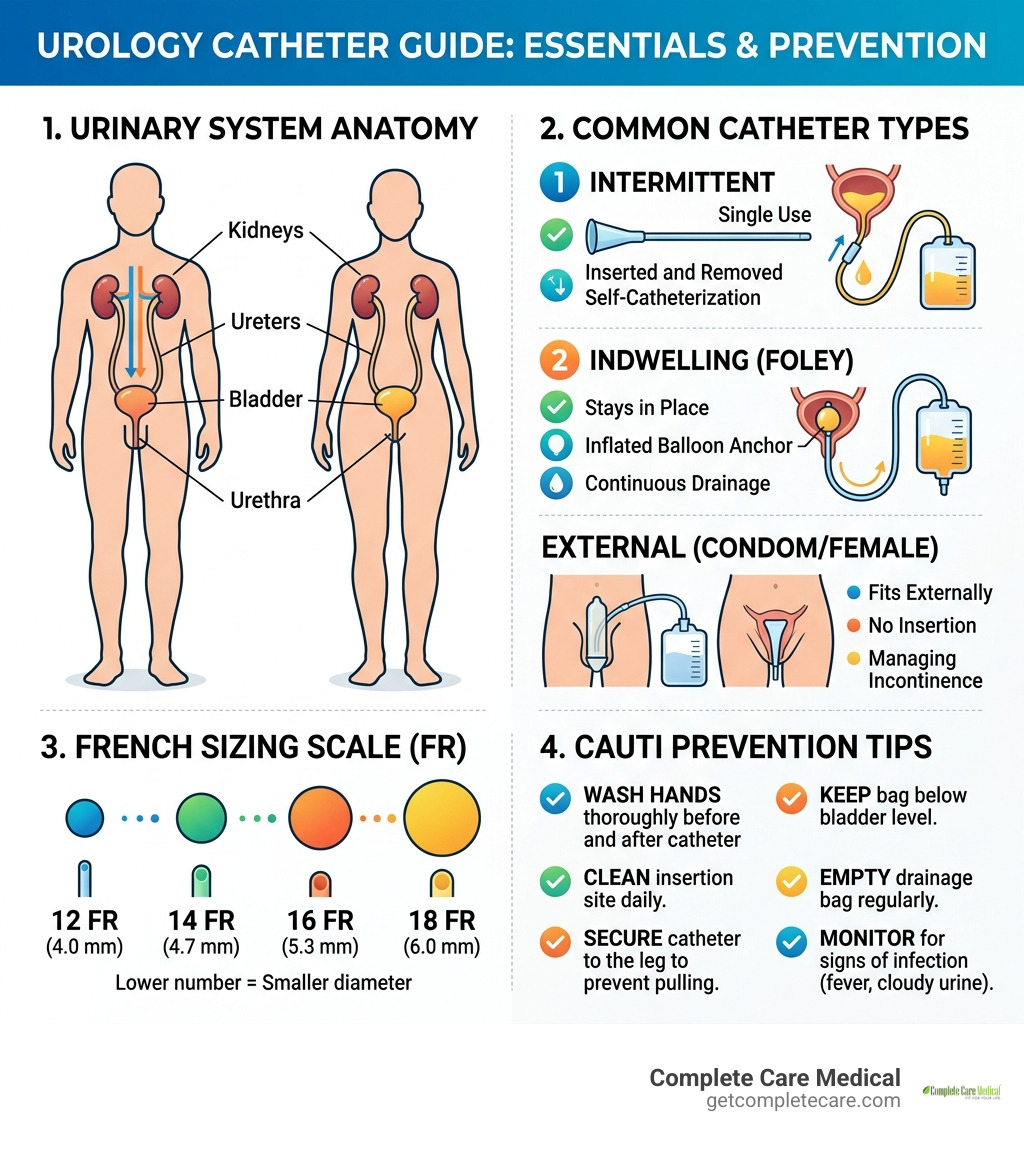
A urology catheter guide covers the essential tools and techniques used to drain urine from the bladder when the body cannot. Understanding these types is essential for safety and health.
| Catheter Type | How It Works | Best For |
|---|---|---|
| Intermittent | Inserted and removed each use | Daily self-catheterization |
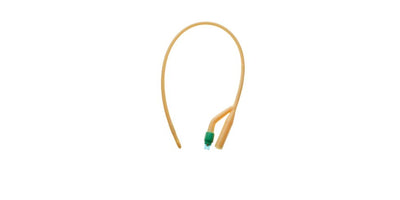
| Indwelling (Foley) | Stays in place via inflated balloon | Ongoing drainage needs |
| External (Condom) | Fits over penis | Managing incontinence for men |
One in four adult hospital inpatients will use an indwelling catheter. However, 75-80% of complicated urinary tract infections (CAUTIs) are linked to these devices, accounting for over 560,000 infections annually in the U.S. Most are preventable with the right knowledge.
With over 20 years of experience in healthcare, Complete Care Medical is dedicated to helping patients access the urological supplies they need to maintain safety, dignity, and overall health.
Urology catheter guide helpful reading:
- What to Expect When You First Start Using a Catheter at Home
- buy urinary catheters online
- catheter and urological supplies
Common Catheter Types and Best Practices
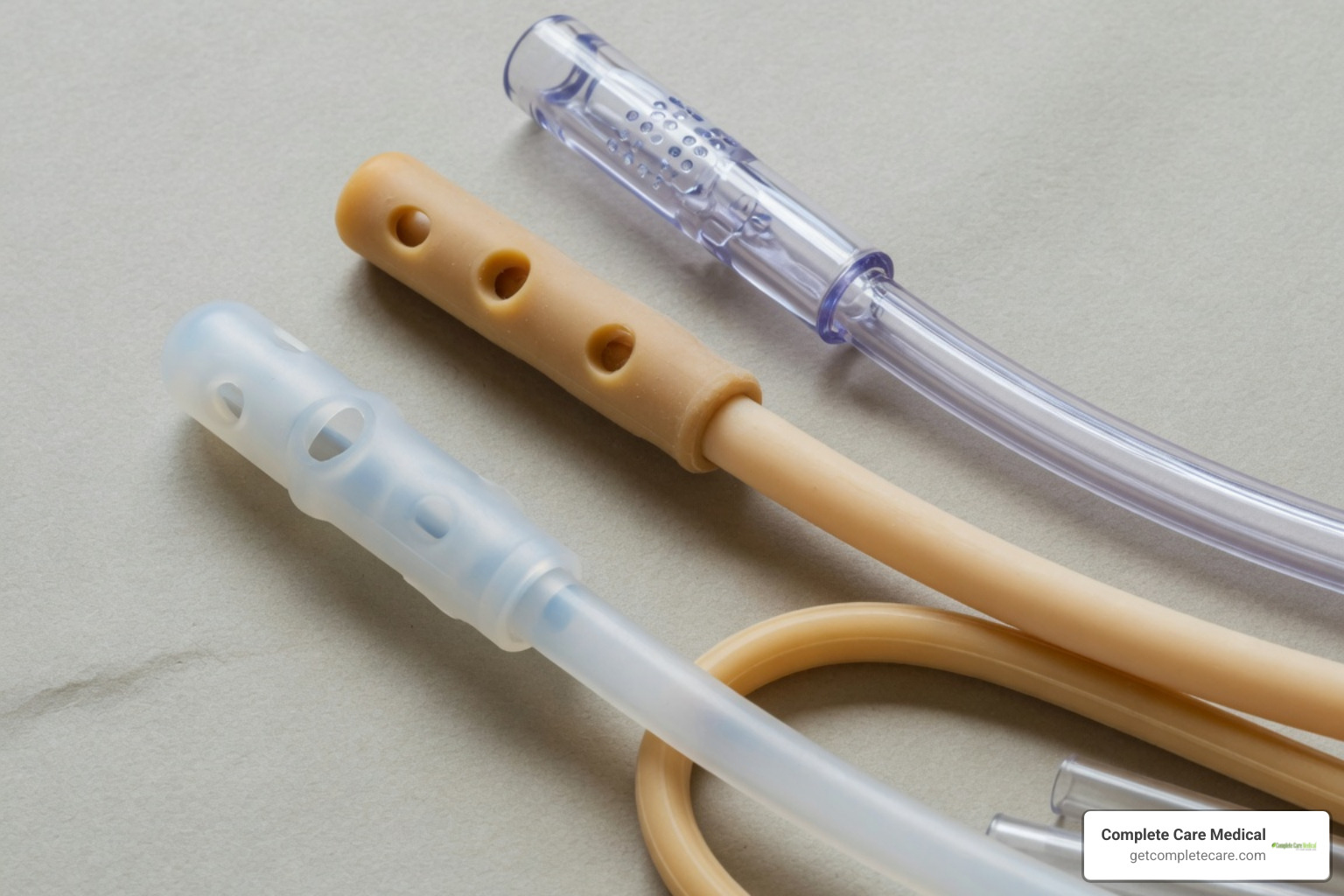
Most users interact with catheters daily at home. Key factors include the French (Fr) scale, which measures diameter (1 Fr = 0.33 mm). Most adults use sizes between 12 Fr and 16 Fr. Materials include PVC (firm), Latex (soft but potentially allergenic), and Silicone (100% latex-free and biocompatible).
Intermittent and Indwelling Options
Intermittent Catheters are for "in and out" use, featuring Straight or Coudé (curved) tips. Indwelling (Foley) Catheters stay in the bladder for up to 30 days, held by an inflated balloon. Learn more in our guide on everything you need to know about urinary catheters.
Reducing Risks and Preventing CAUTIs
Up to 70% of Catheter-Associated Urinary Tract Infections (CAUTIs) are preventable. Best practices include:
- Wash hands thoroughly before handling supplies.
- Use sterile technique during insertion.
- Stay hydrated to flush the bladder naturally.
- Remove promptly when no longer medically necessary.
- Changing Catheters to lubricated or closed systems have shown to reduce CAUTIs
See our 6 simple steps to prevent CAUTI.
Self-Catheterization Tips
For Men: Use a 16-inch catheter. A Coudé tip and upward angle can help bypass the prostate. See self-catheterization for men.
For Women: Use a 6-8 inch catheter and a mirror to locate the shorter urethra. See self-catheterization for women.
Lubrication is vital; hydrophilic catheters offer a built-in coating for smoother, safer insertion.
Conclusion: Navigating Your Urological Health
Whether you’re looking for a clinical urology catheter guide or reliable home supplies, having the right information is the first step toward improving quality of life. Complete Care Medical simplifies the process by handling insurance billing, helping patients access high-quality products with little to no out-of-pocket cost. Based in Houston, the team provides personalized support to help each individual find the right catheter, urological supplies, and solutions tailored to their unique needs. With a commitment to comfort, dignity, and long-term health, Complete Care Medical is here to help protect what matters most.