








 800.503.7604
What You Need to Know About Self Catheter for Women

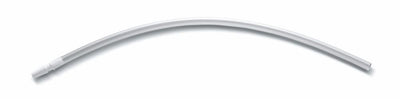
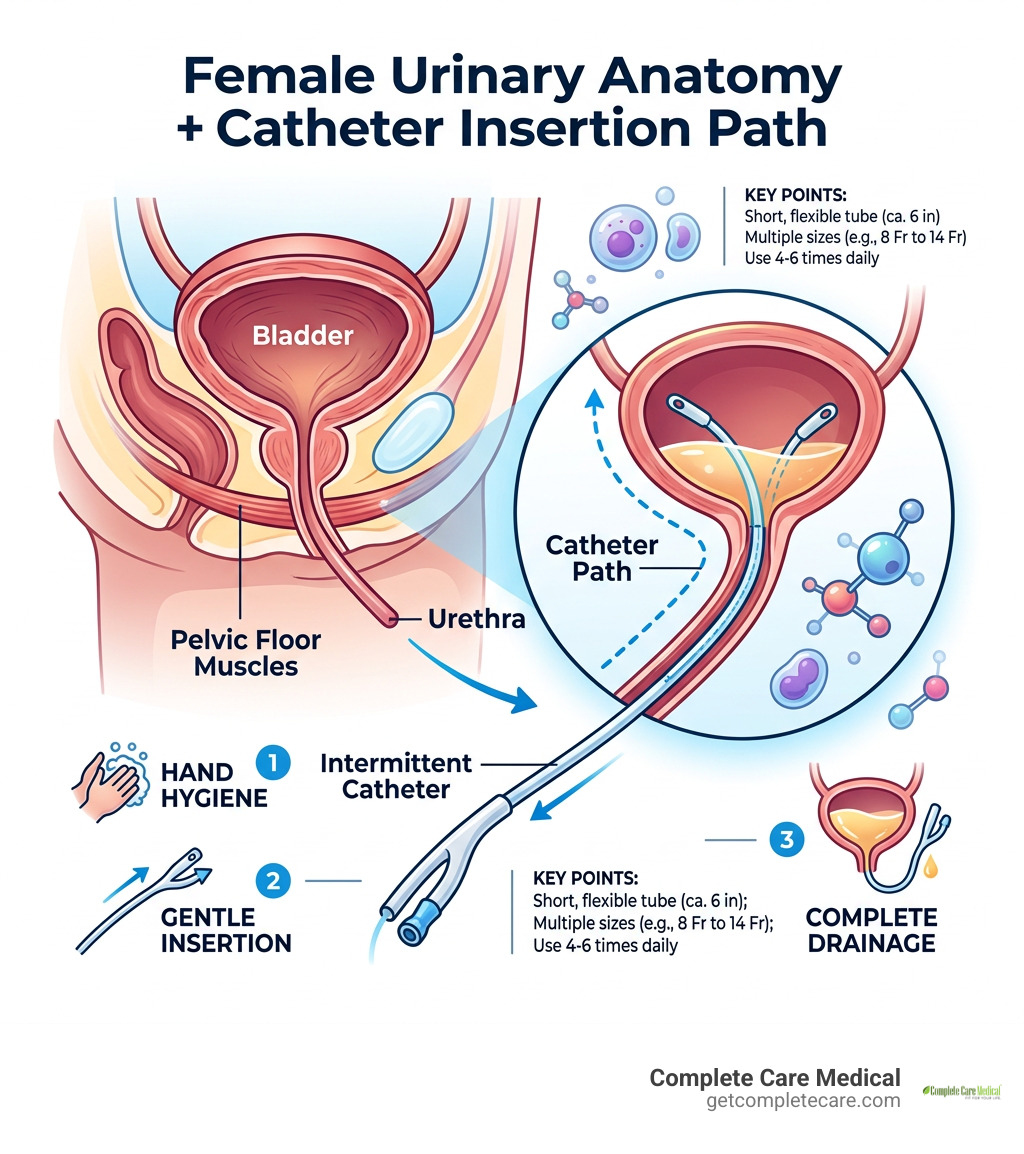
A self catheter for women is a short, flexible tube used to drain urine from the bladder when the body can't do it naturally. It's inserted through the urethra, empties the bladder completely, and is then removed.
Here's a quick overview of what women need to know:
- What it is: A thin, hollow tube (catheter) inserted into the urethra to drain urine
- Who needs it: Women with urinary retention, neurogenic bladder, spinal cord injury, MS, or post-surgical recovery
- How often: Typically 4 to 6 times per day, including morning and before bed
- Types available: Straight tip, hydrophilic (pre-lubricated), and compact discreet designs
- Key sizes: Female catheters are generally 6 inches long, available in 8 Fr to 14 Fr
- Where to get them: By prescription, often covered by insurance
Learning to self-catheterize can feel overwhelming at first. But for millions of women, it becomes a routine part of daily life, one that protects kidney health, prevents leaks, and restores confidence.
With more than 20 years of experience helping women across the U.S., Complete Care Medical provides personalized support to help each patient find the right self catheter for women and navigate insurance coverage with ease. This guide covers everything women need to know to choose the right catheter, understand their options, and get started with greater comfort and confidence.
Choosing and Using a Self Catheter for Women
Taking control of your urinary health is a powerful step toward maintaining your independence. While a doctor's prescription is required to get started, understanding how a self catheter for women works allows you to make informed decisions that best fit your lifestyle and daily routine.
Why Intermittent Catheterization Is Needed
When the bladder cannot empty naturally or leaves behind a significant volume of residual urine after voiding, clean intermittent catheterization (CIC) becomes necessary. Leaving urine in the bladder for too long creates a breeding ground for bacteria, which can lead to painful urinary tract infections (UTIs) or even kidney damage.
There are several common reasons why a healthcare provider might recommend a self catheter for women:
- Urinary Retention: The inability to empty the bladder completely, which can happen after surgery, childbirth, or due to physical obstructions.
- Neurogenic Bladder: Nerve damage that disrupts the signals between the brain and the bladder.
- Neurological Conditions: Conditions like multiple sclerosis (MS) or spinal cord injuries can weaken bladder muscles or disrupt coordination.
On average, catheter users perform intermittent self-catheterization 4 to 6 times a day. Keeping your bladder empty not only prevents leaks and kidney strain but also dramatically improves your daily quality of life. For more detailed clinical guidance, you can read the Scientific research on female catheterization or check out our guide on Everything You Need to Know About Urinary Catheters.
Finding the Right Self Catheter for Women: Types and Sizes
Female catheters are specifically designed for the female anatomy. Unlike male catheters, which are typically 16 inches long, a catheter for women is generally about 6 inches long, reflecting the shorter female urethra.
Catheter sizes are measured on the French (Fr) scale, which indicates the external diameter of the tube. Most women use sizes ranging from 8 Fr to 14 Fr. Your doctor will help you find the correct size; a tube that is too small will drain slowly and may leak, while one that is too large can cause discomfort during insertion.
Catheter Types Comparison
| Catheter Type | Description | Key Benefits |
|---|---|---|
| Straight Catheter | Traditional uncoated PVC or silicone tube. Requires manual application of sterile, water-based lubricant. | Simple, reliable, and widely covered by insurance. |
| Hydrophilic Catheter | Features a specialized coating that activates instantly when exposed to water, creating an ultra-smooth surface. | Reduces friction, minimizes urethral trauma, and lowers UTI risks. |
| Compact / Pocket Catheter | A highly discreet, short catheter that often comes pre-lubricated in a lipstick-sized case. | Perfect for travel, active lifestyles, and quick, discreet disposal. |
While some older protocols allowed for cleaning and reusing catheters, modern medical standards in the United States, Canada, and the United Kingdom strongly favor single-use, sterile catheters. Most insurance companies cover sterile single-use catheters because they are the gold standard for preventing infections. For more information on catheter designs, see The FAQs of Catheters.
Step-by-Step Guide to Using a Self Catheter for Women
Performing self-catheterization gets much easier with practice. It may feel a bit awkward at first, but it should never be painful.

Preparation and Supplies
Gather your supplies on a clean surface:
- Your prescribed catheter
- Water-based lubricating jelly (if using an uncoated straight catheter—never use petroleum jelly!)
- Soap and warm water, or antiseptic wipes
- A hand mirror (especially helpful when you are first learning)
- A container to collect urine if you are not sitting directly over a toilet
Step-by-Step Insertion Process
- Wash Your Hands: Thoroughly wash your hands with soap and water for at least 20 seconds. Cleanliness is your best defense against infection.
- Position Yourself: Find a comfortable position. Many women prefer sitting on the toilet with their legs spread wide, standing with one foot on the toilet rim, or sitting on a clean towel in bed.
- Locate the Urethra: Use your non-dominant hand to gently spread the labia. Use your mirror to locate the urethral opening, which sits just above the vaginal opening.
- Cleanse the Area: Wipe the genital area from front to back using an antiseptic wipe or mild soapy water. Always wipe toward the anus to prevent transferring bacteria.
- Lubricate and Insert: If using a standard straight catheter, apply lubricant to the tip and the first 2 inches. Gently insert the catheter into your urethra. Push with firm, gentle pressure until urine begins to flow.
- Drain Completely: Once urine starts flowing, advance the catheter about one inch further to ensure it is fully in the bladder. When the urine stops flowing, slowly and gently withdraw the catheter, rotating it slightly to catch any remaining fluid.
- Clean Up: Dispose of the single-use catheter in the trash (never flush it!). Wash your hands once more.
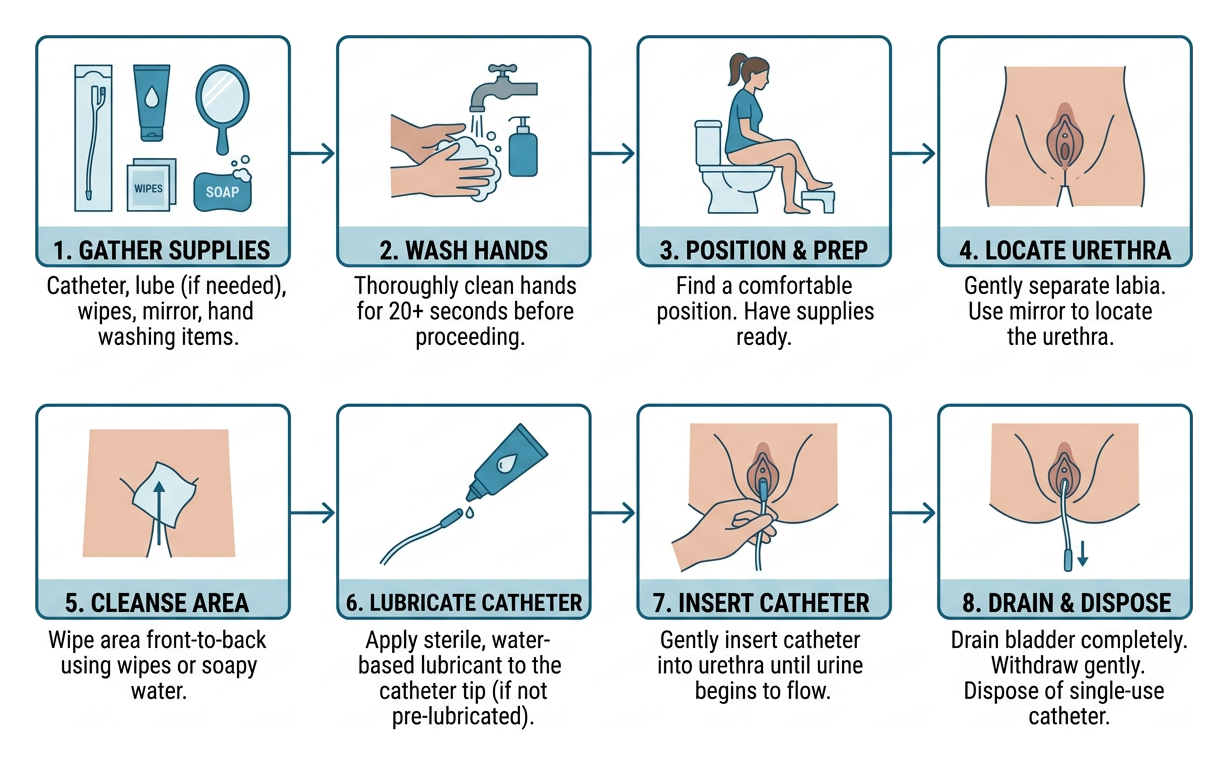
For a deeper dive into these steps and practical tips, read our Self-Catheterization Instructions for Women and review our list of Self-Catheterization Dos and Don'ts for Ease and Success. You can also find additional anatomical guidance in this Guide to self-catheterisation for women.
Preventing UTIs and Maintaining Hygiene
Because inserting a catheter introduces a foreign object into the urinary tract, maintaining strict hygiene is essential.
To keep your bladder healthy and prevent infections, follow these best practices:
- Never Reuse Single-Use Catheters: Reusing a single-use catheter dramatically increases your risk of introducing bacteria into your bladder.
- Stick to a Schedule: Empty your bladder every 4 to 6 hours. Allowing your bladder to overfill can stretch the bladder muscles and increase the risk of infection.
- Drink Plenty of Fluids: Unless advised otherwise by your doctor, stay hydrated to help flush out bacteria naturally.
- Keep Your Supplies Clean: Store your catheters in a clean, dry place, and carry them in a clean, dedicated bag when you are on the go.
For more helpful hygiene tips, read Caring for Your Catheter: 5 Steps for Preventing Infection and the Dos and Don'ts of Urinary Catheter Care.
Troubleshooting Common Challenges
It is completely normal to run into a few bumps in the road when you first start using a self catheter. Here is how to handle common issues:
- Resistance During Insertion: If the catheter won't slide in easily, do not force it. Take a few deep, relaxing breaths to soothe your pelvic floor muscles. Coughing gently can also help relax the sphincter. If it still won't go in, remove it, rest for a few minutes, and try again.
- Accidental Vaginal Insertion: If the catheter accidentally slips into your vagina, do not panic. Simply remove it, throw it away, and start over with a fresh, sterile catheter.
- Minor Bleeding: You might notice a small drop of blood or light orange-tinged urine when you first start. This is usually just minor irritation of the urethral lining and should resolve quickly.
Contact your doctor immediately if you experience a fever of 101°F (38.3°C) or higher, severe pelvic pain, cloudy, foul-smelling urine, or an inability to pass the catheter to empty your bladder.
Transitioning to home catheter care takes time. To help ease your mind, read about What to Expect When You First Start Using a Catheter at Home and check out our tips on Easing the Transition to Using a Catheter.
Achieving Independence with Complete Care Medical

At Complete Care Medical, we understand that adjusting to life with a catheter is a journey that requires both the right products and compassionate, personalized support. Based in Houston, Texas, we are dedicated to helping women across the United States regain their confidence and independence.
We simplify the entire process by billing your insurance directly, delivering your high-quality urological supplies right to your door with zero hassle. Our team treats you like family, never just a number, ensuring you receive the exact products, sizing, and education you need to succeed.
To learn more about managing your routine, read Why It's Important to Follow a Daily Catheterization Schedule or explore our full library of resources on the Complete Care Medical Blog. Let us be your trusted partner in health and daily wellness!