







 800.503.7604
Why the Foods You Eat with Hypothyroidism Matter More Than You Think
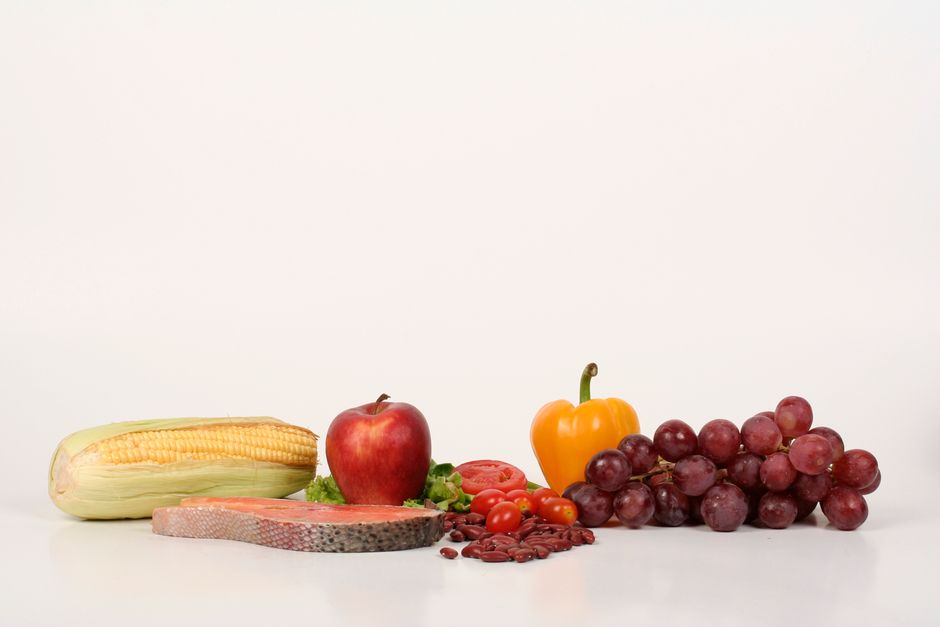
The foods to eat with hypothyroidism can make a real difference in how you feel every day, your energy, your weight, your mood, and even how well your medication works.
Here are the best foods to eat with hypothyroidism:
| Food | Key Nutrient | Why It Helps |
|---|---|---|
| Brazil nuts | Selenium | Supports hormone conversion and reduces oxidative stress |
| Fatty fish (salmon, tuna) | Omega-3s, selenium, vitamin D | Reduces inflammation, supports hormone production |
| Whole eggs | Iodine, selenium, B vitamins | Provides multiple thyroid-supporting nutrients |
| Seaweed/nori | Iodine | Essential building block of thyroid hormones |
| Oysters | Zinc, iron, iodine | Supports hormone production and immune function |
| Greek yogurt | Iodine, vitamin D, probiotics | Supports thyroid and gut health |
| Lean meats (turkey, chicken) | Selenium, zinc, protein | Fuels hormone production and metabolism |
| Legumes (beans, lentils) | Iron, zinc, fiber | Addresses common nutrient deficiencies |
| Berries | Antioxidants | Reduces inflammation linked to Hashimoto's |
| Leafy greens | Magnesium, iron | Supports energy and metabolic function |
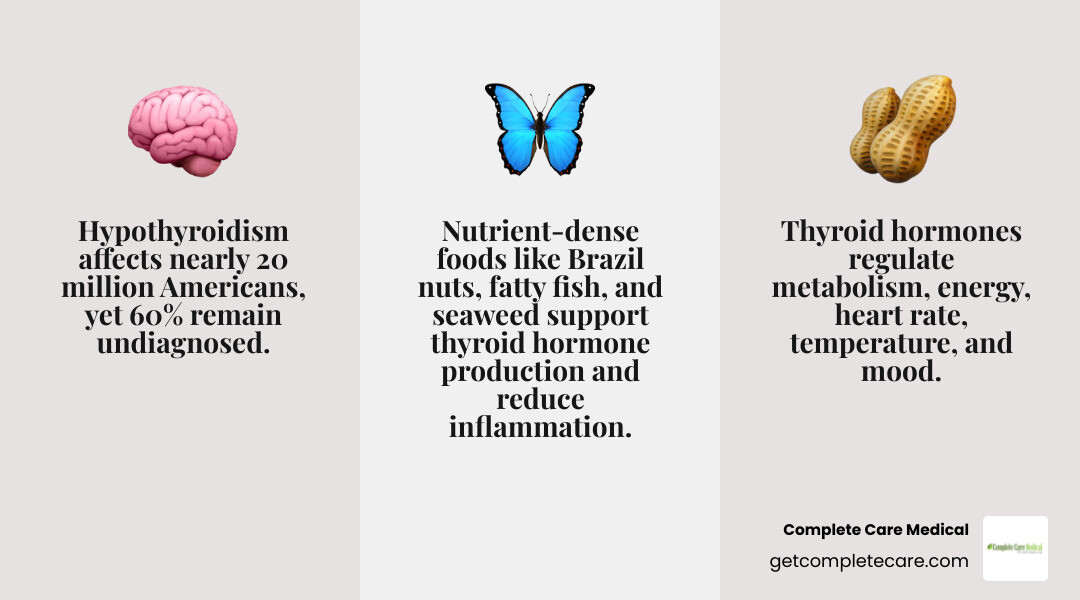
Hypothyroidism, an underactive thyroid, affects nearly 20 million Americans, yet about 60% do not even know they have it. When your thyroid does not produce enough hormones, it slows down nearly every system in your body: metabolism, energy, heart rate, body temperature, and mood.
Medication is the first line of treatment. But what you eat can either support your thyroid or work against it.
The good news? No extreme diet is required. Small, consistent food choices can help reduce symptoms and support your overall health alongside your treatment plan.
With over 20 years of experience helping customers navigate their health and wellness needs, Complete Care Medical is committed to providing trusted guidance, quality products, and personalized support. Nutrition can play an important role in overall wellness, and understanding the foods to eat with hypothyroidism can be a practical step toward making informed dietary choices and supporting everyday well-being.
Best Foods to Eat with Hypothyroidism for Optimal Health
Hypothyroidism happens when the thyroid gland does not make enough thyroid hormone. That matters because thyroid hormones help regulate metabolism, energy production, digestion, temperature, and more. Diet cannot replace thyroid medication, but it can support thyroid function, lower inflammation, and help your medication work properly.
In general, the best approach is not a trendy cleanse or a dramatic pantry purge. It is a balanced, nutrient-dense pattern built around whole foods. We cover more thyroid basics in Why Having Good Thyroid Health Is Important.
Research consistently points to a few key nutrition themes:
- Iodine is essential for making thyroid hormones
- Selenium helps convert T4 into active T3 and protects the thyroid from oxidative stress
- Zinc, iron, vitamin D, B12, and magnesium may also play important roles
- Ultra-processed foods may worsen inflammation, especially in Hashimoto's thyroiditis
- Too much of certain nutrients, especially iodine and selenium, can backfire
For a useful outside overview, see Diet for Hypothyroidism: What To Eat and Avoid.
Essential Nutrients for Thyroid Function
Instead of obsessing over one "magic" food, we recommend thinking in nutrients first.
| Nutrient | Why it matters | Best food sources |
|---|---|---|
| Iodine | Required to make thyroid hormones | Iodized salt, seaweed, fish, dairy, eggs |
| Selenium | Supports hormone conversion and antioxidant protection | Brazil nuts, tuna, sardines, shrimp, eggs, turkey |
| Zinc | Helps thyroid hormone production and immune function | Oysters, beef, poultry, legumes, pumpkin seeds |
| Vitamin D | Low levels are common in autoimmune thyroid disease | Fatty fish, fortified dairy, egg yolks |
| Vitamin B12 | Deficiency is common in hypothyroidism | Fish, meat, eggs, dairy, fortified foods |
| Iron | Needed for normal thyroid hormone production | Lean red meat, lentils, beans, spinach, fortified grains |
| Magnesium | Supports energy metabolism and muscle function | Leafy greens, nuts, seeds, beans, whole grains |
A few important notes:
- Iodine deficiency remains the most common cause of hypothyroidism worldwide, but more is not always better. Excess iodine can worsen autoimmune thyroid problems.
- Selenium is helpful, but the adult upper limit is 400 mcg per day. Brazil nuts are potent, so "a few" is smarter than "a bowl."
- Iron deficiency anemia can impair thyroid function.
- Gut health may affect nutrient absorption and medication response, which is why topics like probiotics can matter. Our article on Probiotic Thyroid Gut Support explains more.
Top Foods to Eat with Hypothyroidism: A Nutrient-Dense List
If you want a practical shopping list, start here.
- Brazil nuts
- One or two can provide a large amount of selenium. Great in tiny portions, not by the handful.
- Seaweed and nori
- Rich in iodine, but use moderation because iodine content varies widely.
- Fatty fish
- Salmon, sardines, trout, tuna, and mackerel provide omega-3 fats, selenium, and often vitamin D.
- Whole eggs
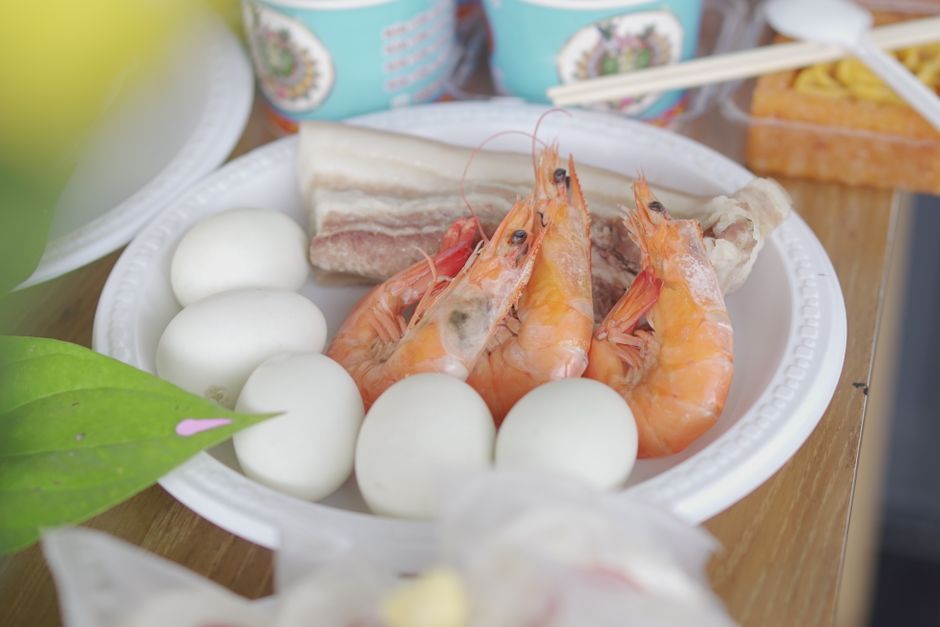
- The yolk matters here. That is where much of the iodine, selenium, and B vitamins live.
- Lean meats
- Turkey and chicken provide protein, zinc, and selenium.
- Oysters and shellfish
- Excellent sources of zinc, iron, iodine, and selenium.
- Greek yogurt
- Offers protein, iodine, vitamin D if fortified, and probiotics if tolerated.
- Legumes
- Beans, lentils, and chickpeas provide iron, zinc, magnesium, and fiber.
- Berries
- Packed with antioxidants that may help calm inflammation.
- Leafy greens
- Spinach, Swiss chard, and similar greens add magnesium, folate, and iron.
- Beef
- A good source of iron, zinc, and B12, especially helpful if blood work shows low iron.
- Colorful vegetables and herbs
- Peppers, carrots, tomatoes, turmeric, garlic, and herbs help create an anti-inflammatory plate.
Foods to Limit or Avoid with an Underactive Thyroid
Most people with hypothyroidism do not need a giant "never eat again" list. But some foods deserve moderation or better timing.
- Ultra-processed foods
- Packaged sweets, fried snacks, sugary cereals, fast food, and similar products may increase inflammation and make energy crashes worse. We talk more about this in Ultra-Processed Foods And The Impact On Your Health.
- Excess added sugar
- Not thyroid-toxic, but often unhelpful for weight, energy, and inflammation.
- Soy around medication time
- Soy foods can interfere with thyroid hormone absorption, so they are best spaced away from your dose.
- Very large amounts of raw cruciferous vegetables
- Think raw kale, cabbage, broccoli, and bok choy in excess. Current evidence is more reassuring than old myths suggested, and cooked versions are generally fine.
- Cassava or yuca
- This one is a more specific concern because compounds in cassava can impair thyroid function, especially in vulnerable people.
- Gluten if you have celiac disease or clear sensitivity
- Not everyone with hypothyroidism needs to avoid gluten. But if you have celiac disease, Hashimoto's with confirmed sensitivity, or symptoms that improve off gluten, personalized guidance makes sense.
- Dairy if you are intolerant
- Some people do well with yogurt and dairy, while others feel better limiting lactose-containing foods.
Managing Your Diet and Medication for Long-Term Success
Food choices matter, but medication timing matters just as much. This is where many people accidentally sabotage their treatment without realizing it.
Levothyroxine and similar thyroid medicines absorb best on an empty stomach. If you take them with coffee, fiber cereal, or a calcium supplement, your thyroid may not be the only thing feeling underappreciated.
For a broader external guide, see Hypothyroidism Diet: Foods to Eat, Avoid, and Meal Plan Ideas.
How to Time Your Foods to Eat with Hypothyroidism Around Medication
The most evidence-based routine is simple:
- Take thyroid medication with water on an empty stomach
- Wait 30 to 60 minutes before breakfast
- If taking it at night, use it 3 to 4 hours after dinner
- Wait at least 30 minutes before coffee or other caffeinated drinks
- Separate calcium and iron supplements by at least 4 hours
- Keep soy foods and very high-fiber meals away from medication time
- Take it consistently at the same time every day
Why does this matter? Because poor absorption can make it seem like your dose is wrong when the real issue is timing.
Evidence-Based Eating Patterns: Mediterranean and Anti-Inflammatory Diets
There is no single best hypothyroidism diet. The strongest overall evidence supports balanced eating patterns rather than rigid food rules.
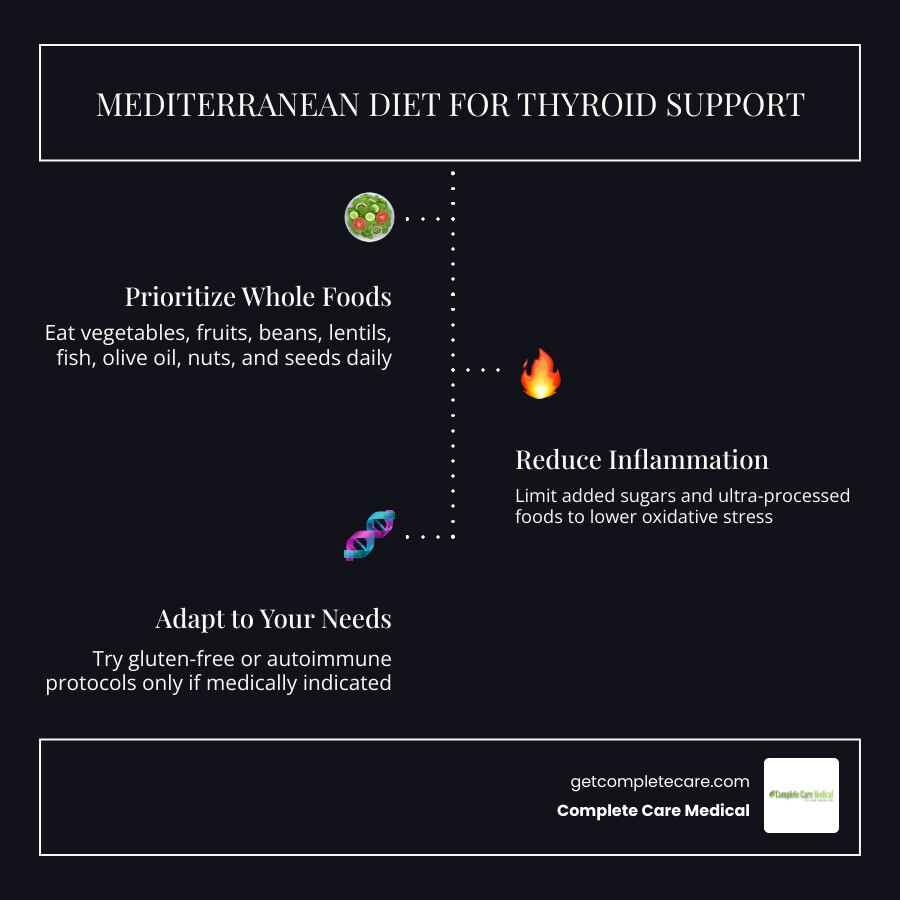
The Mediterranean and anti-inflammatory styles are usually the best place to start because they emphasize:
- Vegetables and fruits
- Beans and lentils
- Fish and seafood
- Olive oil, nuts, and seeds
- Whole grains if tolerated
- Less added sugar and fewer ultra-processed foods
These patterns may help reduce oxidative stress and inflammation, which is especially relevant in Hashimoto's thyroiditis.
Other approaches can help some people:
- Paleo
- May reduce processed foods, but can be harder to sustain
- Autoimmune elimination diets
- Sometimes used short term under medical supervision to identify triggers
- Gluten-free
- Helpful when celiac disease or clear gluten sensitivity is present, not automatically necessary for everyone
Often, small changes work better than a full diet identity crisis. Our article on Small Nutrition Changes That Can Make A Big Difference In Your Health is a good next read.
Sample Meal Plan for Thyroid Support
Here is a simple 7-day framework built around protein, fiber, healthy fats, and thyroid-supportive nutrients.
- Day 1
- Breakfast: Greek yogurt, berries, chia seeds
- Lunch: Lentil soup and side salad
- Dinner: Baked salmon, quinoa, roasted broccoli
- Day 2
- Breakfast: Eggs with spinach and fruit
- Lunch: Turkey lettuce wraps with avocado
- Dinner: Shrimp, brown rice, cooked vegetables
- Day 3
- Breakfast: Oatmeal with walnuts and blueberries
- Lunch: Chickpea salad with olive oil dressing
- Dinner: Chicken, sweet potato, green beans
- Day 4
- Breakfast: Smoothie with yogurt, berries, and flax
- Lunch: Tuna bowl with cucumber and rice
- Dinner: Lean beef, roasted carrots, spinach
- Day 5
- Breakfast: Cottage cheese or yogurt with fruit
- Lunch: Bean and vegetable soup
- Dinner: Baked cod, potatoes, asparagus
- Day 6
- Breakfast: Scrambled eggs and whole grain toast if tolerated
- Lunch: Leftover salmon salad
- Dinner: Turkey chili with beans
- Day 7
- Breakfast: Overnight oats with pumpkin seeds
- Lunch: Quinoa bowl with chickpeas and greens
- Dinner: Sardines or grilled fish with roasted vegetables
A few supplement reminders:
- Food should come first when possible
- Consider supplements when blood work confirms a deficiency or your clinician recommends them
- Avoid self-prescribing high-dose iodine, selenium, or "thyroid support" blends
- Selenium excess can cause nausea, hair loss, and nerve symptoms
- Iodine excess can worsen thyroid dysfunction
At Complete Care Medical, we believe sustainable wellness should feel clear and doable. If you are exploring nutritional support, our guide to vitamins and supplements can help you ask smarter questions before buying anything.
The bottom line: the best foods to eat with hypothyroidism are whole, nutrient-dense foods that support thyroid health without interfering with medication. Start with balanced meals, smart timing, and a little consistency. Your thyroid loves routine almost as much as your coffee maker does.