









 800.503.7604
Why Skin Care for Aging, Health and Wellness, Lifestyle Matters More Than You Think
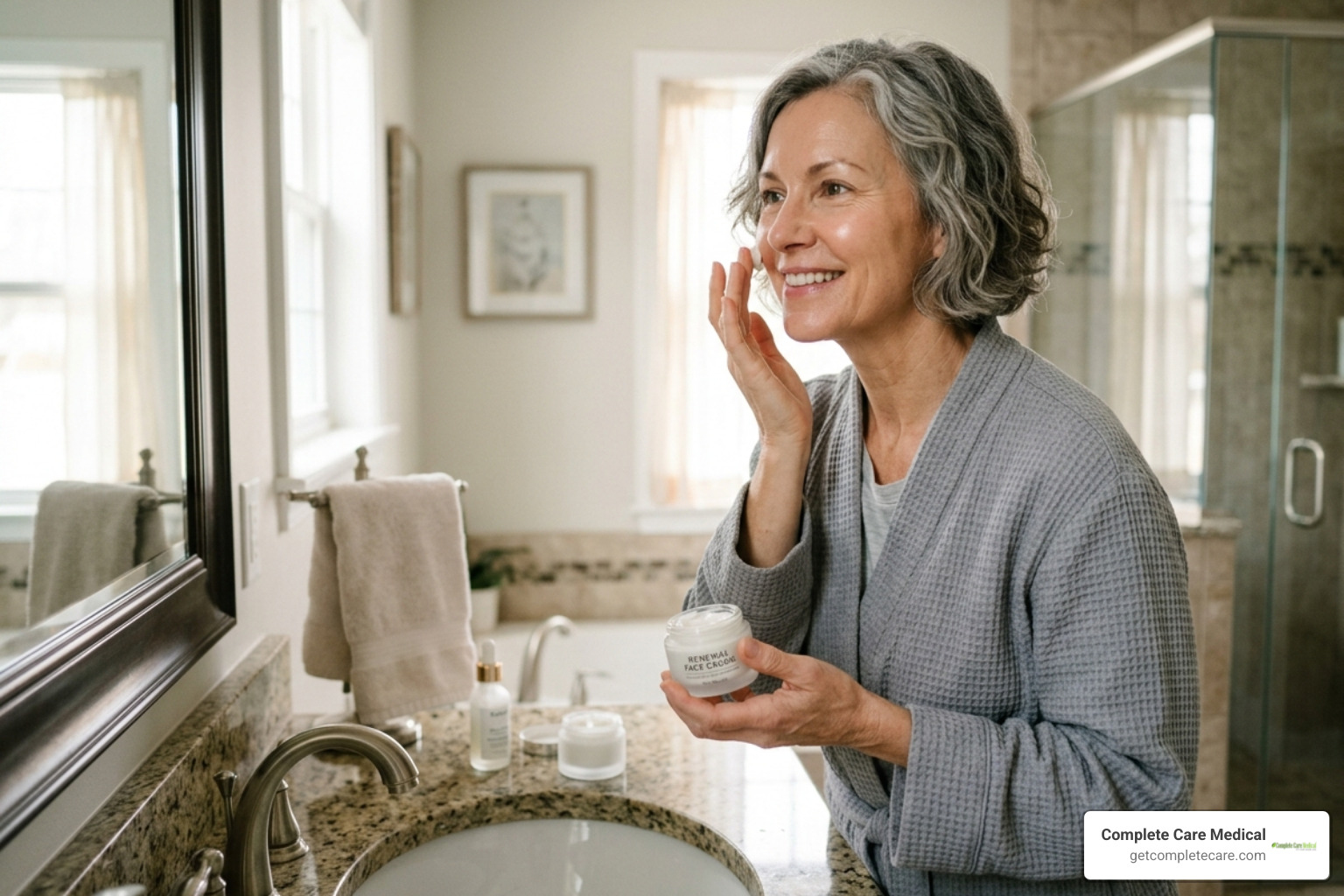
Skin care for aging, health, and wellness, lifestyle choices are the single biggest factor in how your skin looks and functions over time, more than genetics alone.
Here is a quick overview of what actually works:
| Goal | What to Do |
|---|---|
| Prevent premature aging | Wear broad-spectrum SPF 30+ sunscreen daily |
| Reduce wrinkles and fine lines | Use retinoids consistently at night |
| Boost hydration | Apply hyaluronic acid moisturizer; drink enough water |
| Protect collagen | Quit smoking, limit alcohol, manage stress |
| Spot serious changes early | Check skin monthly using the ABCDE rule |
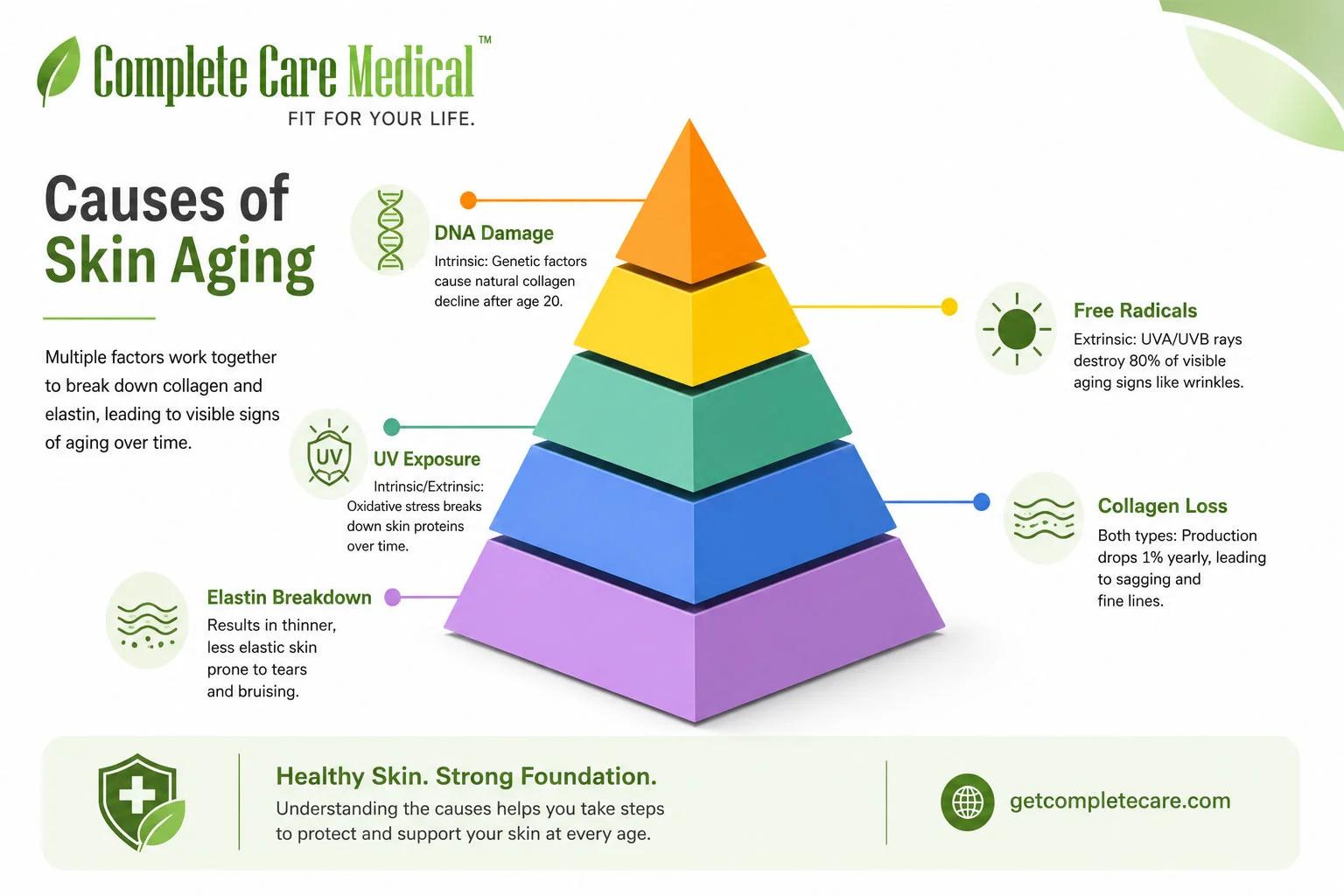
Your skin changes naturally over time. Collagen and elastin break down. Skin gets thinner, drier, and slower to repair itself. But research from board-certified dermatologists is clear: daily habits and the right routine can dramatically slow these changes and even reverse some of them.
Two types of aging shape your skin:
- Intrinsic aging — natural, genetic, and unavoidable
- Extrinsic aging — caused by sun exposure, smoking, diet, and lifestyle choices you can control
The good news? Extrinsic aging is largely preventable. And it is never too late to start.
In this guide, we'll walk through everything you need to know, from daily routines to professional treatments, so you can protect and nourish your skin at every age.
Essential Skin Care for Aging, Health and Wellness, Lifestyle
Consistency is the foundation of effective skin care. Protection is the first step toward maintaining a youthful glow.

The Golden Rule: Sun Protection
UV radiation causes up to 80% of visible facial aging by breaking down collagen and elastin. To protect your skin:
- Use Broad-Spectrum SPF 30+: Protects against UVA (aging) and UVB (burning) rays.
- Apply Daily: Even on cloudy days or when indoors near windows.
- Reapply Regularly: Every two hours when outdoors or sweating.
- Wear Protective Clothing: Hats and UV-blocking sunglasses provide essential physical barriers.
According to scientific research on creating an anti-aging plan, healthy habits are as vital as the products you choose.
The Power Trio of Ingredients
| Ingredient | Primary Benefit | Best Time to Use |
|---|---|---|
| Retinoids | Boosts collagen and smooths wrinkles. | Nighttime |
| Vitamin C | Brightens skin and fights free radicals. | Morning |
| Hyaluronic Acid | Plumps skin by holding moisture. | Morning & Night |
Building a Routine
- Gentle Cleansing: Use mild, fragrance-free cleansers to avoid stripping natural oils from mature skin.
- Daily Moisturizing: Essential for trapping water and restoring the lipid barrier. Look for ceramides and peptides. Find more info about skin care for aging on our blog.
- Chemical Exfoliation: Use AHAs like glycolic acid to reveal fresher skin. Scientific research on mature skin routines shows cell turnover slows with age; exfoliation helps maintain a healthy glow.
Lifestyle Habits
- Hydration: Drink plenty of fluids to maintain skin elasticity.
- Antioxidant-Rich Diet: Eat berries, leafy greens, and fatty fish to fight oxidative stress.
- Sleep: Aim for 7-8 hours; your skin performs its best repair work during rest.
- Stress Management: Lower cortisol levels to protect collagen.
- Avoid Smoking and Excess Alcohol: These dehydrate skin and restrict vital blood flow.
Explore scientific research on skin care and aging for more details on biological changes.
Managing Specific Concerns
- Age Spots: Use Vitamin C or retinoids to fade sun-induced hyperpigmentation.
- Wrinkles: Retinoids help fine lines; deeper wrinkles may require professional care.
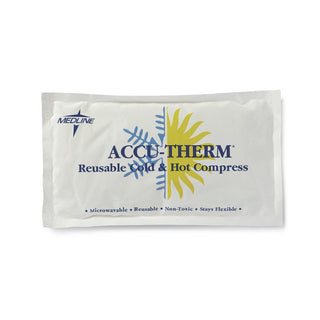
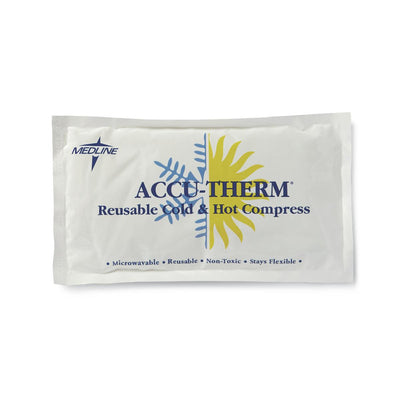
- Undereye Bags: Use cold compresses or caffeine-infused creams. Scientific research on minimizing age spots and wrinkles suggests elevating your head while sleeping.
- Bruising: Handle thinning skin gently and stay hydrated to protect fragile blood vessels.
Skincare Evolution by Decade
- 20s: Focus on prevention with daily sunscreen.
- 30s: Add Vitamin C to fight environmental damage.
- 40s: Incorporate retinoids to maintain skin thickness.
- 50s+: Focus on barrier repair with rich moisturizers containing ceramides.
When to See a Dermatologist
Schedule annual screenings and use the ABCDE Rule for moles: Asymmetry, Border irregularity, Color variation, Diameter >6mm, and Evolving changes. Professionals also offer Botox, fillers, laser therapy, and chemical peels for advanced results.
Conclusion: Embracing Your Skin’s Journey
At Complete Care Medical, we believe that aging is a privilege. Your skin tells the story of your life: the laughs, the travels, and the challenges you’ve overcome. While we want to help you look and feel your best, our ultimate goal is your health and confidence.
By combining a consistent skincare routine with a healthy lifestyle and professional guidance when needed, you can maintain vibrant, resilient skin well into your later years. Whether you are looking for urological supplies covered by insurance or high-quality wellness products for your daily routine, we are here to support you with personalized care and expert knowledge.
For more resources on staying healthy as you age, check out our guide on healthcare for aging populations: innovations and solutions. It's never too early or too late to start taking care of the skin you’re in.