










 800.503.7604
How Bladder Management After a Spinal Cord Injury Actually Works
Spinal cord injury catheterization is one of the most important parts of daily life for the more than 80% of people with a spinal cord injury (SCI) who experience bladder dysfunction. Getting it right protects your kidneys, reduces infections, and helps you stay independent.
Here's what you need to know at a glance:
- What it is: Catheterization is a method of draining urine from the bladder when the nervous system can no longer control that process normally.
- Why it's needed: An SCI can block the nerve signals between your brain and bladder, causing urine retention, incontinence, or both.
- Most recommended method: Clean intermittent catheterization (CIC) — inserting and removing a catheter 4 to 6 times per day — is considered the gold standard for most SCI patients.
- Main catheter options: Intermittent, indwelling (Foley), suprapubic, and external (condom) catheters.
- Biggest risks to manage: Urinary tract infections (UTIs), bladder stones, and long-term kidney damage.
- Good news: With the right technique and catheter type, most people can manage their bladder safely and independently.
Living with an SCI means adapting, and bladder management is one area where the right knowledge makes a real difference. Whether you were recently injured or have been managing a neurogenic bladder for years, understanding your options puts you back in control.
With more than 20 years of experience providing urological products to thousands of patients across the United States, Complete Care Medical understands the life-changing impact that the right guidance and products can have for individuals living with spinal cord injuries. This guide provides a comprehensive overview of spinal cord injury catheterization,**** from understanding how an SCI affects bladder function to selecting the most appropriate catheter and developing a catheterization routine that supports long-term health, independence, and quality of life.
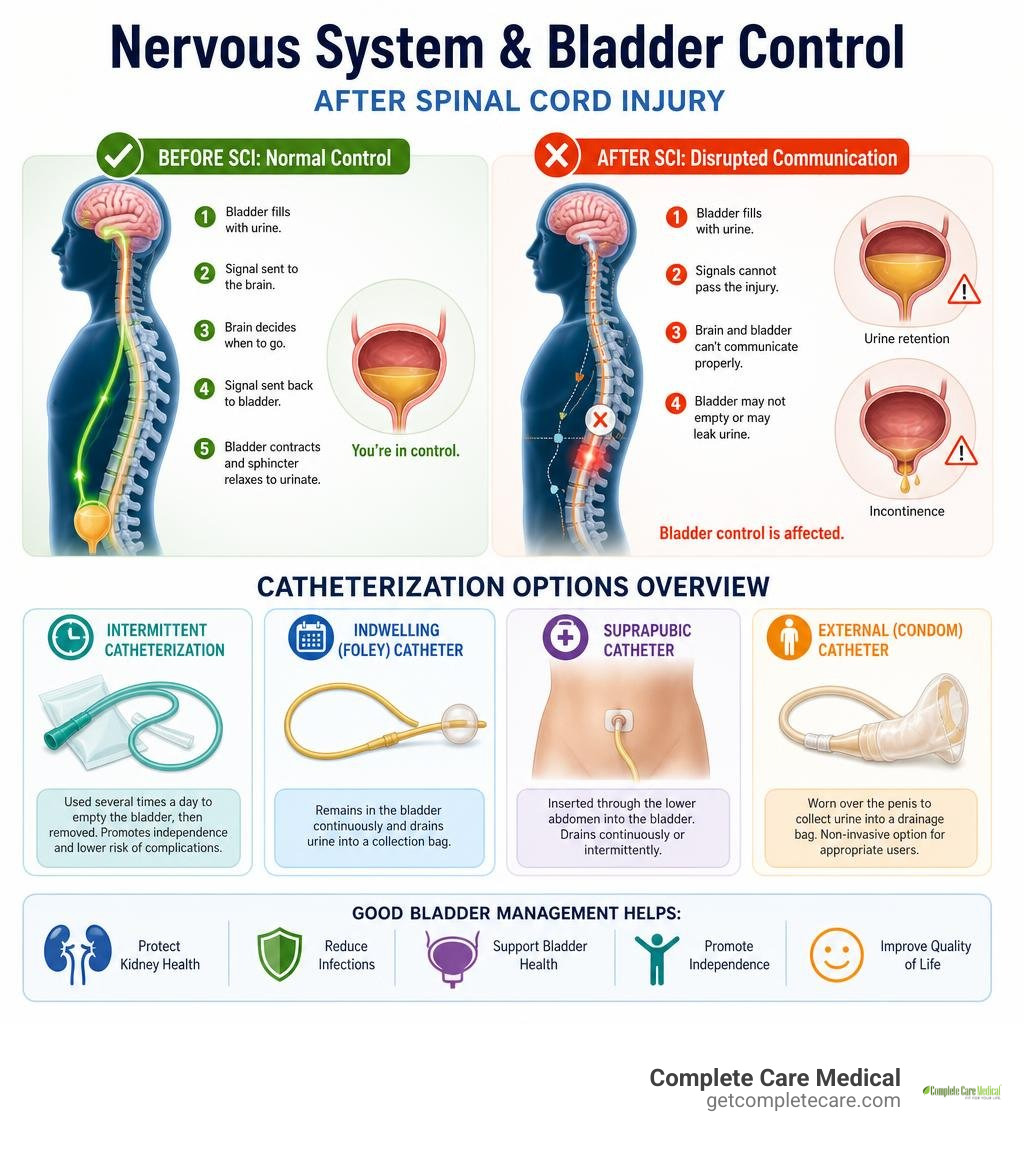
Navigating Spinal Cord Injury Catheterization and Bladder Dysfunction
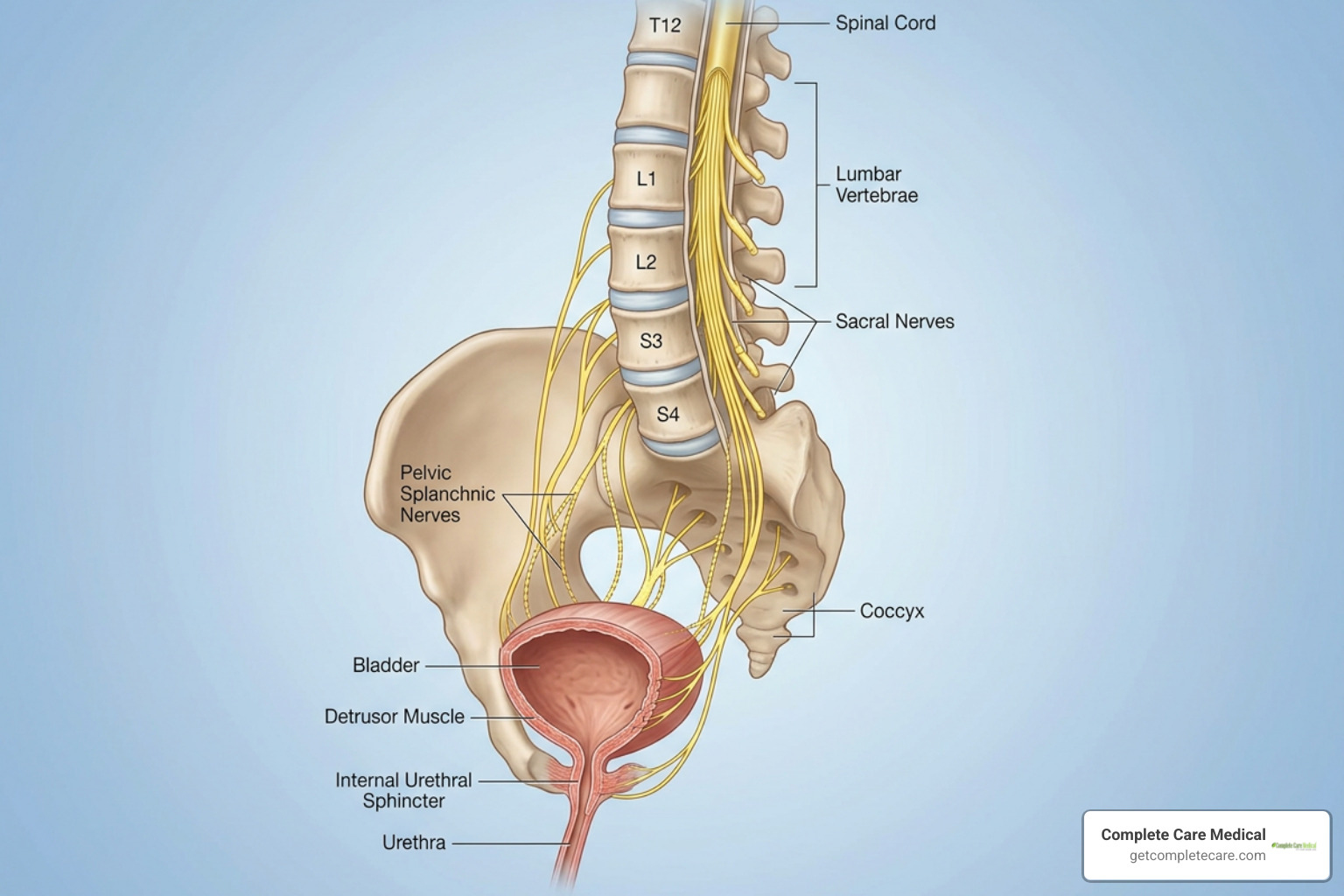
To understand why spinal cord injury catheterization is necessary, we have to look at how our bodies communicate. In an uninjured body, the bladder and the brain are in constant communication via the spinal cord. When the bladder fills, it sends a signal up to the brain saying, "Hey, we're getting full down here!" The brain then decides when it is socially appropriate to find a restroom and sends a signal back down to relax the urinary sphincter and contract the bladder muscle (the detrusor) to release urine.
When a spinal cord injury occurs, this communication highway is disrupted.
Immediately following an injury, the bladder often enters a state called spinal shock. This phase can last for several weeks or even months. During spinal shock, the bladder becomes completely flaccid and loses all muscle tone, meaning it cannot contract to empty itself. Catheterization is absolutely critical during this phase to prevent the bladder from overstretching and causing permanent damage.
The specific way your bladder behaves after spinal shock resolves depends heavily on where your injury occurred relative to the sacral micturition center, which is located at the very base of the spinal cord (S2-S4).
- Upper Motor Neuron (UMN) Lesions: If your injury is above the sacral cord (typically in the cervical or thoracic regions), the reflex arc between your bladder and the sacral center remains intact, but communication with the brain is cut off. This often leads to an overactive or spastic bladder.
- Lower Motor Neuron (LMN) Lesions: If your injury is at or within the sacral spinal cord, the reflex arc itself is damaged. This results in a flaccid, underactive, or atonic bladder that simply fills up like a balloon without ever contracting.
One of the most serious cardiovascular risks for individuals with an SCI at or above the T6 level is autonomic dysreflexia (AD). AD is a life-threatening medical emergency triggered by a painful or irritating stimulus below the level of injury—most commonly an overfull bladder or a blocked catheter. When the bladder is stretched too far, it sends pain signals that cannot reach the brain. The body responds with a dangerous, sudden spike in blood pressure, a severe headache, sweating, and a slow heart rate. If you experience these symptoms, emptying the bladder immediately is the first and most critical step.
How Spinal Cord Injuries Affect Bladder Control
The disruption of the nervous system leads to several distinct patterns of bladder dysfunction, collectively known as neurogenic bladder.
A neurogenic overactive bladder occurs when the bladder muscle spasms and contracts involuntarily, causing urinary urgency, frequency, and incontinence. Conversely, an atonic bladder occurs when the bladder muscle loses all tone and cannot contract, leading to urinary retention where urine simply pools in the bladder.
The trickiest complication of all is detrusor sphincter dyssynergia (DSD). In a healthy body, when the bladder contracts, the urinary sphincter relaxes. With DSD, both muscles contract at the exact same time. Imagine stepping on the gas pedal and the brake of your car simultaneously; it creates incredibly high pressures. In the urinary tract, these high bladder pressures can force urine backward up the ureters and into the kidneys (vesicoureteral reflux).
If left unmanaged, these high pressures can cause permanent kidney damage, hydronephrosis, and renal failure. This is why kidney protection—not just managing wetness—is the absolute primary goal of any bladder management program, as detailed in the Clinical Guidelines of Patient-Centered Bladder Management.
Comparing Bladder Management Options After SCI
There is no single "right" way to manage a neurogenic bladder. The best method depends on your level of injury, hand dexterity, lifestyle, and anatomy. Let's look at how the primary options compare:
| Management Option | How It Works | Key Pros | Key Cons |
|---|---|---|---|
| Intermittent Catheterization (CIC) | A temporary tube is inserted 4–6 times/day to drain urine, then removed. | Lowest infection risk; preserves bladder tone; no permanent bags. | Requires hand dexterity or a dedicated caregiver; must be done on a strict schedule. |
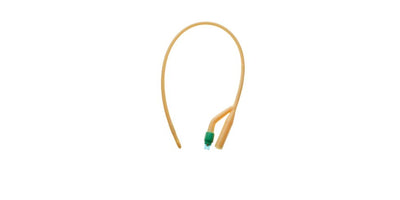
| Indwelling Foley Catheter | A permanent tube stays in the bladder via the urethra, held by a water-filled balloon. | Convenient; requires no physical effort or dexterity. | High risk of UTIs, bladder stones, and urethral erosion over time. |
| Suprapubic Catheter | A permanent tube is surgically inserted through a small incision in the lower abdomen directly into the bladder. | Keeps the urethra safe; hygienically superior to Foley; easier to change. | Requires minor surgery; still carries risk of bladder stones and infections. |
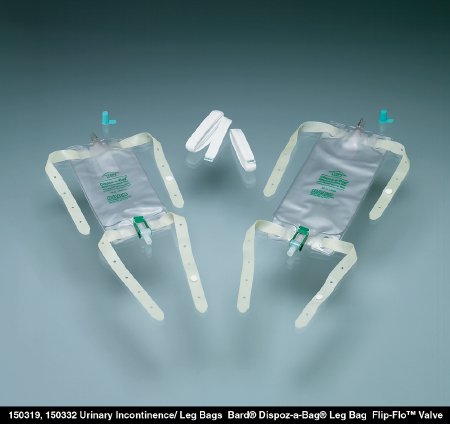
| Reflex Voiding / External Condom Catheter | For men, a condom-like sheath fits over the penis and drains into a bag, utilizing bladder spasms to empty. | Non-invasive; no tubes inserted into the body. | High risk of skin breakdown; does not address high bladder pressures (DSD); not an option for women. Doesnt fully empty bladder. |
While indwelling catheters are convenient, they are associated with long-term complications. For instance, about 3 out of 10 people who use a urethral catheter long-term will develop bladder stones.
When an indwelling catheter is absolutely necessary, a suprapubic catheter is generally preferred over a urethral Foley because it protects the delicate urethral tissue from erosion. If you are considering this surgical option, research on the Safety of ultrasound-guided percutaneous suprapubic catheter insertion shows that modern ultrasound-guided techniques performed by specialists are highly safe, with a major complication rate of just 1.5%.
To dive deeper into these choices, check out our guide on What You Need to Know About the Different Types of Catheters.
The Gold Standard: Clean Intermittent Catheterization (CIC)
For the vast majority of individuals with an SCI who possess the necessary hand function (or have a dedicated caregiver), clean intermittent catheterization (CIC) is considered the gold standard of bladder management.
By mimicking the natural filling and emptying cycle of the bladder, CIC preserves bladder muscle tone and keeps bladder pressures low, offering the best long-term renal protection.
To prevent the bladder from overstretching, CIC is typically performed 4 to 6 times per day, with the goal of keeping catheterized volumes under 500 mL per session.
Implementing a successful routine requires proper education, as outlined in the Management and implementation of intermittent catheterization guidelines. To help you master the physical technique, we have put together step-by-step, easy-to-follow resources:
Choosing the Right Catheter: Hydrophilic vs. Non-Hydrophilic
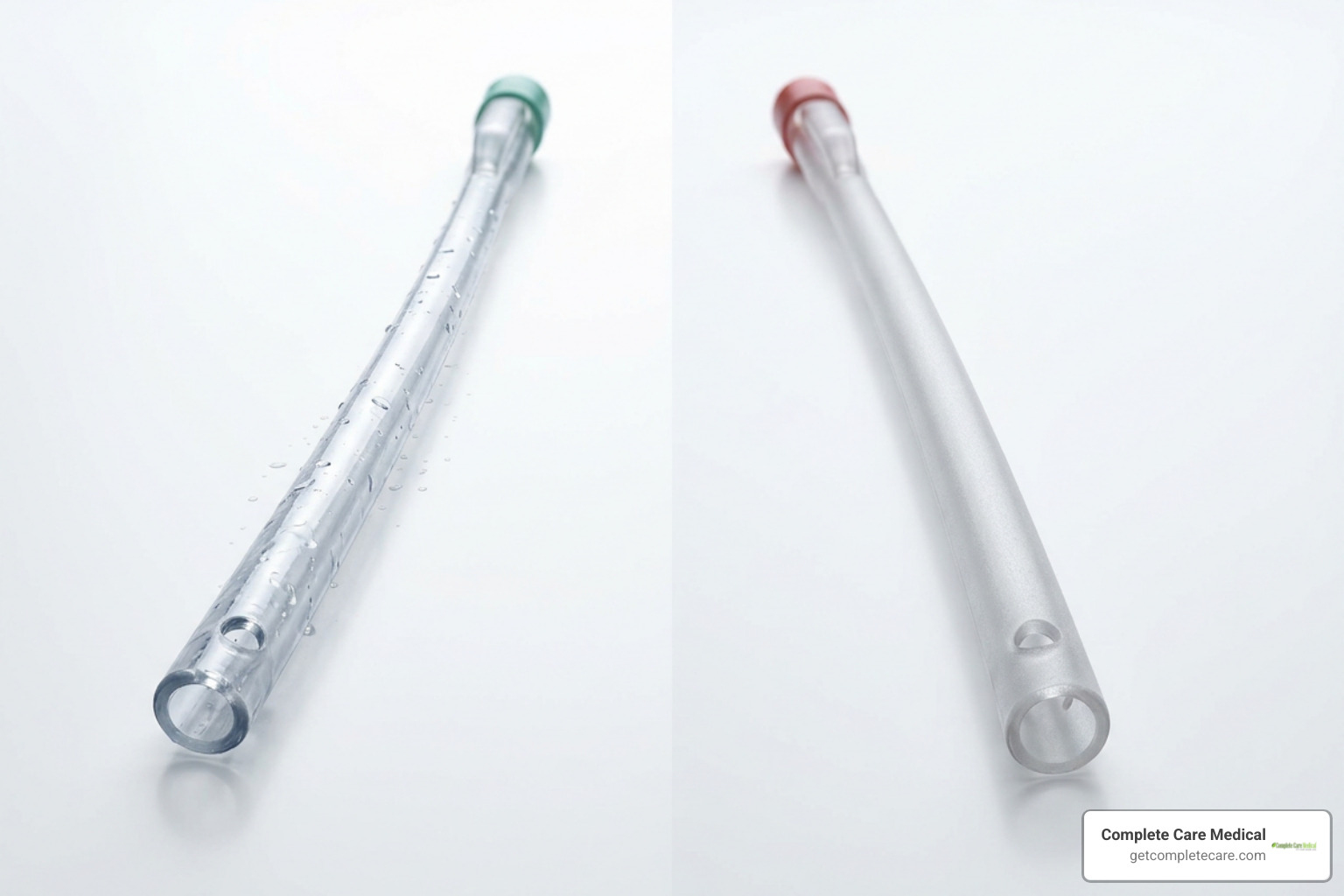
When it comes to intermittent catheters, you have two primary choices in materials: hydrophilic and non-hydrophilic (standard plastic or silicone) catheters.
- Non-Hydrophilic Catheters: These are traditional catheters that require you to manually apply a sterile, water-soluble lubricating jelly to the tube before insertion. Interestingly, a Canadian study noted that 74% of intermittent catheter users utilized non-hydrophilic catheters, while only 15% used hydrophilic ones—often due to historical habits or insurance limitations.
- Hydrophilic Catheters: These catheters feature a special polymer coating bonded to the tube. When exposed to water, this coating becomes incredibly slippery, creating a friction coefficient that is more than 10 times lower than a standard plastic catheter with lubricating jelly.
This ultra-low friction significantly minimizes urethral trauma, reducing the risk of long-term urethral complications like strictures (scar tissue) and false passages.
Hydrophilic catheters also offer a major advantage in terms of time. According to a clinical study on the Time needed to perform intermittent catheterization, individuals with an SCI spend a median of 283 seconds (about 4.7 minutes) performing catheterization with hydrophilic catheters, compared to 373 seconds (about 6.2 minutes) with non-hydrophilic catheters. Saving a minute and a half per session might not sound like much, but when multiplied by 5 times a day, 365 days a year, it saves you over 45 hours of bathroom time annually!
Overcoming Challenges: Spinal Cord Injury Catheterization with Limited Dexterity
If you have cervical spinal cord damage (tetraplegia or quadriplegia), you might assume that self-catheterization is out of the question. However, many individuals with injuries below the C5 level can successfully perform self-catheterization using creative adaptive techniques and tools.
Here are a few practical strategies used by the SCI community:
- Underwear Trick: If you struggle to hold your anatomy with one hand while inserting the catheter with the other, try using the elastic waistband of your underwear to gently secure your penis in place.
- Zipper Pulls & Rings: Attaching rings to your pants' zippers makes manipulating clothing much easier with limited finger grip.
- Closed System Catheters: These are pre-lubricated catheters housed entirely inside an integrated collection bag. They feature an "introducer tip" that you insert into the urethra first, which bypasses the highest concentration of bacteria at the urethral opening and allows you to guide the catheter without directly touching the tube.
- Extension Tubes: If transferring from your wheelchair to a toilet is too difficult or time-consuming, you can attach an extension tube to your catheter, allowing you to drain directly into a container or the toilet from your chair.
Connecting with peers in adaptive sports or local support groups is one of the best ways to learn these real-world "hacks." For more advice on navigating physical limitations, read our guide on How to Stay Active and Safe with Limited Mobility.
Preventing Complications and UTIs
While catheterization is incredibly beneficial, inserting a foreign object into your urinary tract does carry risks. The most common complications include UTIs, bladder stones, and urethral trauma.
Urethral trauma can sometimes lead to a urethral perforation (a tear in the urethral wall). In individuals with limited pelvic sensation, this can easily go unnoticed. A crucial bedside indicator to watch out for is the "long catheter sign"—if half or more of the catheter remains outside the body but no urine is flowing, the catheter may be misplaced or looping in a false passage.
As highlighted in this case study on the Delay in diagnosis of urethral perforation due to catheterisation, prompt cross-sectional imaging (like a CT scan of the pelvis) is essential if you suspect urethral trauma to prevent long-term complications.
To keep your urinary tract healthy and happy, follow these essential UTI prevention strategies:
- Always Practice Hand Hygiene: Wash your hands thoroughly with soap and water, or use an alcohol-based sanitizer, before touching your catheter.
- Never Reuse Single-Use Catheters: Reusing catheters drastically increases the introduction of bacteria into your bladder. Always throw them away after one use.
- Keep Bladder Volumes Low: Stick to your schedule (4 to 6 times daily) and ensure your drained volumes stay under 500 mL. High volumes stretch the bladder wall, reducing blood flow and making it easier for bacteria to take hold.
- Clean the Area Properly: Cleanse the urethral opening from front to back with mild soap and water or sterile wipes before inserting the catheter.
- Stay Hydrated: Drinking plenty of water helps flush out bacteria that may have crept into the bladder.
For a deeper dive into protecting your health, explore our articles on Best Health Practices for Catheter Use and Caring for Your Catheter: 5 Steps for Preventing Infection.
Conclusion: Partnering with Complete Care Medical for Your Bladder Health
Mastering spinal cord injury catheterization is a journey of patience, practice, and finding the right tools. While an SCI changes how your body functions, it does not have to limit your independence, your ability to travel, or your quality of life.
At Complete Care Medical, we understand that you are never just a number. As a trusted healthcare provider, we specialize in delivering urological catheters directly to your door with compassionate, personalized service.
Our team takes the stress out of the process by handling the complex insurance billing for you, aiming to deliver your essential urological supplies at no cost to you through your insurance coverage. Whether you need to sample different catheter brands to find the perfect fit, require guidance on closed systems, or simply want to speak to someone who truly understands your needs, we are here to support you.
Ready to take control of your bladder health? Read Everything You Need to Know About Urinary Catheters and contact our specialists today to find the perfect urological solutions for your daily routine!