







 800.503.7604
Why Understanding Mens External Catheters Matters for Your Health
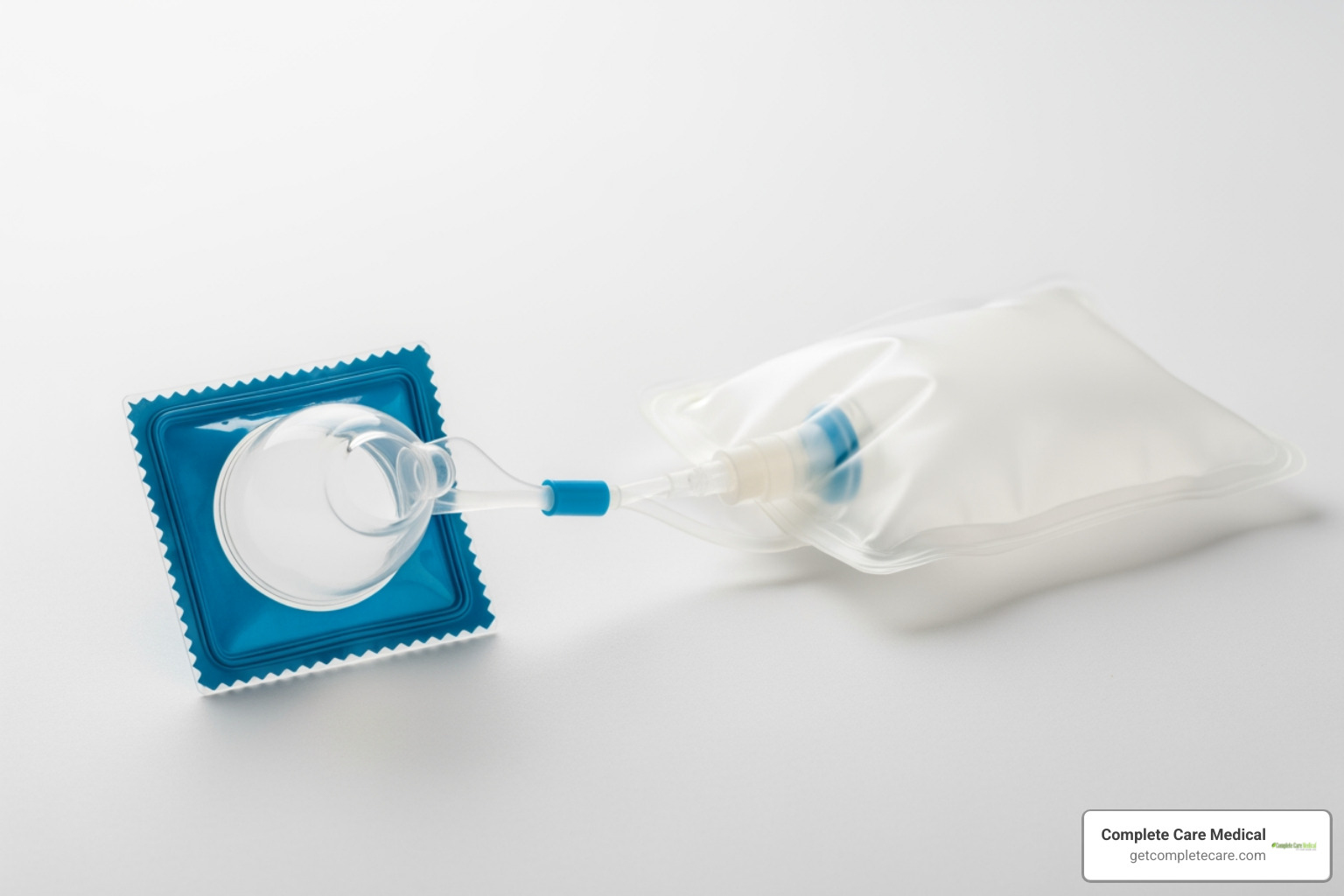
A man's external catheter is a non-invasive urinary management device that fits over the penis like a condom, collecting urine in a drainage bag without requiring insertion. These devices offer a safer, more comfortable alternative to indwelling catheters for men managing urinary incontinence.
Quick Overview: What You Need to Know
| Feature | Benefit |
|---|---|
| Non-invasive design | No insertion required—fits externally like a sheath |
| Lower infection risk | Less likely to cause UTIs than internal catheters |
| Daily replacement | Changed every 24 hours for hygiene and skin health |
| Insurance coverage | Many plans cover 35 catheters per month |
| Material options | Available in silicone (hypoallergenic) or latex |
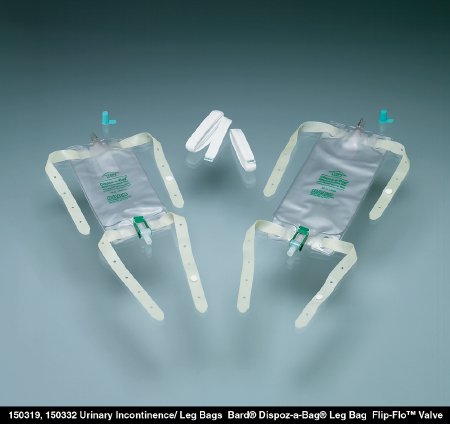
External catheters create a seal using medical-grade adhesive, draining urine through tubing into a leg or bedside bag. They are ideal for men who can pass urine freely but struggle with control. Research shows that while 15-30% of users experience skin issues, proper sizing and technique can mitigate these risks. There are also different adhesives and materials available to reduce skin issues. Crucially, external catheters carry a significantly lower infection risk than indwelling catheters, which account for 70-80% of catheter-associated urinary tract infections.
Since 2004, Complete Care Medical's Houston-based team has helped over 100,000 customers steer urological supplies, ensuring they get the right products through insurance-billed medical supplies and personalized guidance.
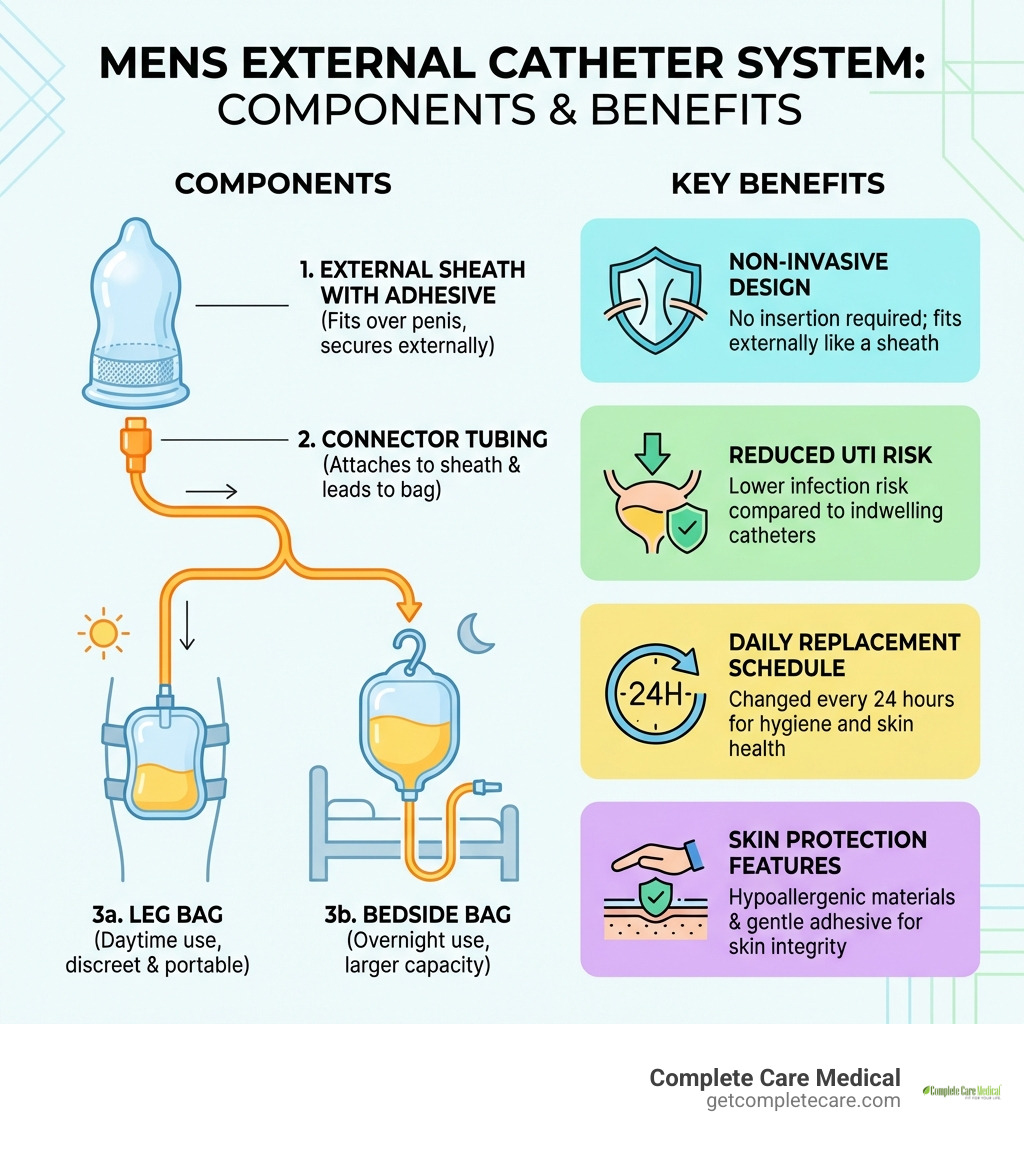
Understanding the mens external catheter: Benefits and Selection
A male's external catheter (condom catheter) remains outside the body, significantly reducing the risk of CAUTIs compared to indwelling catheters. Learn more about preventing infections.
| Feature | Mens External Catheter | Indwelling Catheter | Intermittent Catheter |
|---|---|---|---|
| Invasiveness | Non-invasive | Invasive | Minimally invasive |
| Infection Risk | Lower | Higher | Moderate |
| Duration | Changed daily | weeks to month | As needed |
Candidates and Selection
Ideal for men with incontinence who pass urine naturally, including those with limited mobility or cognitive impairment.
Key Features:
- Sizing: Measure diameter at the widest point; leave 1-1.5 inches at the tip.
- Material: Silicone is breathable and hypoallergenic; latex is flexible. See this guide.
- Adhesive: Self-adhesive sheaths are common; non-adhesive options use foam straps.
- Protection: Look for back-flow prevention to protect skin. See our Urology Supplies guide.
Application, Care, and Insurance
Application & Removal:
- Prep: Clean and dry skin; trim pubic hair.
- Apply: Unroll the sheath, leaving space at the tip. Press gently to seal.
- Connect: Attach to a drainage bag. See tips for first-time users.
- Remove: Use a warm washcloth to loosen adhesive and roll off.
Maintenance: Replace every 24 hours to monitor skin health. Empty bags when 2/3 full and keep them below bladder level. See our drainage bag care guide.
Insurance Coverage: Complete Care Medical simplifies the billing process. Most plans, including Medicare, cover 35 external catheters per month, plus necessary bags and tubing. We coordinate with your doctor to manage documentation. Learn about supplies covered by insurance.
Conclusion
A men's external catheter offers a non-invasive path to independence. Complete Care Medical provides personalized support and high-quality supplies across the USA. For more information, read our guide to urinary catheters.