






 800.503.7604
What to Know Before Choosing a Thyroid Support Supplement
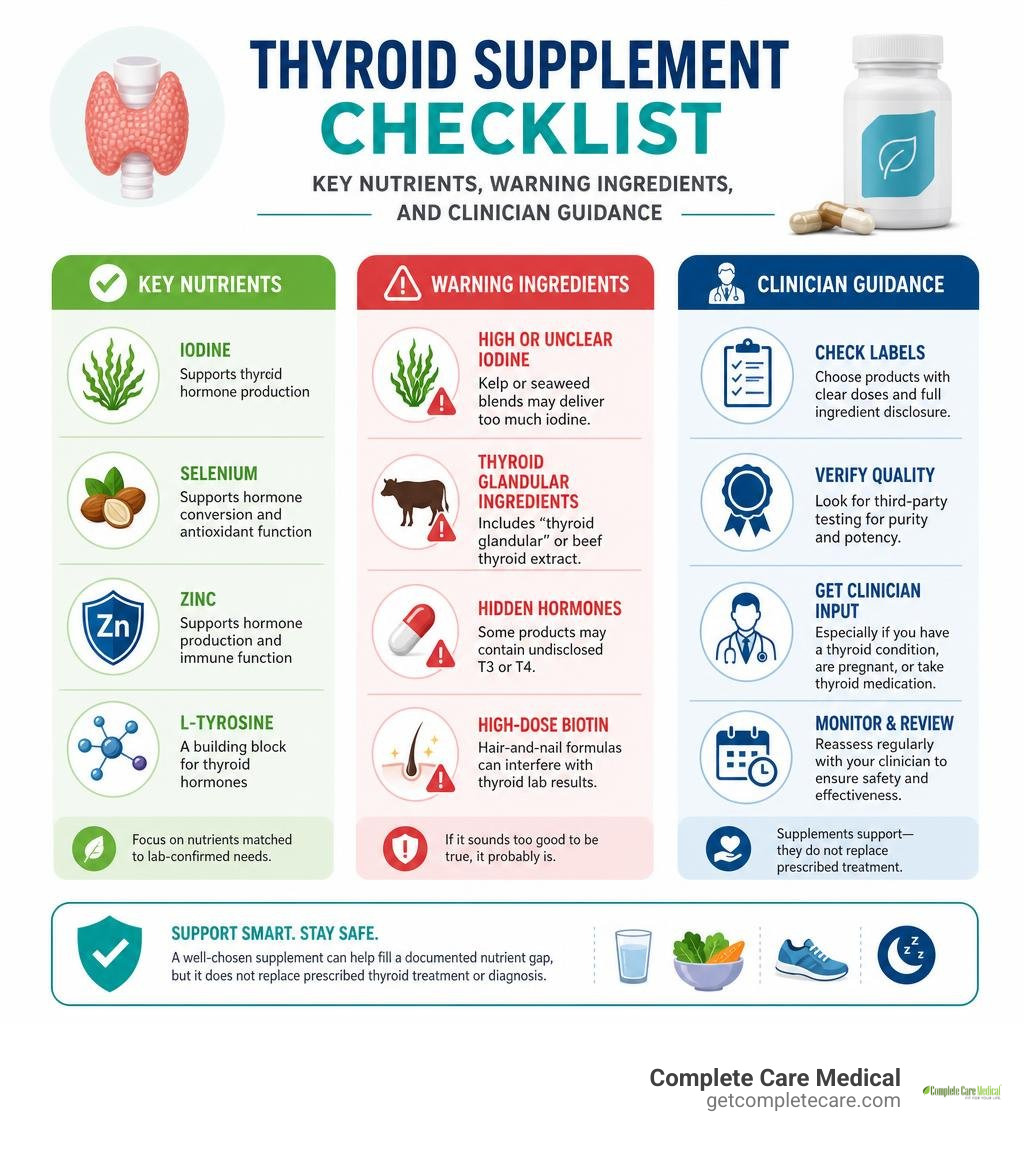
A thyroid support supplement is an over-the-counter product that usually combines nutrients such as iodine, selenium, zinc, and L-tyrosine, sometimes with herbs like ashwagandha or rhodiola. It may help fill a documented nutrient gap, but it does not replace prescribed thyroid treatment or diagnose the cause of fatigue, weight changes, brain fog, or other symptoms.
Quick answer: Choose carefully. Some products contain sensible nutrient-level formulas, while others include high iodine doses, glandular ingredients, or even undisclosed thyroid hormones. A clinician should review any supplement if you have a thyroid condition, take levothyroxine or antithyroid medication, are pregnant, or have Hashimoto's disease or Graves' disease.
| Look for | Be cautious with |
|---|---|
| Clear doses and full ingredient disclosure | Kelp or seaweed blends with high or unclear iodine |
| Third-party quality testing | "Thyroid glandular" or beef thyroid extract |
| Nutrients matched to lab-confirmed needs | Products marketed as a replacement for medication |
| Clinician guidance for known thyroid disease | Hair-and-nail formulas with high-dose biotin before thyroid labs |
The thyroid is a small gland, but its hormones affect energy use, heart rate, temperature control, digestion, and more. That makes shortcuts risky: research summarized by the American Thyroid Association found active T3 in 9 of 10 tested "thyroid support" supplements and T4 in 5, at amounts that could potentially trigger excess thyroid hormone effects.
With more than 30 years of experience helping individuals navigate healthcare and wellness products, Complete Care Medical is committed to providing clear, reliable information that supports informed health decisions. This guide explores what to consider when evaluating a thyroid support supplement, including how to read ingredient labels, recognize realistic versus misleading claims, understand potential safety considerations, and choose products with greater confidence.
Navigating the Thyroid Support Supplement: Key Ingredients, Research, and Risks
When evaluating a thyroid support supplement, understanding how specific vitamins, minerals, and herbs interact with your body's metabolic pathways is essential. The thyroid gland relies on precise micronutrient cofactors to build and convert hormones, but more is not always better.

Essential Nutrients and Adaptogens in a Thyroid Support Supplement
To produce thyroid hormones (thyroxine/T4 and triiodothyronine/T3), your thyroid requires fundamental raw ingredients. However, balancing these micronutrients is critical:
- Iodine: Iodine provides the structural backbone for T4 and T3. While the standard recommended daily allowance (RDA) is 150 mcg, excessive iodine intake from concentrated kelp or brown seaweed can actually suppress thyroid function or trigger autoimmune flare-ups.
- Selenium: Deiodinase enzymes rely on selenium to convert inactive T4 into active T3, while glutathione peroxidase uses selenium to shield thyroid tissue from oxidative stress. Clinical research indicates selenium supplementation can lower thyroid peroxidase (TPO) antibodies by an average of 271 to 512 points.
- Zinc & Copper: Zinc acts as a vital cofactor for thyroid hormone receptors and T4-to-T3 conversion enzymes. Pairing zinc with copper ensures balanced trace mineral absorption.
- L-Tyrosine: This amino acid binds with iodine inside the thyroid gland to form raw thyroid hormones.
- Vitamin D & Myo-Inositol: Vitamin D deficiency is frequently linked with thyroid autoimmunity; supplementing with 1,000–8,000 IU daily for 3–6 months has been shown to reduce TPO antibodies by an average of 158 points. Additionally, pairing selenium with myo-inositol has been shown to reduce TSH levels by 31% in patients with subclinical hypothyroidism.
- Adaptogens (Ashwagandha & Rhodiola): Ashwagandha modulates cortisol and the adrenal stress response. In a 2018 randomized controlled trial, 600 mg of ashwagandha daily significantly improved TSH, T3, and T4 levels in subclinical hypothyroid patients after 8 weeks.
- Probiotics & Gut Support: The gut plays a key role in hormone conversion and nutrient absorption. You can read more about Probiotic Thyroid Gut Support to explore how balancing gut flora optimizes endocrine wellness.
For those interested in foundational health, explore our broader guide on Vitamins and Supplements or review this recent study, Editorial: Dietary supplements for preserving thyroid health, for additional scientific insights.
| Nutrient / Ingredient | Recommended Daily Range | Biological Function in Thyroid Health |
|---|---|---|
| Iodine | 150 mcg (RDA limit: 1,100 mcg) | Core structural backbone for T3 and T4 synthesis |
| Selenium | 55–200 mcg | Enzymatic T4 to T3 conversion & tissue antioxidant protection |
| Zinc | 10–15 mg | Supports thyroid hormone receptor binding and enzyme activity |
| L-Tyrosine | 50–500 mg | Amino acid precursor required for thyroglobulin synthesis |
| Ashwagandha | 300–600 mg | Adaptogenic stress support; modulates cortisol and TSH production |
How a Thyroid Support Supplement Differs from Prescription Medication
It is vital to distinguish over-the-counter supplements from prescription treatments like levothyroxine. Prescription medications deliver precise, standardized doses of synthetic thyroid hormones (T4 or T3) to replace what an underactive gland cannot make.
By contrast, an over-the-counter thyroid support supplement should only provide nutritional cofactors, not active hormones. However, market testing reveals significant regulation gaps. A study highlighted by the American Thyroid Association tested commercially available thyroid supplements and found that 9 out of 10 contained active T3 and 5 contained active T4. Furthermore, 4 out of 5 products containing beef extract tested positive for T3, and even purely herbal capsules showed unlisted T3 content.

Ingesting unlisted thyroid hormones carries serious health risks, including thyrotoxicosis, heart arrhythmias, anxiety, bone loss, and severe sleep disturbances. Understanding Why Having Good Thyroid Health is Important highlights why unverified hormone ingestion must be avoided.
How to Safely Take Thyroid Supplements and Avoid Lab Testing Conflicts
If you take prescription levothyroxine or schedule regular blood draws, timing your supplements correctly is mandatory to prevent absorption failure or distorted test results:
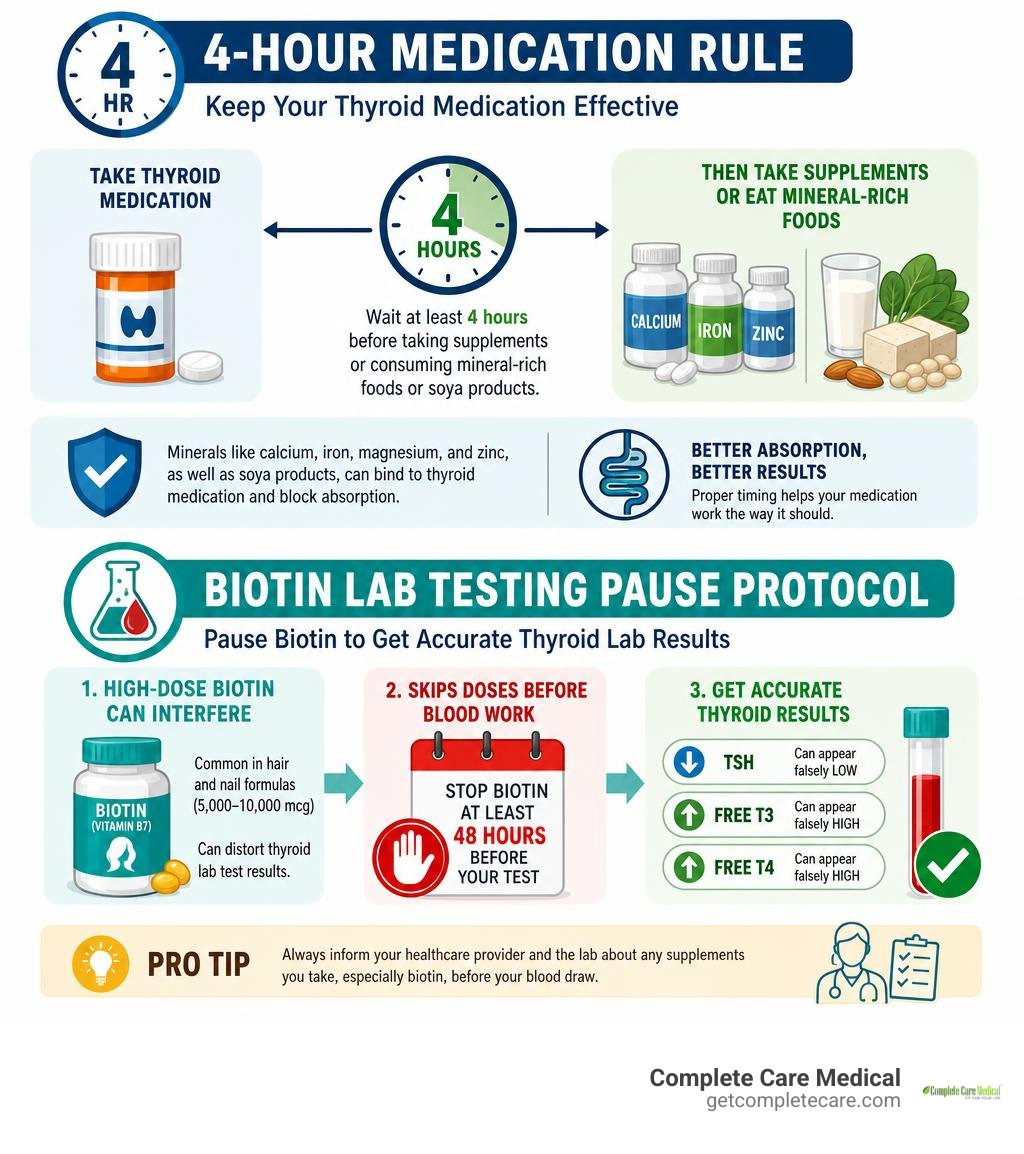
- The 4-Hour Rule: Minerals like calcium, iron, magnesium, and zinc, as well as soya products, bind to prescription levothyroxine in the digestive tract, blocking its absorption. Always separate prescription thyroid medication from dietary supplements and mineral-rich meals by at least 4 hours.
- Biotin Test Interference: High-dose biotin (Vitamin B7), commonly found in hair and nail formulas (5,000–10,000 mcg), alters laboratory immunoassay readings. It can artificially lower measured TSH and elevate free T3/T4, creating a false picture of hyperthyroidism. Always discontinue biotin supplements at least 48 hours prior to any thyroid blood draw.
- Stomach Acid & Levothyroxine Absorption: Digestive health heavily influences medication efficiency. Approximately 40% of individuals with atrophic gastritis (low stomach acid) also experience autoimmune thyroid disease, and patients with low stomach acidity require up to 23% higher doses of levothyroxine to achieve target hormone levels.
Who Should Take or Avoid Supplements for Thyroid Health?

Nutritional supplementation can be beneficial, but it is not suitable for everyone.
Who May Benefit:
- Individuals with lab-confirmed micronutrient deficiencies (e.g., low selenium, zinc, or Vitamin D).
- People experiencing subclinical hypothyroid sluggishness alongside stress, under the guidance of a physician.
- Those seeking to improve overall wellness through targeted dietary support. Discover how The Role of Nutrition in Promoting Wellness can transform foundational health.
Who Should Avoid or Exercise Caution:
- Hashimoto's or Graves' Disease Patients: Excess iodine can spark autoimmune thyroiditis or hyperthyroid storms.
- Pregnant or Nursing Women: High doses of adaptogens or iodine can cross the placenta or enter breast milk.
- Anyone on Prescription Thyroid Medications: Supplementation should only occur under medical supervision to avoid medication binding or hormone overdosing.
Key Safety Guidelines Before Supplementing:
- Obtain a full thyroid blood panel (TSH, Free T3, Free T4, TPO antibodies).
- Screen labels carefully to avoid "thyroid glandulars" or undisclosed animal tissues.
- Check that the product undergoes independent third-party laboratory testing for heavy metals and purity.
- Consult your primary care physician or endocrinologist before starting any new dietary regimen.
Conclusion and Next Steps for Your Wellness Journey
Selecting the right thyroid support supplement requires a balanced, evidence-based approach that prioritizes transparent labels, proper ingredient dosing, and safety. While targeted micronutrients like selenium, zinc, and Vitamin D can help support metabolic health, over-the-counter supplements should never replace professional medical care or prescription therapies.
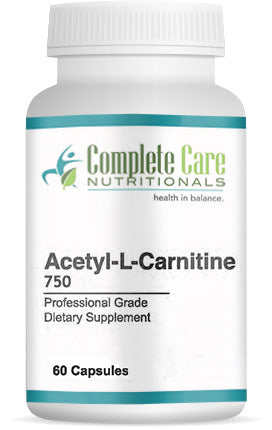
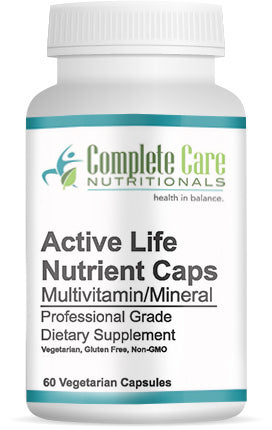
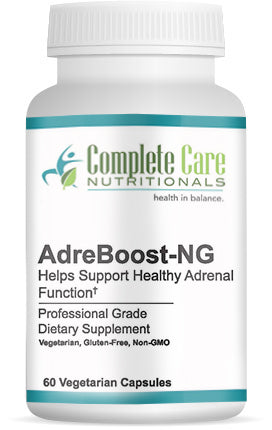
At Complete Care Medical, we treat every customer with compassionate, personalized service. Whether you need assistance navigating insurance-covered medical supplies like urological catheters and breast pumps or are seeking high-quality, out-of-pocket wellness products, our Houston-based team is dedicated to supporting your health goals. Try our Thyroid Support supplement or explore our full range of trusted Vitamins and Supplements or reach out to our team today to take the next confident step in your wellness journey.