










 800.503.7604
Foundations of Healthy Living and Everyday Wellness

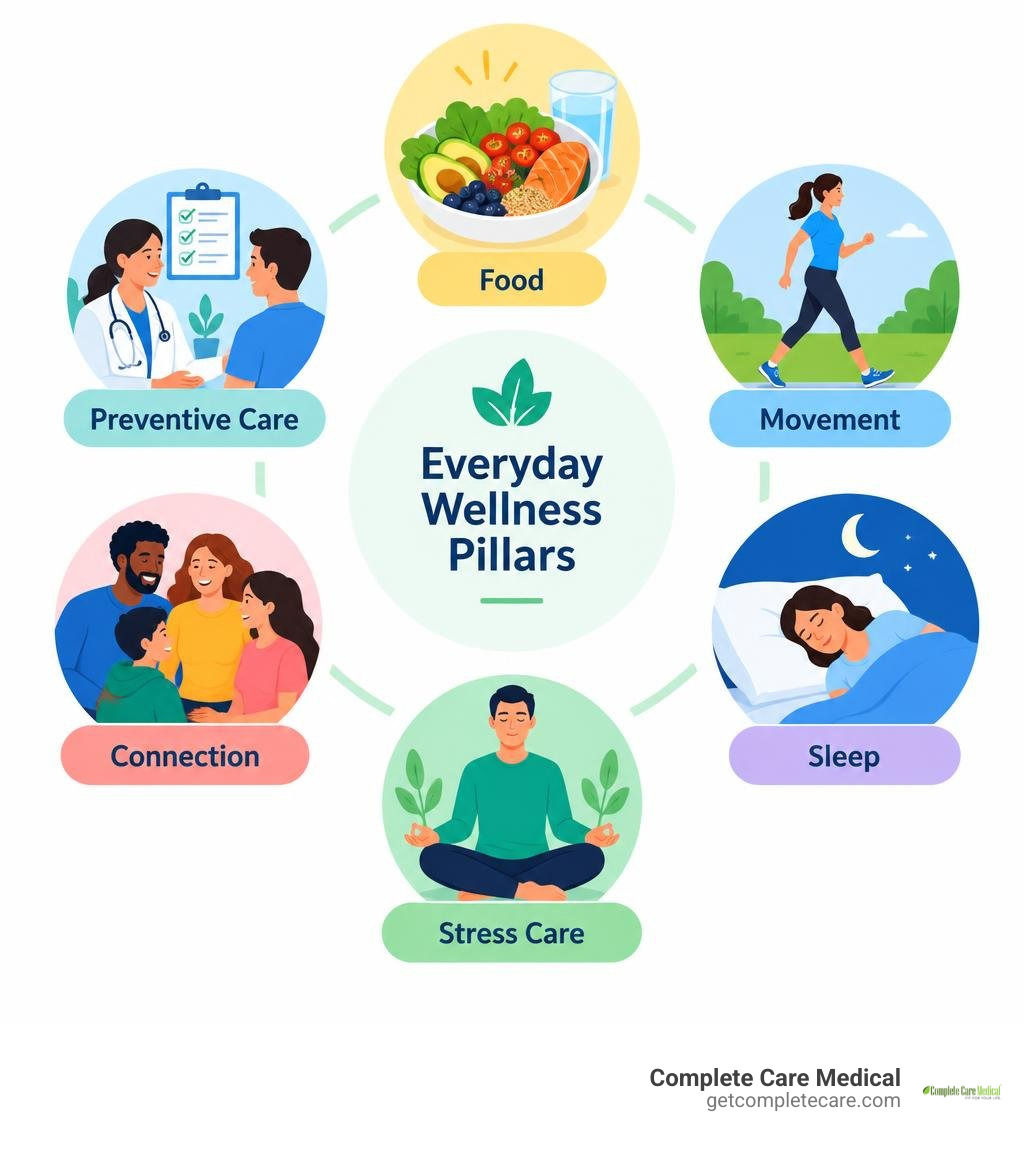
Healthy Living And Everyday Wellness means caring for your body and mind through habits you can keep. Start with balanced meals, regular movement, enough sleep, and time to manage stress and connect with others. Keep up with recommended checkups, screenings, and vaccines, too. You do not need to change everything at once: a short daily walk or swapping a sugary drink for water is a useful first step.
Your routine should fit your health needs and daily life. If you have a medical condition or care for someone who does, ask a healthcare professional which changes make sense for you.
With more than 30 years of experience in business and healthcare leadership, Complete Care Medical recognizes the importance of practical guidance and personalized support in maintaining a healthy lifestyle. Healthy Living and Everyday Wellness begins with informed choices, manageable daily habits, and access to reliable health resources that help individuals and families improve their overall quality of life.
Defining Healthy Living and Everyday Wellness for Long-Term Vitality
When we look at our baseline vitality, small actions compound into significant benefits over time. A balanced lifestyle lowers the risk of serious health conditions such as heart disease, type 2 diabetes, stroke, and certain cancers. The American Heart Association highlights this connection through Life's Essential 8—a set of foundational metrics including diet, physical activity, nicotine avoidance, sleep duration, weight management, blood pressure, blood glucose, and cholesterol.
Achieving vitality is not about dramatic, temporary restrictions. Instead, it relies on incremental, steady progress. Following Everyday actions for better health – WHO recommendations allows us to build sustainable routines without overwhelming our schedules. Sustainable vitality comes from adopting sustainable lifestyle changes over quick diets that are difficult to maintain.
Holistic Dimensions of Everyday Health and Well-Being
Total well-being extends beyond diet and gym sessions. It encompasses physical vitality, emotional stability, restful sleep, a supportive indoor living environment, and genuine social connection. When we take care of our physical spaces—ensuring good ventilation, natural lighting, and reduced clutter—our stress levels drop, making it easier to sustain positive habits.
Understanding how these elements interact is central to exploring the core dimensions of wellness. The following comparison highlights why sustainable habits outperform temporary fixes:
| Area of Focus | Short-Term Health Interventions | Long-Term Lifestyle Habits |
|---|---|---|
| Nutrition | Highly restrictive calorie counting and fad diets | Balanced meals featuring whole foods, vegetables, and lean proteins |
| Physical Activity | Exhausting, sporadic gym sessions | Consistent daily movement combining walking, cardio, and strength training |
| Rest & Recovery | Catching up on lost sleep during weekends | Consistent sleep schedules of 7 to 9 hours nightly |
| Stress Care | Ignoring burnout until forced to stop | Daily micro-breaks, breathing exercises, and mindfulness |
| Medical Care | Seeking help only during acute symptoms | Proactive preventive checkups, routine screenings, and health monitoring |
Core Pillars for Building Sustainable Daily Routines

Balancing Nutrition, Physical Activity, and Sleep
Nutrition forms the baseline of our daily energy. A balanced dietary pattern—such as the Mediterranean or DASH eating plans—emphasizes fresh vegetables, fruits, whole grains, healthy fats, and lean protein sources while cutting back on added sugars, refined carbohydrates, and saturated fats. Drinking water consistently throughout the day keeps our bodies energized and supports healthy digestion. Reviewing evidence-based guidance from MedlinePlus and understanding the critical nutritional strategies for wellness can help you design meals that fuel your routine.
Physical exercise works hand in hand with good nutrition. Adults should aim for at least 150 to 300 minutes of moderate-intensity aerobic exercise per week, or 30 to 60 minutes of exercise at least three times a week. When time is tight, breaking movement into three 10-minute sessions during the day delivers comparable cardiovascular benefits. Incorporating resistance training twice weekly builds muscle mass and supports bone density, proving the lifelong necessity of prioritizing daily exercise for health and fitness.
Sleep is the ultimate recovery tool. Most adults require 7 to 9 hours (or at least 6 to 10 hours depending on individual recovery needs) of quality sleep each night. Going to bed and waking up at consistent times stabilizes our internal circadian clock, regulating appetite hormones and mental focus. Limiting blue light exposure from screens an hour before bed and creating a cool, dark sleep space can transform sleep quality.
Mental Health, Social Connection, and Stress Management
Chronic mental stress elevates cortisol and blood pressure, draining our energy reserves. Managing stress does not require eliminating all daily pressures; rather, it means building proactive coping mechanisms. Taking a brief walk outside, practicing five minutes of mindful breathing, or following the 20-20-20 rule (looking at an object 20 feet away for 20 seconds every 20 minutes) helps reset the nervous system.
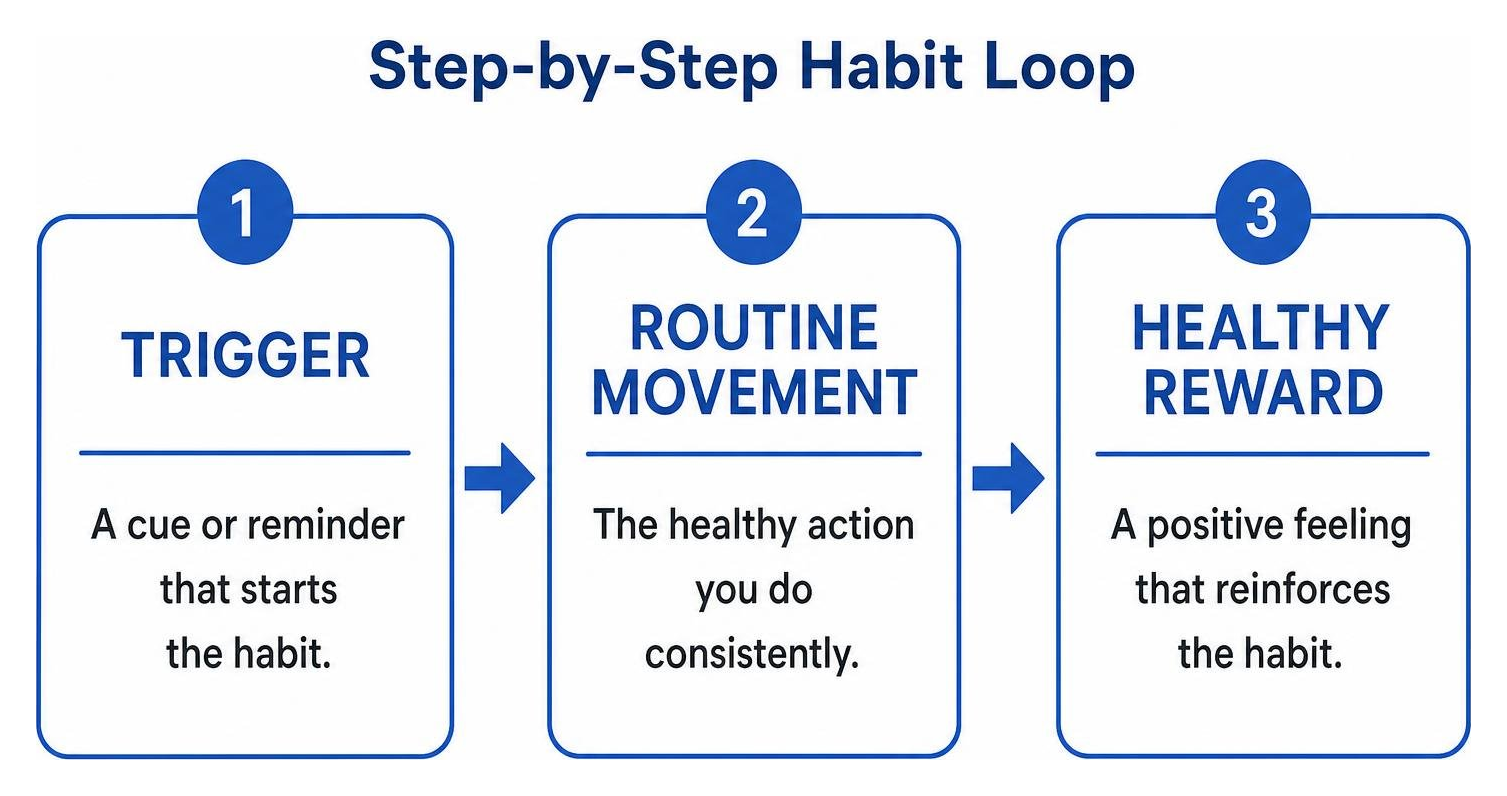
Human connection is equally vital. Sharing meals with family, speaking with friends, or participating in community groups helps prevent isolation and boosts emotional resilience. Building a balanced routine involves cultivating everyday habits supporting overall health and sustaining daily routines for natural energy.
Actionable Strategies and Preventive Healthcare Solutions

Tailoring Healthy Living and Everyday Wellness Across Life Stages
Wellness needs evolve as we navigate different decades:
- Young Adulthood: Establishing foundational habits such as balanced meal prep, consistent hydration, regular exercise, and healthy sleep patterns.
- Midlife & Active Adulthood: Prioritizing cardiovascular conditioning, stress moderation, and regular metabolic health monitoring.
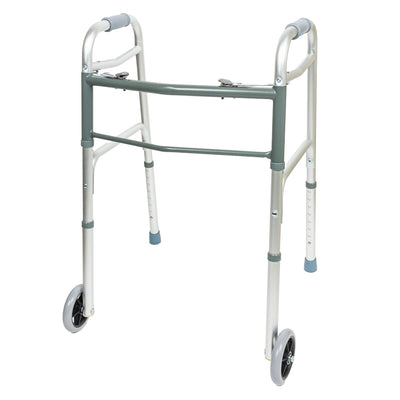
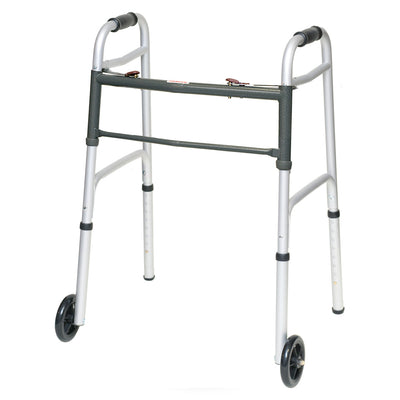
- Mature Adulthood & Seniors (50+): Protecting bone density and joint mobility. According to the U.S. Centers for Disease Control and Prevention, falls are the leading cause of loss of independence over the age of 65. Incorporating balance training, resistance exercises, and discussing calcium and vitamin D supplementation with a clinician helps safeguard bone health and mobility.
Managing a chronic condition like hypertension or prediabetes requires adapting physical activity and nutrition to personal tolerance levels. By implementing actionable steps for a healthier you and maintaining consistent habits for a healthy lifestyle, you can protect your long-term independence.
Routine Screenings, Checkups, and Everyday Wellness Support
Preventive healthcare is one of the most effective tools for maintaining long-term wellness. Scheduling annual wellness checkups, keeping immunizations current, and monitoring key vitals—such as blood pressure, cholesterol levels, and blood glucose—ensures that potential health concerns are caught early when they are easiest to manage.
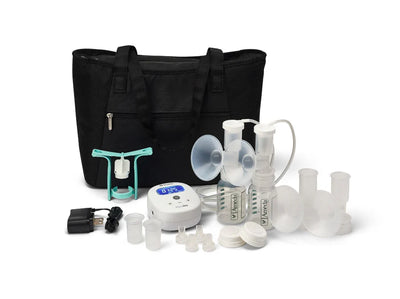
At Complete Care Medical, we understand that maintaining daily wellness often requires personalized support, educational guidance, and reliable health resources. Based in Houston, Texas, our team is dedicated to providing compassionate, customer-first service. We simplify access to essential insurance-covered supplies—such as breast pumps and urological catheters—while offering wellness solutions including nutritional supplements, compression wear, and anti-aging skincare for direct purchase.
Whether you are seeking preventative guidance, managing specialized medical needs, or exploring accessible wellness products and medical supplies, having a dedicated partner makes your path to everyday health straightforward and achievable.