












 800.503.7604
Why Emotional Health and Wellbeing Matters Beyond Happiness

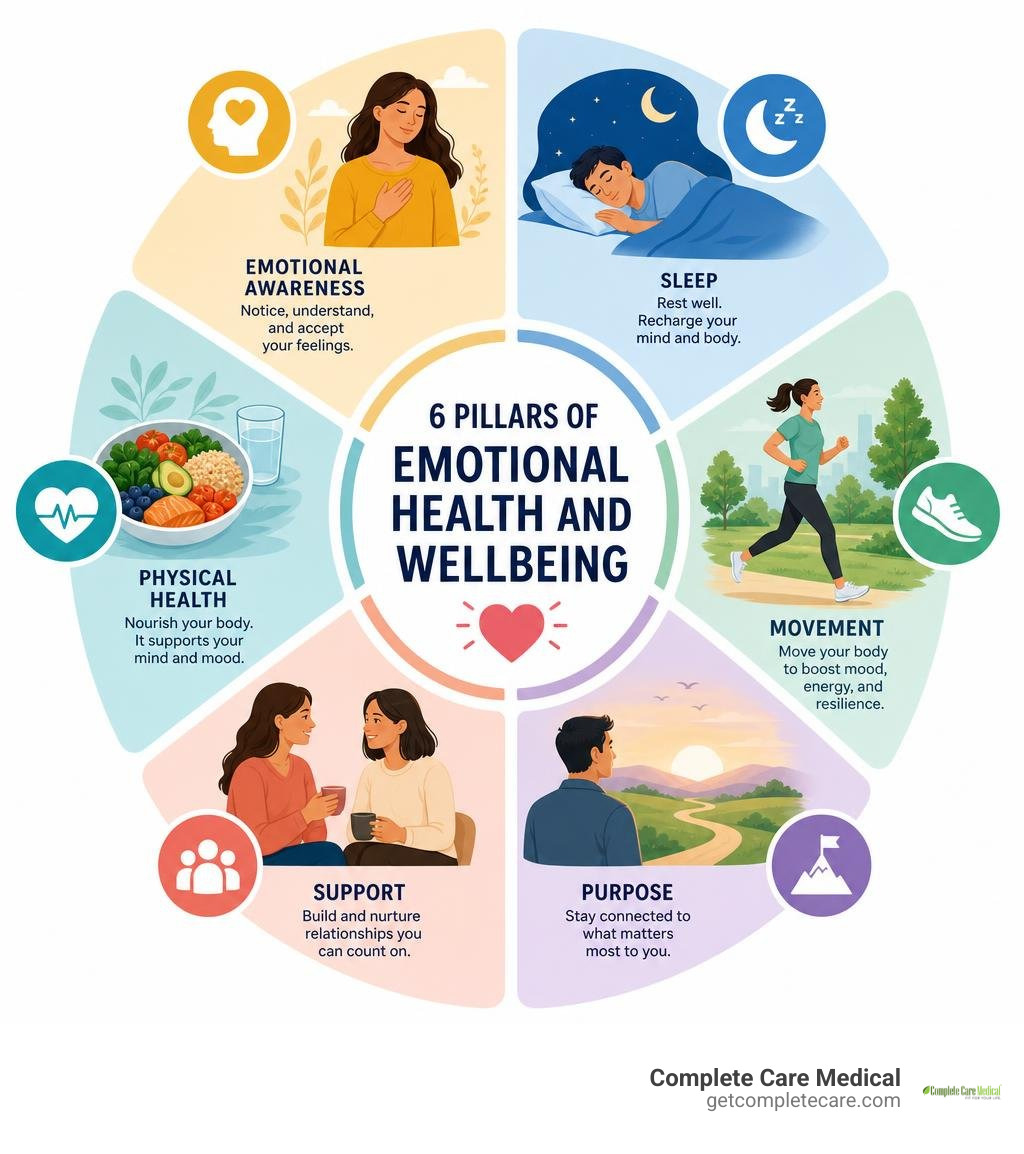
Emotional health and wellbeing is the ability to notice, understand, and manage your feelings in constructive ways while staying connected to purpose, relationships, and daily life. It does not mean feeling happy all the time. It means having skills to cope with stress, handle difficult emotions, ask for support, and recover after setbacks.
Good emotional wellbeing supports the whole person. Research links positive qualities such as optimism, purpose, and strong social ties with better heart health, while ongoing depression, anxiety, chronic stress, and isolation can raise health risks. More than a billion people worldwide live with a mental health condition, but emotional health is relevant to everyone - including people who do not have a diagnosed condition.
Small, steady habits can help: move your body, protect your sleep, name what you feel, stay in touch with supportive people, and take a few quiet moments to reset. Even a daily 30-minute walk can support mood and physical health.
With more than 30 years of experience helping individuals and families navigate healthcare decisions, Complete Care Medical is committed to providing accessible, personalized care that supports overall health and well-being. Recognizing the close connection between emotional and physical health is an important part of this whole-person approach. Through compassionate support and practical education, Complete Care Medical strives to help individuals and caregivers prioritize their emotional well-being, manage everyday challenges, and improve their overall quality of life.
Emotional health and wellbeing terms to remember:
- Mind-Body Connection: How Stress Affects Recovery and Health Outcomes
- Staying Social as You Age: How Connection Impacts Health More Than You Think
- dimensions of wellness
The Mind-Body Science of Emotional Health and Wellbeing
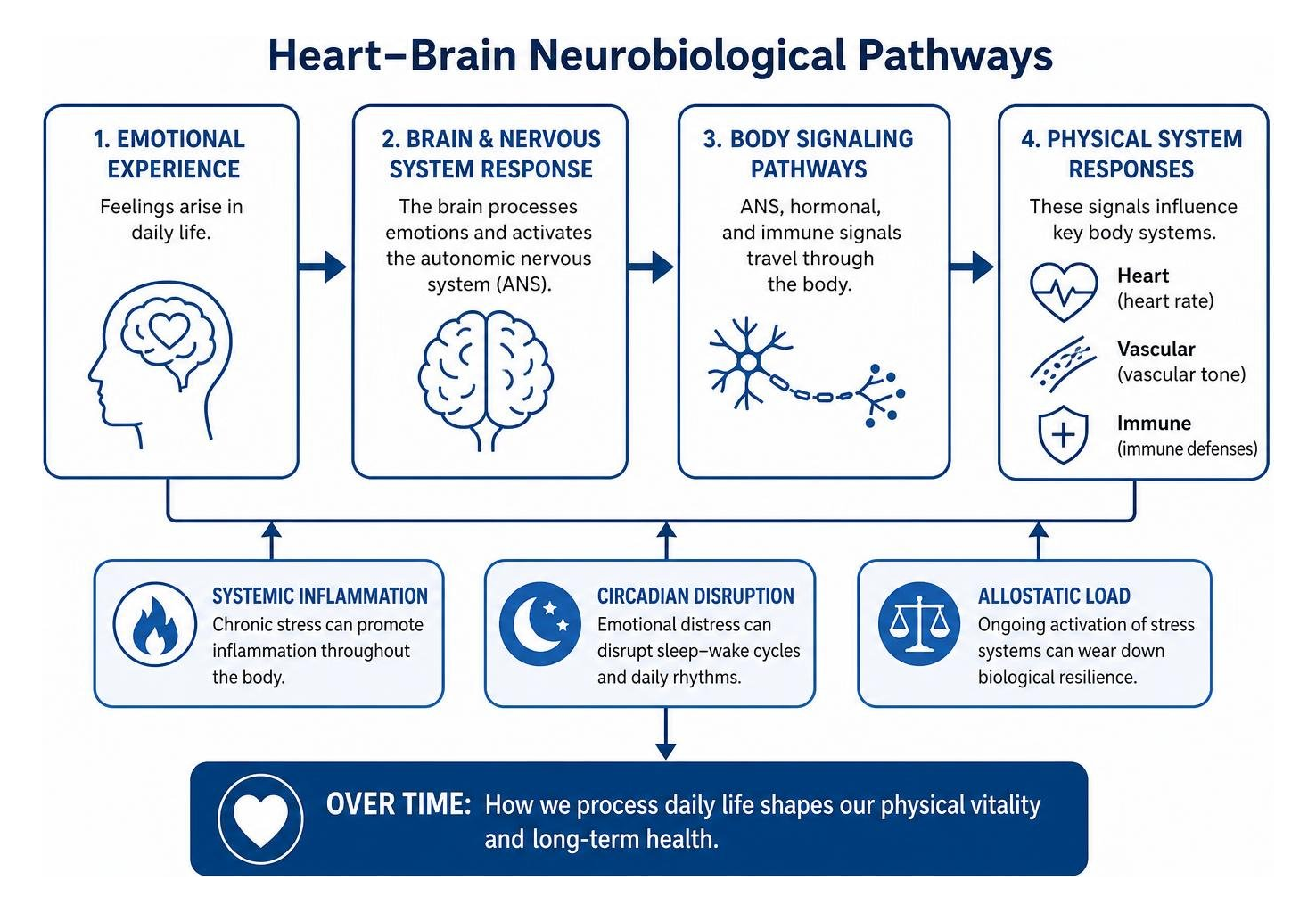
The human body does not separate mental experiences from physical operations. When we experience emotional distress, our central nervous system triggers neurobiological pathways that influence heart rate, vascular tone, and immune defenses.
Emotions function much like internal weather patterns—they shift constantly, but chronic storms wear down biological systems. Through the autonomic nervous system, systemic inflammation, and circadian signaling, how we process daily life shapes our physical vitality.
Core Dimensions of Emotional Health and Wellbeing vs. Mental Illness
Emotional wellbeing is distinct from simply lacking a diagnosed psychiatric disorder. While clinical mental illness involves persistent functional impairment, emotional health reflects our capacity for self-regulation, curiosity, and psychological flexibility across the various dimensions of wellness.
According to CDC research on emotional well-being, positive emotional attributes actively lower disease risks, boost immunity, and accelerate physical recovery. Having a clear sense of purpose, practicing optimism, and cultivating gratitude generate physiological resilience.
| Positive Emotional Trait | Physiological Mechanism | Observable Health Marker |
|---|---|---|
| Optimism | Reduced sympathetic reactivity | 35% lower risk of incident cardiovascular events |
| Sense of Purpose | Enhanced cellular repair | 17% lower all-cause mortality and heart complications |
| Gratitude Practice | Improved vagal nerve tone | Lower systolic blood pressure and heart rate variability balance |
| Emotional Regulation | Attenuated systemic inflammation | Reduced circulating inflammatory cytokines |
Biological Pathways: Cardiovascular Risk, Stress Hormones, and Longevity
The biological bridge between heart and mind relies heavily on the hypothalamic-pituitary-adrenal (HPA) axis and the vagus nerve. When psychological strain becomes continuous, excess cortisol release and elevated catecholamines damage endothelial linings and elevate blood pressure. Knowing how to master mind-body connection with 5 easy tips helps regulate these autonomic responses.
As highlighted in scientific research on the hallmarks of mental health and healthspan, high subjective wellbeing adds healthy years to our lives by optimizing the gut-brain axis and maintaining neuro-immune balance. Conversely, persistent psychological strain accelerates cellular aging and elevates cardiovascular disease risks.
Psychological Risk Factors: Chronic Stress, Anxiety, and Isolation

Psychological challenges carry measurable physical consequences across global populations:
- Depression: The lifetime prevalence of major depressive disorder in the United States sits at 20.6%, and it is associated with a 30% increased risk of incident coronary heart disease.
- Anxiety Disorders: Affecting over 25% of individuals over their lifetime, chronic anxiety is linked to a 41% higher risk of cardiovascular mortality.
- PTSD: Posttraumatic stress disorder carries a 61% increased risk of coronary heart disease.
- Loneliness: Social isolation increases incident cardiovascular events by 50%.
Understanding why is it important to manage stress empowers us to interrupt these pathways before long-term organ damage takes hold.
Practical Strategies and Clinical Support for Long-Term Wellness

Cultivating emotional strength requires consistent, manageable practices that support our neurological and physical health.
Daily Habits to Strengthen Emotional Health and Wellbeing
Integrating structured tools from the NIH emotional wellness toolkit creates a resilient buffer against life's demands. Consider these core self-care practices:
- Prioritize Sleep Recovery: Maintain 7+ hours of quality sleep nightly in a dark, cool environment while limiting evening blue-light exposure.
- Daily Physical Movement: Just 30 minutes of walking each day stimulates endorphins and stabilizes mood.
- Practice Cognitive Restructuring: Catch self-critical thoughts and reframe them with objective, compassionate language.
- Establish Healthy Boundaries: Say no to excess demands to safeguard personal energy.
- Dedicated Mindfulness: Spend 5 to 10 minutes observing your breath without judgment.
Clinical Interventions, Professional Screening, and Building Resilience
Self-care provides the foundation, but professional guidance is essential when emotional distress persists. If symptoms like sleep disruption, appetite shifts, brain fog, or persistent sadness last for two weeks or more, primary care screening is vital.
Standard assessments like the PHQ-9 (for depression) and GAD-7 (for anxiety) help providers detect challenges early. Evidence-based treatments—including Cognitive Behavioral Therapy (CBT), positive psychology interventions, and structured stress-management programs—rebuild resilience and restore balanced functioning.
Conclusion: Embracing Whole-Person Health
Achieving true vitality means caring for physical, emotional, and social needs together. At Complete Care Medical, we deliver compassionate, personalized healthcare solutions—from insurance-covered urological catheters and breast pumps to nutritional supplements and compression wear—ensuring every individual receives attentive, knowledgeable support.
To expand your personal wellness toolkit, explore our library of educational health and wellness articles designed to help you thrive at every stage of life.