










 800.503.7604
How Anti-Inflammatory Omega-3s Help Calm Cellular Stress
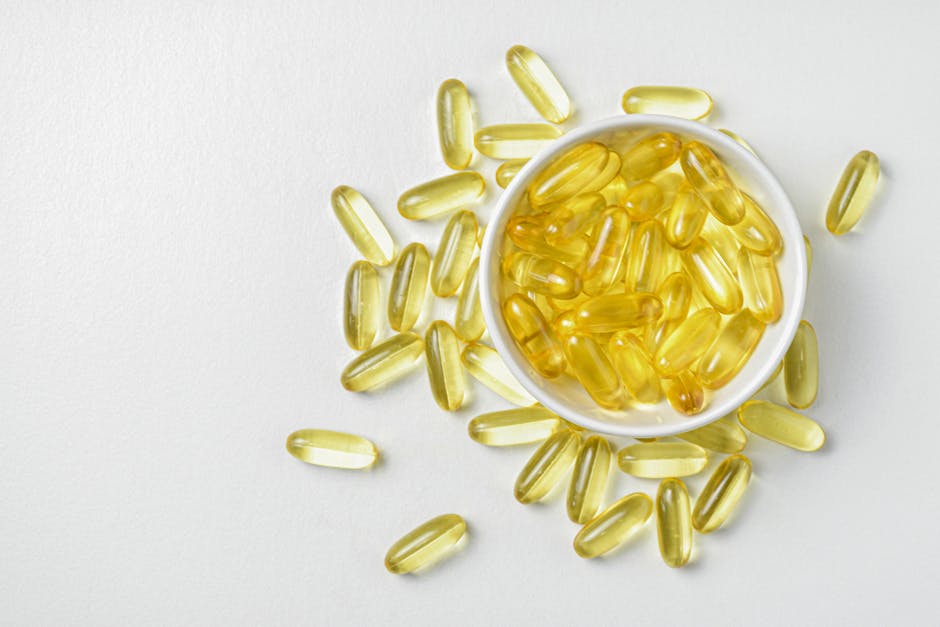
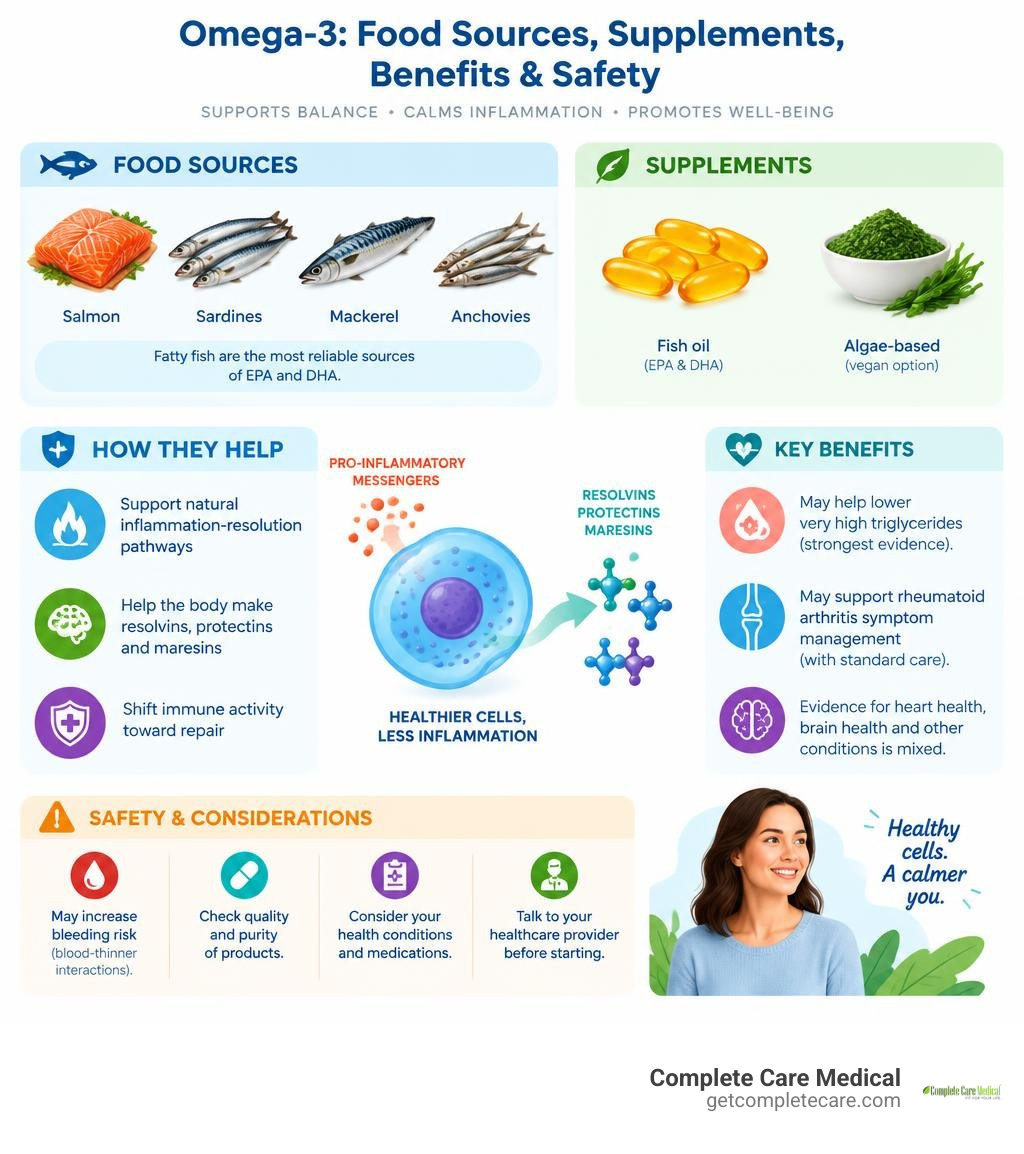
Anti-inflammatory omega 3 fats, especially EPA and DHA, can help the body manage inflammation by supporting its natural inflammation-resolution pathways. The most reliable food sources are fatty fish such as salmon, sardines, mackerel, and anchovies. If you do not eat fish, algae-based EPA/DHA supplements are a practical vegan option.
These fats do not simply "turn off" inflammation, which is an important part of healing. Instead, EPA and DHA help the body make signaling molecules called resolvins, protectins, and maresins. These compounds can help shift immune activity away from prolonged inflammation and toward repair.
Research is strongest for lowering very high triglycerides and supporting rheumatoid arthritis symptom management alongside standard care. Evidence for general inflammation, heart health, brain health, and other chronic conditions is more mixed and depends on the dose, product, diet, and a person's health needs. This guide will help you compare food sources and omega-3 products with realistic expectations, including safety concerns such as blood-thinner interactions.
Complete Care Medical is committed to making healthcare information and product choices easier to navigate for individuals and caregivers. With growing interest in anti-inflammatory omega-3 supplements, understanding their potential benefits, limitations, and differences is essential to making informed decisions. This guide explores the scientific evidence, available supplement options, and key factors to consider when choosing a product that fits your individual health needs.
Cellular Mechanisms and Health Benefits of Anti-Inflammatory Omega 3 Fatty Acids

Chronic, low-grade systemic inflammation acts like a hidden fire at the cellular level. When immune cells face persistent stress, poor nutrition, or environmental triggers, they produce excessive pro-inflammatory chemical messengers. This prolonged state damages healthy tissue, accelerates aging, and drives the progression of metabolic and autoimmune diseases.
Marine omega-3 polyunsaturated fatty acids, namely eicosapentaenoic acid (EPA) and docosahexaenoic acid (DHA), serve as essential structural components of cell membranes. By integrating directly into the phospholipid bilayer, they enhance membrane fluidity, improve nutrient transport, and mitigate oxidative stress. Groundbreaking scientific research on the immunomodulatory actions of fatty acids demonstrates that EPA and DHA possess the most potent immunomodulatory activities among all dietary lipids, orchestrating a profound shift in systemic cytokine production (Simopoulos, 2002).
Resolvins, Cytokines, and Molecular Pathways of Anti-Inflammatory Omega 3 Fats
When your body mounts an inflammatory response, cell membranes release fatty acids to create signaling compounds known as eicosanoids. Historically, Western diets flood cell membranes with arachidonic acid (an omega-6 fatty acid), leading to excessive pro-inflammatory prostaglandins and leukotrienes.
EPA and DHA directly displace arachidonic acid in membrane phospholipids. This biochemical competition inhibits cyclooxygenase (COX-2) and 5-lipoxygenase (5-LOX) enzymatic pathways. Furthermore, EPA and DHA act as direct precursors to specialized pro-resolving mediators (SPMs)—including resolvins, protectins, and maresins. These novel molecules act as cellular peacekeepers, actively clearing dead cellular debris and supercharging macrophages without suppressing normal immune defense.
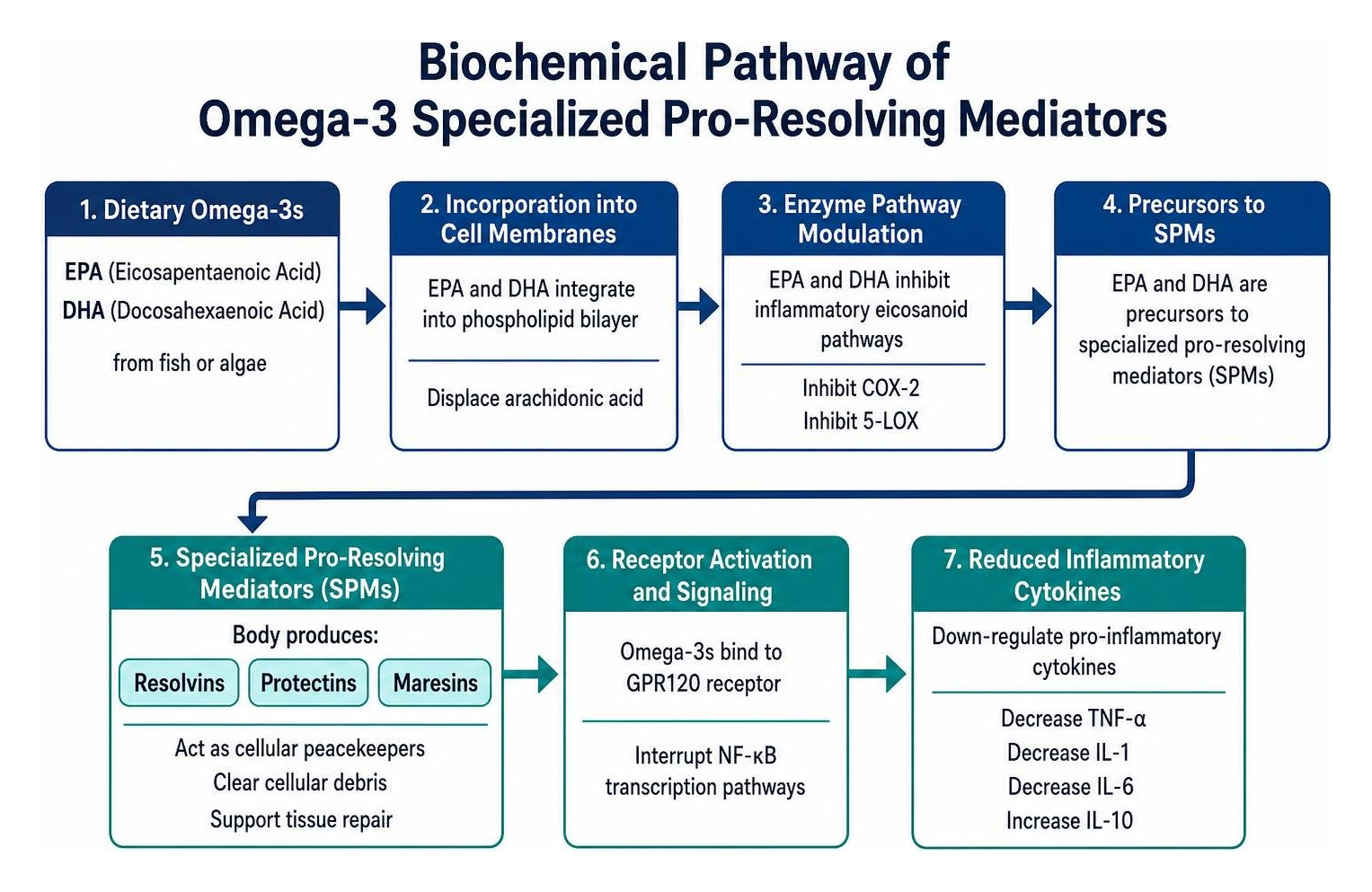
Omega-3 fatty acids also bind to G-protein coupled receptor 120 (GPR120), which interrupts nuclear factor kappa B (NF-κB) transcription pathways. This action significantly down-regulates the production of pro-inflammatory cytokines such as tumor necrosis factor-alpha (TNF-α), interleukin-1 (IL-1), and interleukin-6 (IL-6). In a notable clinical trial on marine omega-3 in obesity and inflammation, daily supplementation combined with an improved fatty acid ratio significantly increased systemic levels of Resolvin D1 and anti-inflammatory IL-10 while driving down pro-inflammatory markers like IL-6 and MCP-1 (Zivkovic et al., 2011).
Managing Autoimmune Disorders and Joint Pain with Anti-Inflammatory Omega 3 Dosing
For individuals navigating chronic autoimmune conditions, managing joint stiffness and systemic flares is a daily priority. In diseases like rheumatoid arthritis (RA), systemic lupus erythematosus (SLE), Crohn's disease, and ulcerative colitis, excessive immune activation damages mucosal linings and synovial membranes.
Clinical trials consistently show that therapeutic doses of EPA and DHA (often exceeding 2.6 grams per day) reduce joint swelling, ease morning stiffness, and suppress key systemic biomarkers including erythrocyte sedimentation rate (ESR) and C-reactive protein (CRP). A comprehensive 2021 analysis of 70 trials revealed that RA patients who incorporated high-potency fish oil supplements alongside standard disease-modifying antirheumatic drugs (DMARDs) achieved clinical remission significantly faster and were frequently able to lower their reliance on nonsteroidal anti-inflammatory drugs (NSAIDs).
Cardiovascular, Metabolic, and Cognitive Support Across the Lifespan
The physiological benefits of marine omega-3s extend across the entire vascular and nervous systems:
- Lipid and Blood Pressure Management: Omega-3s consistently lower serum triglycerides by 15% to 30% at standard doses and up to 45% at therapeutic levels. They promote endothelial nitric oxide release, providing modest blood pressure reductions, especially in moderate-to-severe hypertension.
- Cardiovascular Protection: An updated meta-analysis on marine omega-3 cardiovascular outcomes evaluating 13 randomized trials and over 127,000 participants confirmed significant reductions in myocardial infarction, coronary heart disease mortality, and total cardiovascular disease events, noting linear benefits up to 4,000 mg daily. It is also vital to understand underlying gender-specific cardiovascular risk considerations when customizing cardiovascular prevention strategies.
- Metabolic and Cognitive Health: By stimulating PPAR receptors and activating GPR120, omega-3s improve insulin signaling in metabolic syndrome and type 2 diabetes. Concurrently, DHA maintains neuronal membrane integrity, combating neuroinflammation and supporting lifelong cognitive longevity.
Evaluating the Best Omega-3 Supplements and Dietary Strategies for Inflammation
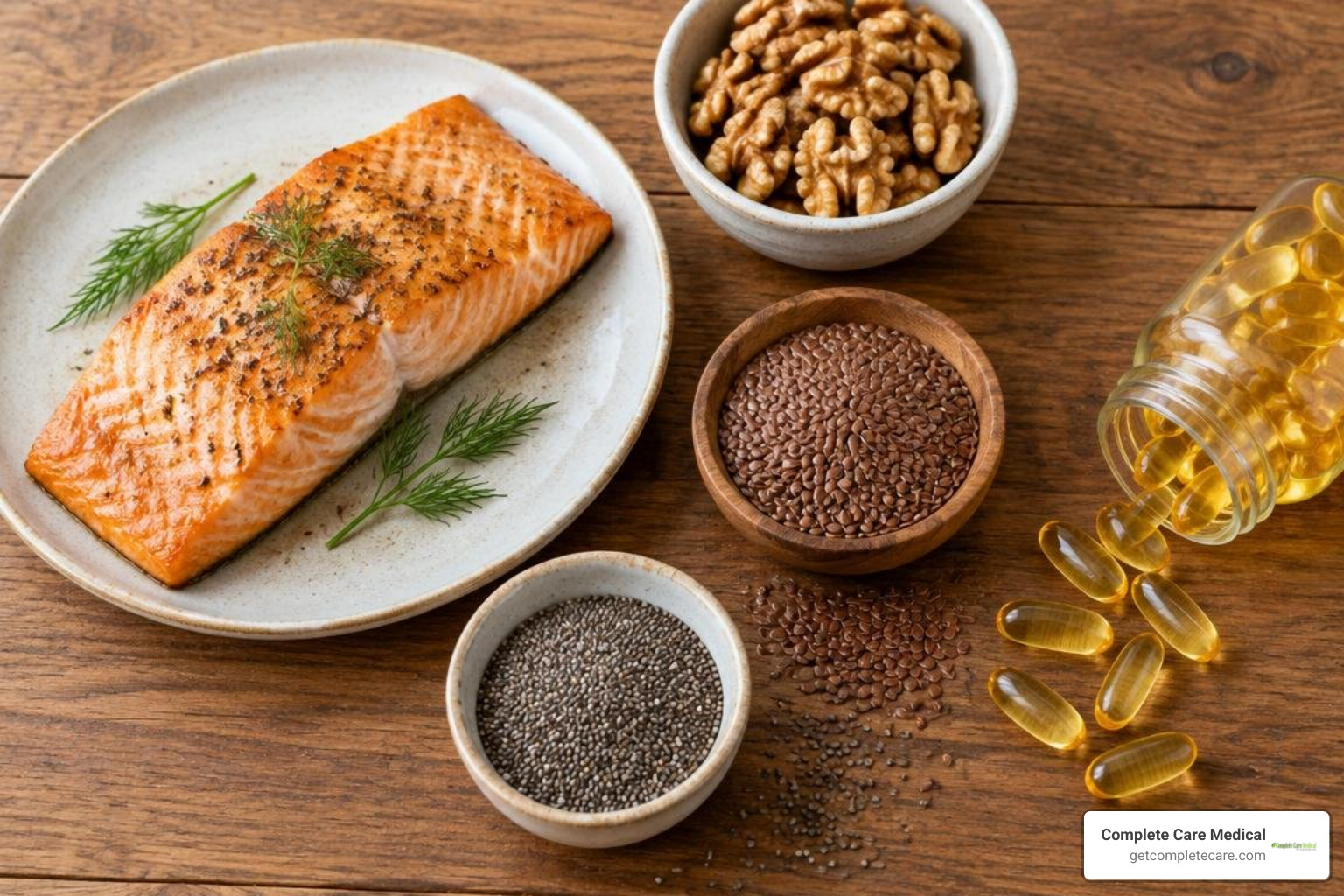
Achieving an optimal cellular state requires balancing whole-food nutrition with targeted, high-potency supplementation. Understanding foundational dietary choices for long-term health ensures your body receives synergistic micronutrients, while concentrated marine oils provide the high milligram doses necessary to resolve active chronic inflammation.
Comparing Marine EPA and DHA Versus Plant-Derived ALA
Not all omega-3 fatty acids behave identically in human biology. Plant sources supply alpha-linolenic acid (ALA), whereas cold-water marine organisms deliver preformed EPA and DHA.
| Fatty Acid Type | Primary Food & Supplement Sources | Human Biological Conversion Rate | Primary Clinical Health Focus |
|---|---|---|---|
| Alpha-Linolenic Acid (ALA) | Flaxseed, chia seeds, walnuts, hemp | <15% to EPA; <0.5% to DHA | Basic energy, general lipid balance |
| Eicosapentaenoic Acid (EPA) | Salmon, sardines, mackerel, fish oil | Direct biological utilization | Potent anti-inflammatory signaling, mood |
| Docosahexaenoic Acid (DHA) | Fatty fish, calamari, microalgae oil | Direct biological utilization | Brain structural health, eye & nerve function |
Because the liver's enzymatic desaturation process converts less than 15% of ALA to EPA and negligible amounts to DHA, relying solely on plant foods makes therapeutic anti-inflammatory dosing difficult. Incorporating plant options like virgin cold-pressed flaxseed oil provides valuable lignans and cardioprotective ALA, but direct marine EPA/DHA sources remain the gold standard for clinical inflammation management.
Recommended Daily Dosages, Safety Thresholds, and Drug Interactions
For general wellness, health organizations recommend consuming at least 250 mg to 500 mg of combined EPA and DHA daily, achievable through two 3.5-ounce servings of fatty fish weekly. However, managing hypertriglyceridemia, active arthritis, or autoimmune inflammation typically requires 2,000 mg to 4,000 mg of pure EPA/DHA daily.
As detailed in the StatPearls clinical review of omega-3 pharmacology, the FDA recognizes up to 3,000 mg daily of combined EPA and DHA as Generally Recognized as Safe (GRAS), advising that over-the-counter supplements not exceed 2,000 mg daily without medical supervision (NBK564314).
Important Medication Interactions
Because high-dose omega-3s possess natural antiplatelet and vasodilatory properties, consult your prescribing physician if you take:
- Anticoagulants and Antiplatelets (e.g., Warfarin, Clopidogrel, Aspirin): High doses may modestly prolong bleeding time.
- Antihypertensive Medications: Omega-3s can provide additive blood-pressure-lowering effects.
- Weight-Loss Medications (e.g., Orlistat): Separate administration by at least two hours to prevent impaired fatty acid absorption.
- High-Dose Vitamin E Supplements: Combined usage may compound antithrombotic activity.
Quality Supplement Formulations and Actionable Dietary Guidance
When choosing a supplement, look beyond the total fish oil weight on the front label and inspect the actual milligrams of EPA and DHA per serving. Prioritize formulas utilizing re-esterified triglyceride (rTG) forms for superior bioavailability over synthetic ethyl esters. To prevent common issues like reflux or fishy aftertaste, select enteric-coated softgels and take them with a fat-containing meal.
Verify product freshness by checking third-party certifications (such as IFOS, USP, or NSF) that validate low total oxidation (TOTOX < 26 meq/kg) and ensure the absence of heavy metals like mercury and PCBs.
At Complete Care Medical, we are dedicated to empowering your journey toward vibrant vitality. Whether you are adding high-potency omega max supplements or purified marine fish oils to your daily routine, our team simplifies wellness by providing reliable, high-grade solutions. Discover our full range of doctor-vetted nutritional support by exploring our curated health and wellness collection today.
Scientific References
Zivkovic AM, Telis N, German JB, Hammock BD. "Dietary omega-3 fatty acids aid in the modulation of inflammation and metabolic health.." California agriculture, 2011. PMCID PMC4030645. Simopoulos AP. "Omega-3 fatty acids in inflammation and autoimmune diseases.." Journal of the American College of Nutrition, 2002. PMID 12480795. NBK564314.