











 800.503.7604
Why Understanding Vitamins and Supplements Matters for Your Health
Vitamins and supplements are essential nutrients that support your body's daily functions, but knowing which ones you need—and which ones you don't—can feel overwhelming. Here's what you need to know:
Key Facts About Vitamins and Supplements:
- Vitamins are nutrients your body needs in small amounts to function properly
- Supplements are products that contain vitamins, minerals, or other nutrients
- Water-soluble vitamins (B-complex, C) need daily replenishment
- Fat-soluble vitamins (A, D, E, K) are stored in your body and can build up
- 46% of Americans fall below magnesium requirements
- Most studies show multivitamins don't reduce risk of heart disease or cancer
The truth is, you might not need as many supplements as you think. Research shows that many people can get most nutrients from food alone. But certain groups, like pregnant women, older adults, and vegans, may benefit from targeted supplementation.
The biggest challenge? Separating marketing hype from real science. With hundreds of products on store shelves and conflicting advice online, it's hard to know what actually works.

Vitamins and Supplements 101: What, Why, and How
Vitamins and supplements aren't the same thing, even though most people use these terms interchangeably. Think of vitamins as the essential nutrients your body desperately needs but can't make enough of on its own. Supplements are the delivery vehicles—those pills, powders, and liquids that carry vitamins, minerals, and other nutrients to your system.
Your body requires 13 essential vitamins and at least 16 minerals just to keep functioning. These nutrients manage everything from your energy levels to your immune system to keeping your bones strong.
The Recommended Daily Allowance (RDA) represents how much of each nutrient most people need to avoid deficiency. But many nutrition experts have concerns with RDAs because they're designed to prevent deficiency, not help you thrive. There's also the Upper Limit (UL)—the maximum amount you can safely take daily without risking toxicity.
| Nutrient | RDA (Adults) | Upper Limit | Signs of Deficiency |
|---|---|---|---|
| Vitamin D | 600-800 IU | 4,000 IU | Bone pain, muscle weakness, fatigue |
| Iron | 8-18 mg | 45 mg | Fatigue, brittle nails, restless legs |
| Zinc | 8-11 mg | 40 mg | Slow wound healing, hair loss, frequent infections |
Water-Soluble vs Fat-Soluble Vitamins and Supplements — Absorption Basics
Understanding how your body handles different vitamins makes all the difference in whether supplementation works effectively.
Water-soluble vitamins include all eight B vitamins plus vitamin C. They dissolve in water and don't get stored well in your body. Since you constantly eliminate excess amounts through urine, you need to replenish them regularly—ideally every day. You can take these with or without food, though B vitamins are energizing and work best taken in the morning.
Fat-soluble vitamins (A, D, E, K) need dietary fat to get absorbed properly. Once absorbed, they're stored in your liver and fatty tissues. This storage system means you don't need them daily, but they can build up to dangerous levels if you overdo it.

For best absorption of fat-soluble vitamins, pair them with meals containing healthy fats like avocado, nuts, or olive oil. Even a glass of milk provides enough fat to help your body absorb these nutrients effectively.
Are Multivitamins Necessary? Sorting Facts from Myths about Vitamins and Supplements
The multivitamin industry is worth billions, but the science is surprisingly underwhelming. Multiple studies show that multivitamins don't reduce the risk of memory loss, heart disease, or cancer in healthy adults.
A comprehensive analysis of 185 prospective studies and 58 clinical trials found that most multivitamins don't provide significant health benefits for the general population.
However, multivitamins aren't completely useless. They can help fill nutritional gaps for people with specific needs. Pregnant women benefit from prenatal vitamins containing folic acid. Adults over 50 may need B12 supplementation since aging affects absorption. Vegans often require B12, iron, and omega-3 supplements.
Think of multivitamins as insurance policies, not magic bullets. They're most helpful when your diet isn't consistently nutritious, but they can't replace whole foods.
Spotting Deficiencies Early: From Lab Tests to Telltale Symptoms
Your body sends distress signals when running low on essential nutrients. Fatigue and weakness often indicate iron, B12, or vitamin D deficiency. Brittle hair and nails might point to biotin or iron deficiency. Frequent illness could signal low zinc, vitamin C, or vitamin D. Slow wound healing often relates to vitamin C or zinc deficiency.
The statistics are eye-opening: 46% of Americans fall below magnesium requirements, and vitamin D deficiency is widespread. These aren't rare conditions—they're common nutritional gaps affecting millions.
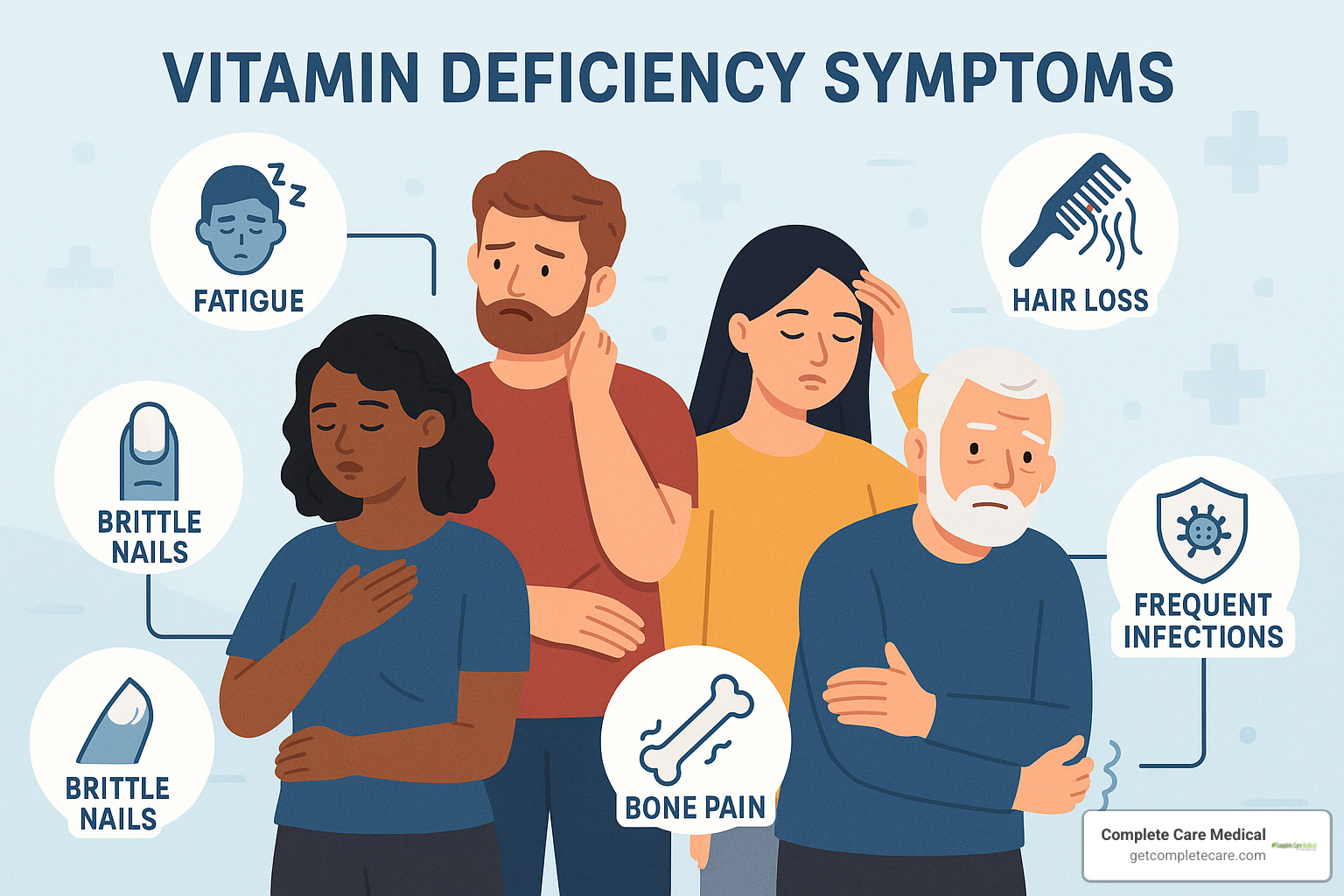
Blood tests can provide definitive answers about nutritional status. Standard panels typically include vitamin D, B12, iron, and folate levels.
For comprehensive insights on how nutrition affects wellness, check out our guide on the role of nutrition in promoting wellness.
Benefits & Risks of Popular Picks (Vitamin D, Omega-3, Probiotics)
Vitamin D supports bone health, immune function, and may reduce certain cancer risks. Research shows that adequate vitamin D levels help immune responses and may reduce respiratory infections. You can explore more in the scientific literature on vitamin D and immune function. The safe upper limit is 4,000 IU daily, with most people doing well on 1,000-2,000 IU during winter months.
Omega-3 fatty acids from fish oil have solid research backing their benefits for heart health and brain function. These essential fats reduce inflammation and support cardiovascular health. The FDA recommends keeping combined EPA and DHA intake under 2 grams daily. If you don't eat fish regularly, supplements can be helpful.
Probiotics are live bacteria that may support digestive and immune health. Different strains have different effects, and what works for one person might not work for another. Food sources like yogurt and sauerkraut often provide more diverse bacterial strains than supplements.
Putting It All Together: Your Personalized Supplement Plan
Creating an effective supplement routine isn't about taking everything advertised—it's about identifying your specific needs and choosing high-quality products. At Complete Care Medical, we've helped thousands develop personalized approaches to vitamins and supplements that fit their lifestyles and health goals.
Think of supplements as supporting actors, not main stars. Your diet, exercise, sleep, and stress management are the leading players. Vitamins and supplements fill gaps and provide extra support where needed most.
Start with honest self-assessment. Consider your diet, lifestyle, health conditions, and life stage. A 25-year-old athlete has different needs than a 65-year-old retiree or pregnant woman.
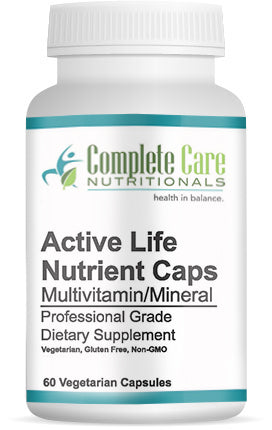
Begin with basics: a high-quality multivitamin provides insurance against nutritional gaps. From there, add targeted supplements based on specific needs or deficiencies identified through lab work.
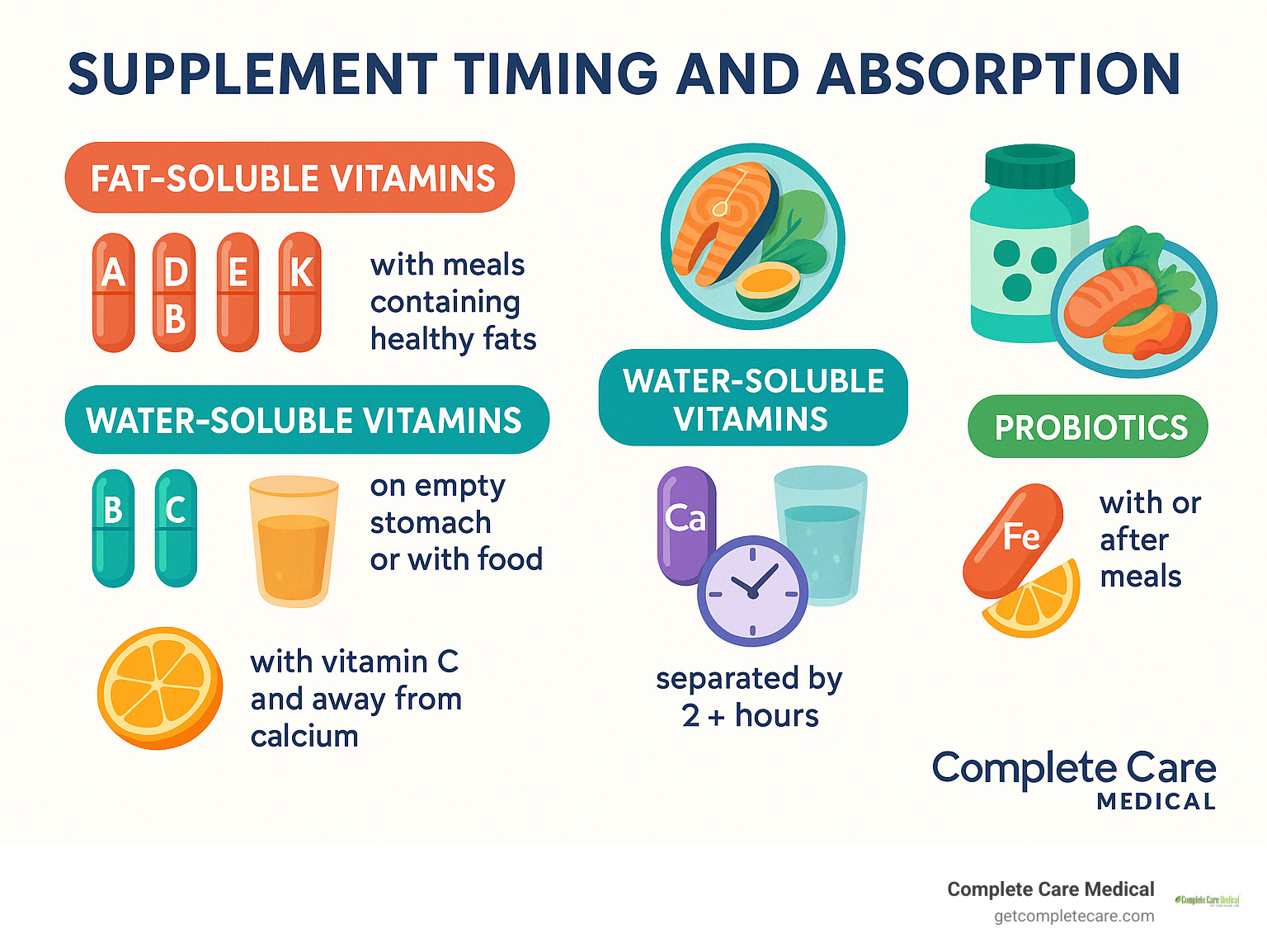
Timing matters for optimal absorption. Take fat-soluble vitamins with meals containing healthy fats. Water-soluble vitamins can be taken anytime, but B vitamins may be energizing, so morning works better. Separate calcium and magnesium by at least two hours to avoid absorption competition. Take iron with vitamin C and away from calcium or coffee.
Choosing High-Quality Products and Avoiding Pitfalls
The supplement industry is largely unregulated, so quality varies dramatically between brands. Unlike prescription medications, the FDA doesn't approve dietary supplements before they hit the market.
Look for third-party testing from organizations like NSF, USP, or ConsumerLab. These certifications verify that products contain what labels claim and are free from harmful contaminants. Transparent labeling is essential; you should see clear ingredient lists with amounts and forms of each nutrient.
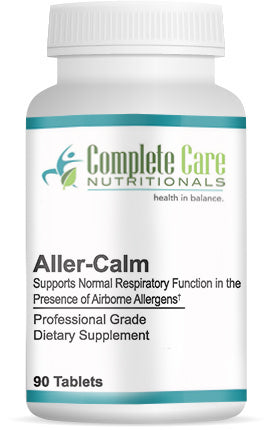
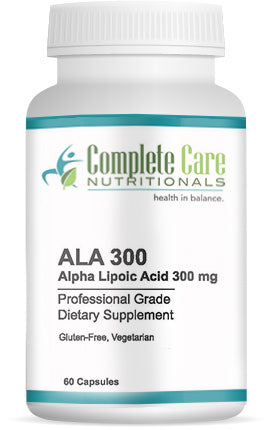
At Complete Care Medical, we've curated our nutritional supplement line to meet high standards. Our top-selling supplements represent products our customers trust.
Red flags to avoid include outrageous health claims like "miracle cure." Extremely low prices often indicate poor quality. Be wary of companies with no contact information, and avoid products with no ingredient lists.
Drug interactions are serious considerations. Some vitamins and supplements interfere with prescription medications. Vitamin K can reduce blood thinner effectiveness, while calcium can interfere with certain antibiotics.
When to Talk to Your Doctor and Where to Learn More About Vitamins and Supplements
While many vitamins and supplements are safe, certain situations require professional guidance. Definitely consult your healthcare provider if you take prescription medications, have chronic health conditions, are pregnant or breastfeeding, or are considering high-dose supplements.
Lab work provides valuable insights into nutritional status. Tests for vitamin D, B12, iron, and folate can identify deficiencies that aren't obvious from symptoms alone.
Life stage considerations play huge roles in supplement needs. Pregnancy requires folic acid, iron, and DHA. Aging brings challenges like decreased B12 absorption. Menopause makes calcium and vitamin D more important for bone health.
Special dietary patterns also require attention. Vegans need B12, iron, and omega-3 supplements. People with celiac disease may need multiple nutrients due to absorption issues.
For comprehensive guidance on healthy aging and nutrition, explore our article on the keys to healthy aging and eating. The goal isn't taking as many supplements as possible—it's taking the right ones for your unique situation.
Your Next Steps
The world of vitamins and supplements doesn't have to feel overwhelming once you understand the basics. Your foundation should always be a varied diet packed with colorful fruits, vegetables, whole grains, and lean proteins. These foods provide nutrients in forms your body recognizes and uses efficiently.
That's where a high-quality multivitamin acts as your nutritional safety net. It won't undo poor eating, but it can help fill gaps when life gets busy. From there, add targeted supplements based on what your body actually needs, not what the latest health influencer promotes.
Supplements are meant to supplement, not replace, a healthy lifestyle. The most powerful "supplement" is often improving your sleep, moving regularly, and managing stress. These fundamentals create the foundation that allows nutrients to do their best work.
At Complete Care Medical, we've spent nearly two decades helping customers make informed health and wellness decisions. Whether you're navigating insurance coverage for medical supplies or choosing nutritional supplements, we believe in providing personalized service and expert guidance because you're never just a number to us.
The journey to optimal health is deeply personal, and there's no cookie-cutter approach to vitamins and supplements. Take time to understand your body's unique signals, invest in quality products from reputable sources, and don't hesitate to seek professional guidance when needed.
Your health is your most valuable asset, and like any good investment, it deserves thoughtful attention and quality choices. Start where you are, use what you've learned, and take it one step at a time. Your future self will thank you for the care you show your body today.