






 800.503.7604
Your Ultimate Guide to Compression Products
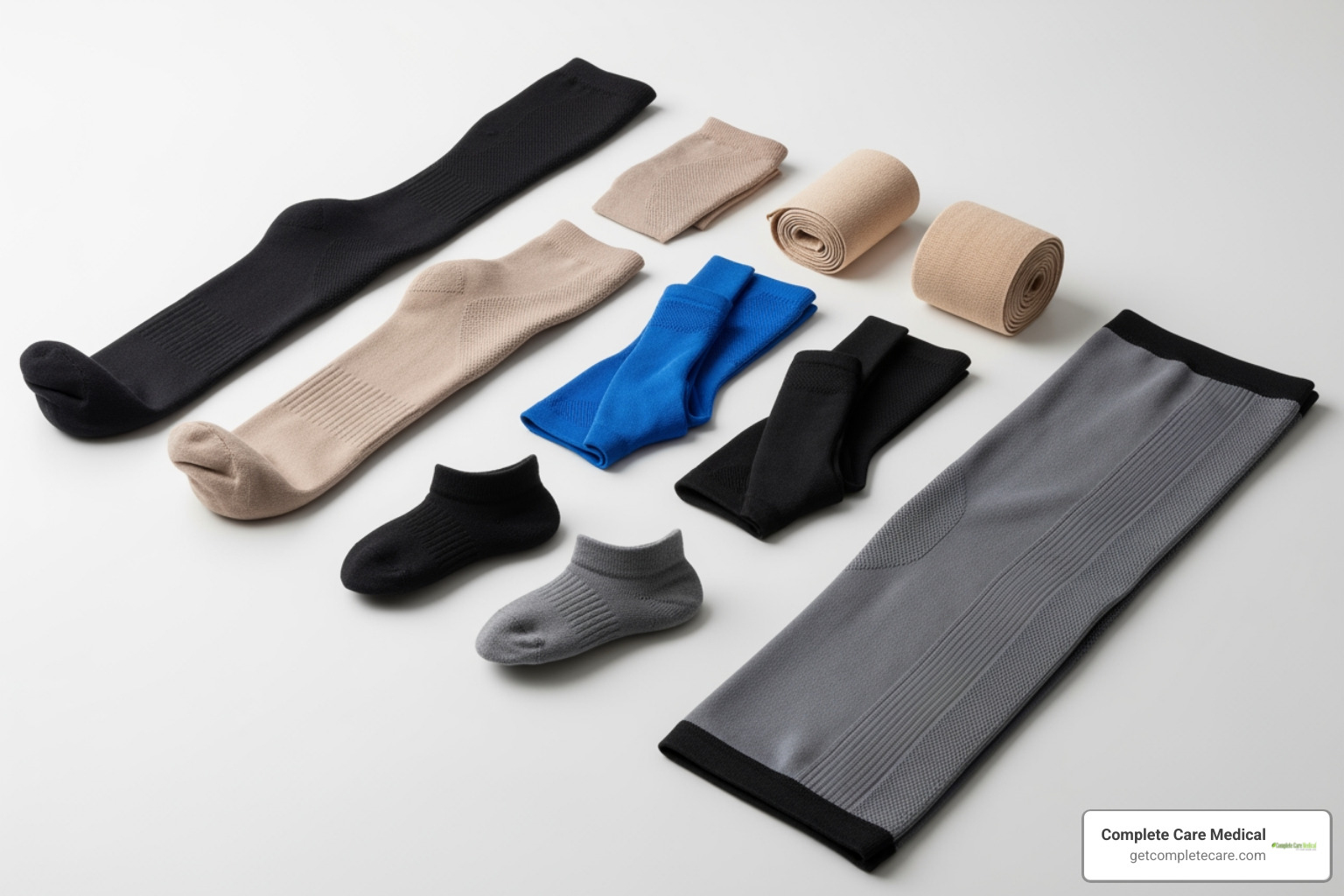
Compression products are specialized garments that apply graduated pressure to your body to improve circulation, reduce swelling, and support recovery. From everyday socks for travelers to medical-grade wraps for lymphedema, they use controlled pressure to help push blood and lymph fluid back toward your heart.
Quick Overview: Types of Compression Products
| Product Type | Primary Use | Common Compression Level |
|---|---|---|
| Compression Socks | Travel, circulation, varicose veins | 8-30 mmHg |
| Compression Sleeves | Athletic recovery, arm/leg support | 15-30 mmHg |
| Compression Bandages | Wound care, lymphedema treatment | 20-40+ mmHg |
| Medical Shapewear | Post-surgical support, body contouring | 20-40 mmHg |
| Compression Wraps | Adjustable edema management | 30-40 mmHg |
The compression therapy market is growing, reflecting a wider awareness of its benefits. Whether you're an athlete, a traveler, or managing a medical condition, compression offers proven advantages.
This guide will walk you through the science behind compression, help you identify which type suits your needs, explain the difference between medical-grade and athletic compression, and show you how to choose the right fit for optimal results.
At Complete Care Medical, with over two decades of experience, we've seen how the right compression garment can dramatically improve quality of life for both medical and wellness needs.
Understanding the Power of Compression
Have you ever wondered what happens when you slip into a snug pair of compression products? It's not magic, but science. The controlled pressure they apply encourages your body's natural processes, helping you feel better, recover faster, and perform at your peak.
The Science Behind the Squeeze: How Compression Therapy Works
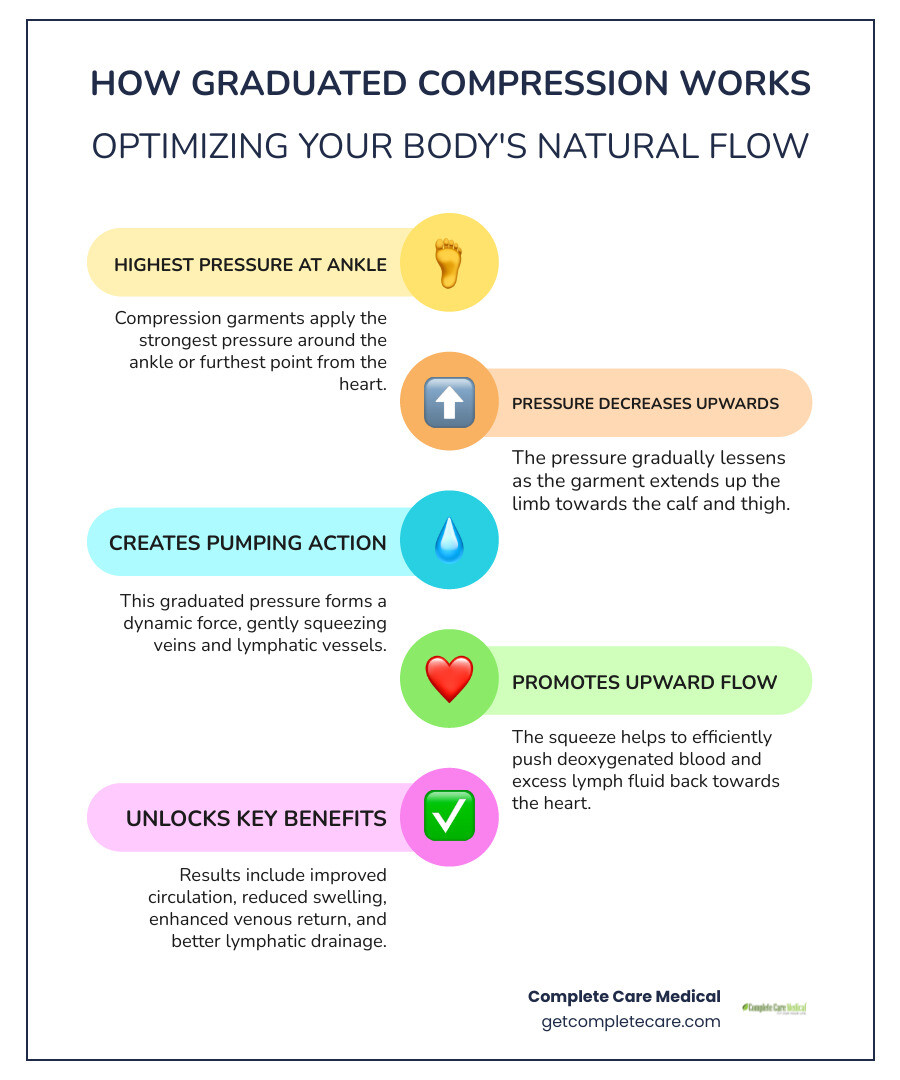
At the heart of compression therapy is graduated pressure. This means the garment is tighter at the extremity (like your ankle) and gradually looser as it moves up your limb. This design creates a gentle squeeze that helps push fluids in the right direction.
Here's how it breaks down:
- Improved Circulation: Compression supports veins and their one-way valves, helping blood flow back to the heart. This improves venous return and prevents blood from pooling in the lower legs.
- Reduced Swelling (Edema): By promoting better blood and lymph flow, compression reduces fluid buildup in tissues. This is key for managing lymphedema, post-surgical swelling, and injuries.
- Muscle Stabilization: For athletes, compression garments stabilize muscles during activity, reducing vibration. This can lead to less muscle damage, fatigue, and soreness.
- Pain Relief: By reducing inflammation and supporting joints, the improved circulation from compression can alleviate pain from conditions like arthritis. You can learn more about how compression actually work for arthritis.
In short, compression products act as an external circulatory assistant, making your body's natural processes more efficient.
Who Can Benefit from Compression Wear?
The reach of compression therapy is surprisingly broad. If you've ever felt tired legs after a long day, you might be a candidate!
Here's a look at who can benefit:
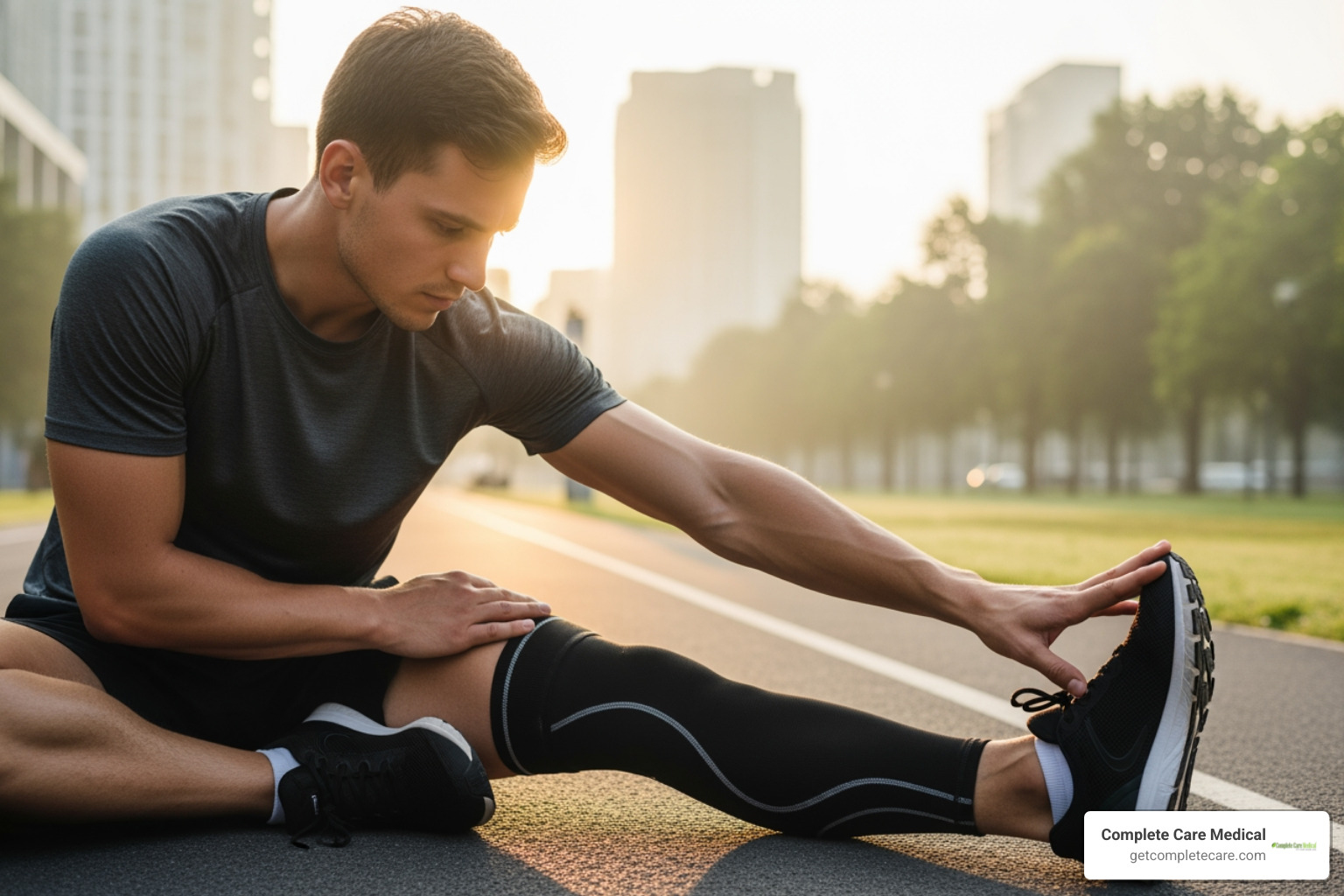
- Athletes and Fitness Enthusiasts: Athletes use compression to boost performance, reduce muscle soreness, and speed up recovery by improving oxygen delivery to muscles. We've seen how compression sleeves help athletes in recovery.
- Travelers: Travelers wear compression socks on long trips to maintain circulation, reducing swollen ankles and the risk of Deep Vein Thrombosis (DVT).
- Pregnant Women: Pregnant women find relief from swollen legs and feet with supportive compression socks.
- Those with Medical Needs: Compression is a key therapy for lymphedema, venous insufficiency, and varicose veins. It's also crucial for post-surgical patients to reduce swelling, support healing, and prevent DVT.
- Workers on Their Feet: People who stand all day, like nurses and retail workers, use compression to reduce leg fatigue.
- Elderly Individuals: Older adults can use compression to support declining circulation and reduce lower limb swelling.
Many people find that everyday compression products simply make their legs feel lighter and more energized.
A Look at Different Types of Compression Products
There's a wide variety of compression products designed for specific needs and body parts.
- Compression Socks and Stockings: These range from ankle to thigh-high and are ideal for lower leg circulation, swelling, and varicose veins.
- Compression Sleeves: Sleeves for arms, calves, or knees provide targeted support for athletics or conditions like tennis elbow.
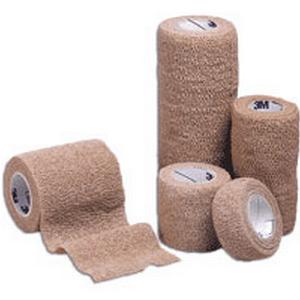
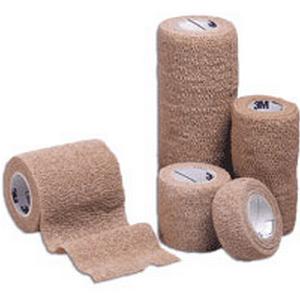
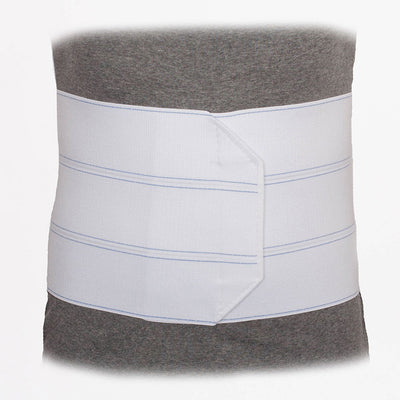
- Compression Bandages and Wraps: Used in medical settings for lymphedema or wound care, these offer adjustable compression, ideal for fluctuating edema.
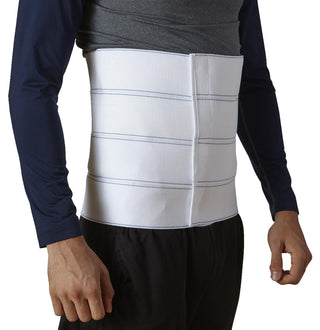
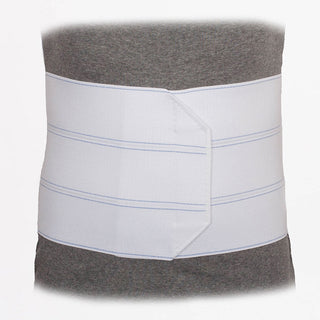
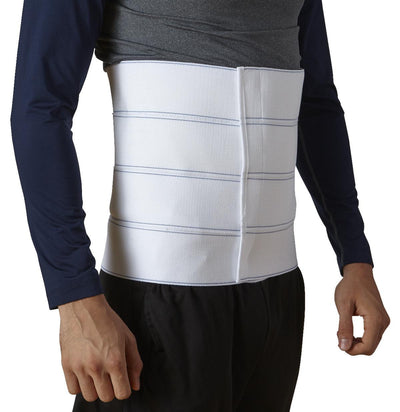
- Medical Shapewear and Post-Surgical Garments: These garments target the torso or limbs post-surgery (e.g., liposuction) to reduce swelling and support healing.
- Compression Apparel (Shirts, Shorts, Leggings): Full-body athletic apparel offers broad support for performance and recovery during exercise.
Each type is designed with specific therapeutic goals in mind. To dig deeper, we invite you to read our article on compression for different body parts and how they can help.
Medical vs. Athletic: Choosing the Right Compression Level
Understanding the difference between medical-grade and athletic compression products is crucial. The key is the pressure level, measured in millimeters of mercury (mmHg).
-
Medical-Grade Compression:
- Higher Pressure: Offers higher, precise pressure (20-50+ mmHg) for serious medical conditions.
- Prescription Often Required: Levels above 30-40 mmHg often require a prescription, as improper use can be harmful.
- Uses: Used for lymphedema, venous insufficiency, DVT management, and post-surgical swelling.
- Fitting: Requires professional fitting to ensure safety and effectiveness.
-
Athletic or General Wellness Compression:
- Lower Pressure: Provides lighter compression (8-20 mmHg).
- Over-the-Counter: Widely available without a prescription.
- Uses: For athletic performance, recovery, everyday fatigue, and mild travel-related swelling.
- Fit: Sizing is based on manufacturer guidelines, not professional fitting.
It's vital to consult your physician if you have a medical condition or are unsure which compression level is right for you. They can assess your needs and provide guidance on the appropriate medical compression garments.
How to Choose and Use Your Garments for Maximum Benefit
Choosing the right compression products is simple with the right information. From proper fitting to understanding fabric innovations, a little knowledge goes a long way in maximizing the benefits.
Finding Your Perfect Fit: Key Features of Compression Products
The effectiveness of any compression product hinges on its fit. Too loose, and it won't provide pressure; too tight, and it can be uncomfortable or even harmful.
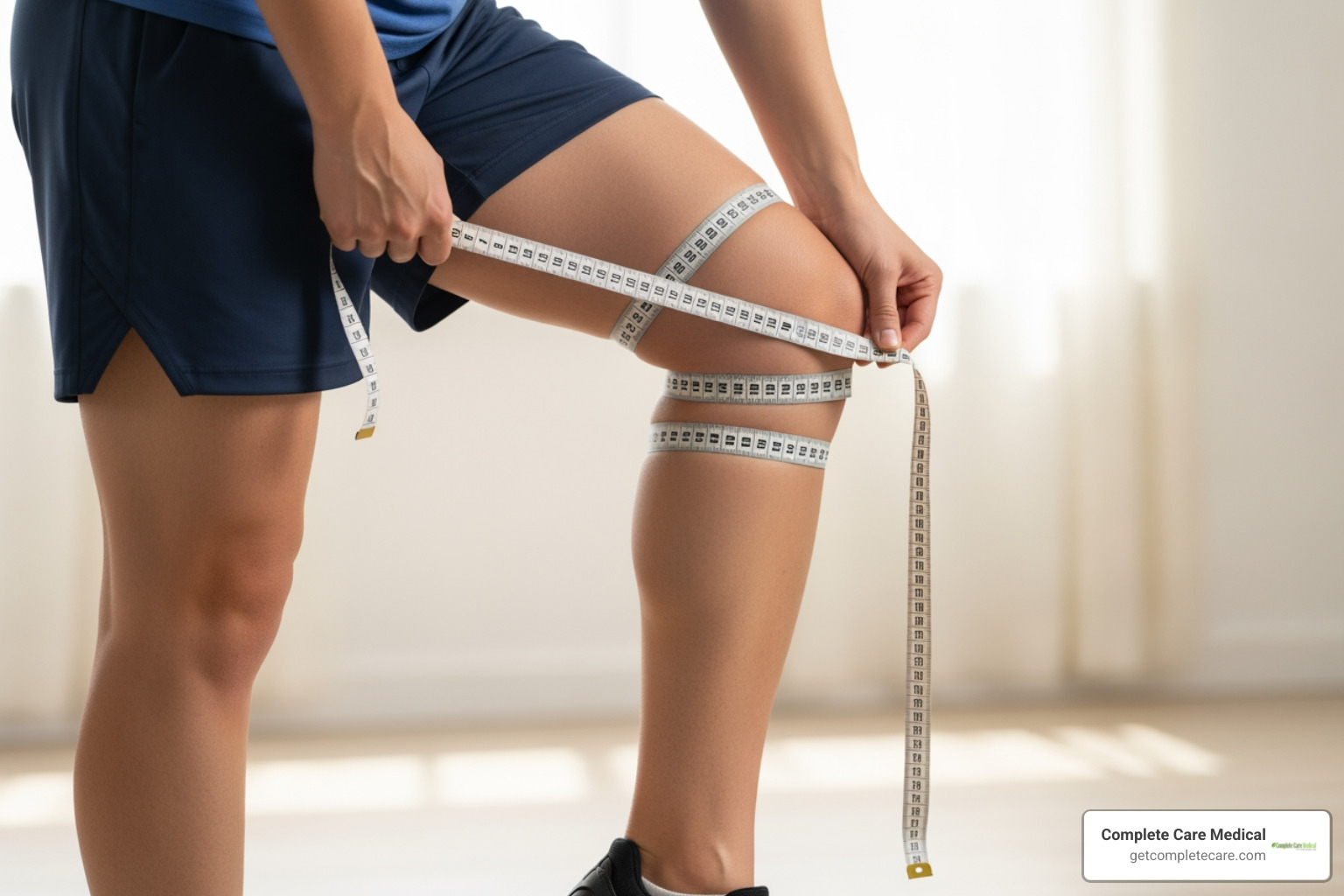
Here’s what to look for:
- Proper Measurement is Non-Negotiable: Proper measurement is critical. For medical-grade items, a professional should take precise morning measurements (ankle, calf, etc.) when swelling is minimal.
- Correct Fit: The garment should fit smoothly without wrinkles or bunching. It should feel snug but comfortable, never causing pain or numbness.
- Material and Fabric Technology: Look for modern, durable fabrics that are breathable, moisture-wicking, and seamless to prevent irritation. Some offer anti-odor features for daily wear.
- Compression Level (mmHg): Match the mmHg level to your needs—lower for general wellness and athletics, higher for medical conditions (always under professional guidance).
- Style and Aesthetics: Modern compression wear comes in many colors and styles, so you can choose a look you feel confident in.
When considering these features, the right fit, compression level, and material are key to achieving optimal results.
Integrating Compression into Your Wellness and Recovery Routine
Incorporating compression products into your daily life can be a game-changer for managing a condition, recovering from surgery, or aiming for better overall wellness.
- Pain Management: By reducing swelling and improving circulation, compression can help manage pain from arthritis, strains, and general aches.
- Post-Surgical Recovery: Post-surgery, compression is often prescribed to control swelling, reduce bruising, and support healing tissues.
- Daily Wellness: For daily wellness, light compression can energize tired, heavy legs caused by prolonged standing or sitting.
- Travel Safety: Wearing compression socks during flights or long car trips is a simple, proactive step to prevent DVT and reduce travel-related swelling.
- Contraindications and Precautions: Compression isn't for everyone. It's not recommended for those with severe arterial disease, congestive heart failure, or skin infections. Always consult a doctor first, especially if you have a medical condition.
- Proper Usage and Care: Follow manufacturer instructions for care, typically hand washing and air drying, to preserve elasticity. Adhere to your doctor's prescribed wearing schedule for medical garments.
Navigating compression products can be overwhelming. At Complete Care Medical, we provide high-quality products with personalized support and education. For more answers, check out our article on 4 questions answered about compression.
We’re here to help you find the perfect fit for your lifestyle and needs. Explore our compression solutions and learn more.