







 800.503.7604
Understanding Your Body's Natural Pumping Rhythm
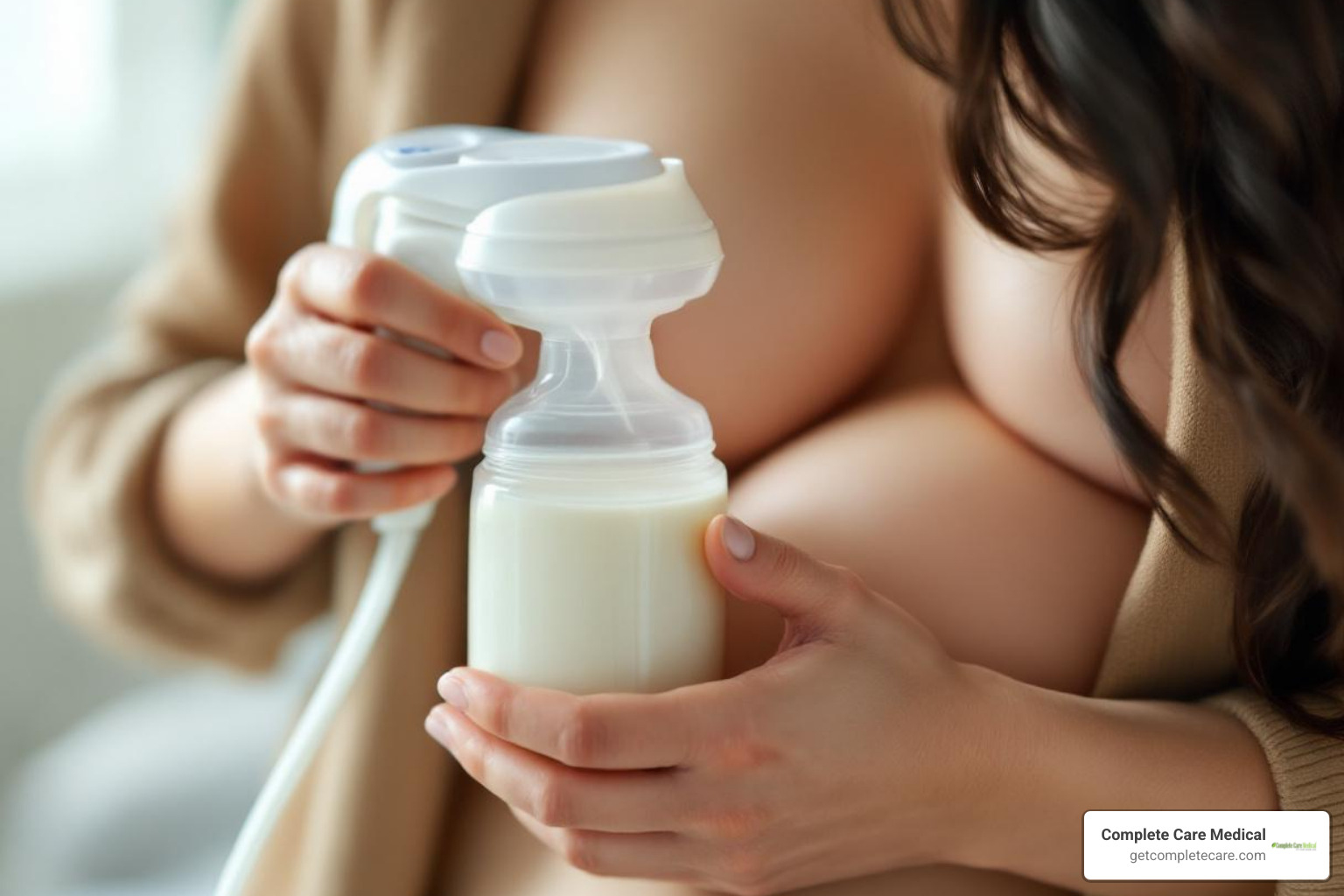
The Best Times of Day to Pump for Maximum Milk Output (Backed by Science) depends on your body's natural hormonal cycles. Pumping at specific times can increase your milk volume and efficiency.
Optimal Pumping Times:
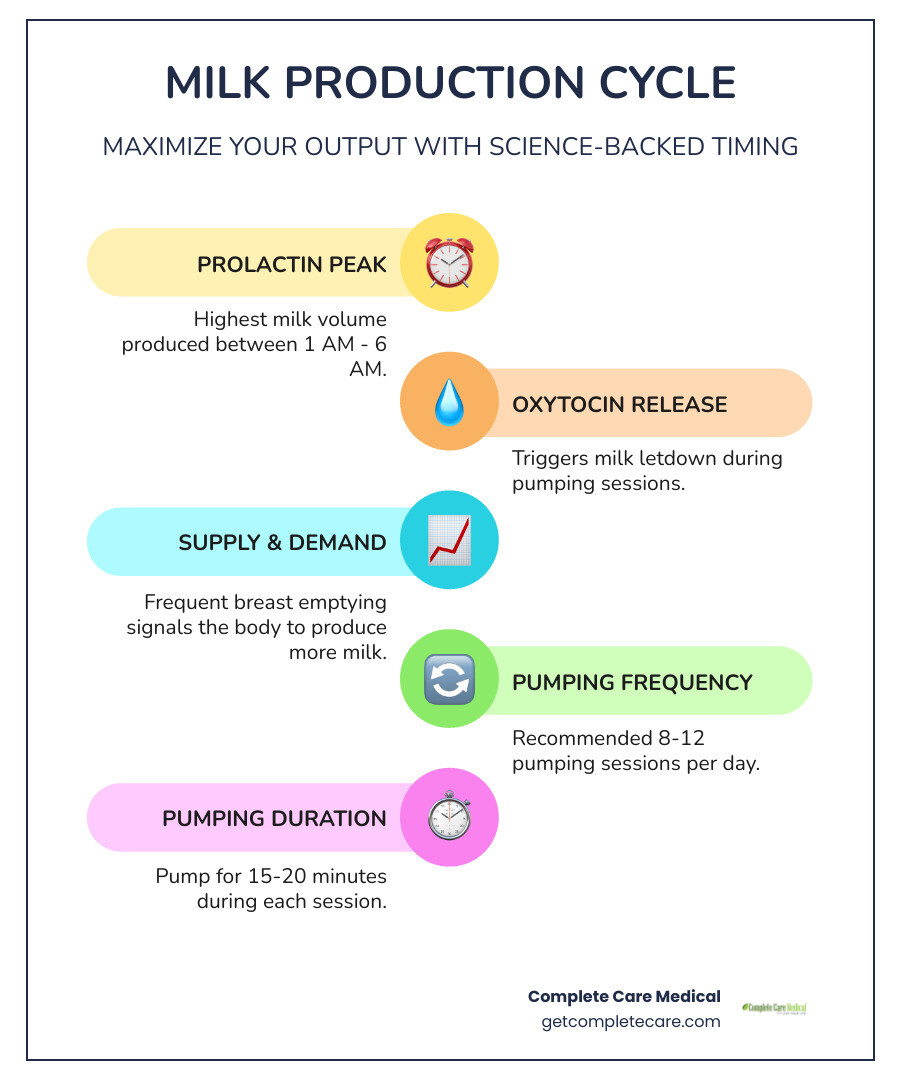
- Early Morning (1 AM - 6 AM) - Prolactin levels peak during these hours, resulting in the highest milk volume.
- Immediately After Waking - Natural hormone elevation makes this an ideal time for building a milk stash.
- Between or After Feedings - Signals your body to maintain a consistent supply through frequent breast emptying.
- Late Evening (10 PM - Midnight) - A secondary peak in milk production hormones occurs.
Key Success Factor: Frequency matters more than duration. Pumping 8-12 times per day for 15-20 minutes is more effective than fewer, longer sessions.
Your body makes milk on a supply-and-demand basis: the more you empty your breasts, the more you produce. Timing is also crucial. The milk-making hormone, prolactin, follows a daily rhythm, peaking during nighttime and early morning hours. Understanding this can help you maximize output, build a freezer stash, and maintain supply, whether you're exclusively pumping, back at work, or supplementing.
As experts who have helped over 50,000 families with insurance-covered breast pumps, we at Complete Care Medical have seen how understanding your body's rhythms can transform your pumping experience from exhausting to empowering.
The Science Behind the Best Times of Day to Pump for Maximum Milk Output (Backed by Science)
Milk production works with your body's internal clock, or circadian rhythm. The key hormone is prolactin, which fluctuates over a 24-hour cycle, peaking at night and in the early morning. This is why morning pump sessions often yield more volume.

Why Morning is the Prime Time for Pumping
When discussing the best times of day to pump for maximum milk output, the early morning (1:00 a.m. to 6:00 a.m.) is prime time due to the prolactin hormone peak. After a night of rest, this surge signals your body to produce more milk. Many mothers report a significantly higher milk volume in the morning. While this milk may have a slightly lower fat content, the volume is invaluable for building a freezer stash or establishing a supply, as the longer rest allows breasts to fill more completely.
Structuring Your Pumping Schedule for Success
Consistency is key. Regular breast emptying signals the need for more milk. For establishing supply, most experts recommend a pumping frequency of 8-12 times per day for 15-20 minutes each. The number of sessions is often more crucial than the duration.
- Exclusive Pumping: Aim for 8-12 sessions every 2-3 hours. You can often reduce sessions after 3-4 months once supply is established.
- Pumping to Supplement: Pump 30-60 minutes after nursing to increase production. A daily morning pump is great for building a stash.
- Pumping at Work: Pump every 3-4 hours for about 15 minutes. U.S. federal law protects your right to pump breaks and a private space.
Here are some sample schedules:
- Newborn Exclusive Pumping (0-3 months): Every 2-3 hours (e.g., 7 AM, 9 AM, 11 AM, 1 PM, 3 PM, 5 PM, 7 PM, 10 PM, 2 AM).
- Established Supply (3+ months): 5-7 sessions per day (e.g., 7 AM, 11 AM, 3 PM, 7 PM, 11 PM).
- Building a Stash: Add one 10-15 minute session after the first morning feed.
- Power Pumping (to boost supply): Replace one session with this 1-hour cycle: pump 20 mins, rest 10, pump 10, rest 10, pump 10.
Advanced Techniques to Boost Your Milk Supply
Beyond timing, certain techniques can improve your output.
- Power Pumping: Mimics cluster feeding to signal more milk production. Use this 1-hour technique if you notice a supply dip.
- Hands-On Pumping: Compress and massage breasts while pumping to fully drain them and signal more milk production. Stanford University has a helpful video on this technique.
- Hand Expression: A valuable skill for collecting colostrum, relieving engorgement, or when without a pump. Use before and after pumping for full drainage.
- Breast Massage: Warmth and gentle massage before and during pumping can increase milk flow.
- Using Baby's Photo or Video: Looking at photos or videos of your baby can trigger the oxytocin-driven let-down reflex and improve milk flow.
Special Considerations: Pumping for Preterm Infants and Other Factors
For mothers of preterm infants in the NICU, establishing supply without a baby at the breast is a common challenge. A key goal is Coming to Volume (CTV)—pumping at least 500 mL per day by 14 days postpartum. Research shows pumping at least 5 times daily, including one early morning session, is crucial. Maternal factors like race, age, and insurance access also impact outcomes, highlighting the need for equitable support. Complete Care Medical helps mothers overcome barriers by making insurance-covered breast pumps accessible.
Practical Tips and Overcoming Common Pumping Challenges
Navigating pumping can be a puzzle, but with the right tools and knowledge, you can make every session count.
The Best Times of Day to Pump for Maximum Milk Output (Backed by Science): Making Every Session Count
To maximize your milk output, it's not just about when you pump, but how.

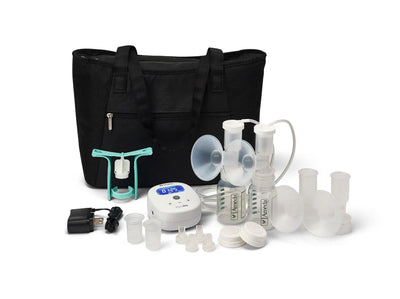
- Double Electric Pump: A double electric pump improves efficiency. Hospital-grade pumps are ideal for exclusive pumping. We can help with insurance coverage.
- Correct Flange Size: A correct flange fit is critical to prevent pain and maximize output. Your nipple should move freely. A lactation consultant can help.
- Comfortable Suction Settings: Use the highest comfortable suction setting. More suction isn't always better and can cause pain.
- Hydration and Nutrition: Stay hydrated and eat a balanced diet. Your body needs fuel to make milk.
- Relaxation Techniques: Relax to help your let-down. Listen to music, look at baby photos, or practice deep breathing.
Troubleshooting and Seeking Support
Even with the best planning, challenges can arise. Help is available.
- Low Supply Concerns: For low supply, increase pumping frequency, try power pumping, and don't go over 5 hours between sessions.
- Engorgement Relief: For engorgement, pump or hand express just enough to relieve discomfort. Over-pumping can worsen it.
- Plugged Ducts: Clear plugged ducts with frequent emptying, warm compresses, and massage. Check your bra and flange fit.
- Weaning from the Pump: To wean, gradually reduce pumping duration or frequency over days or weeks to prevent engorgement.
- Lactation Consultants: Lactation consultants offer personalized advice. Complete Care Medical helps you get an insurance-covered pump and have recommendations for local consultants.
- Community Support: Connect with other mothers for emotional support and to share experiences. Find a community here.
- Understanding Your Medical Devices: A breast pump is a medical device. Learn to use and care for it properly. Learn more here.
Pumping is a journey. By understanding your body's rhythms and using effective techniques, you can pump with confidence. Complete Care Medical is here to support you with high-quality, insurance-covered breast pumps. You've got this!