











 800.503.7604
Why Diabetes Supplies Matter for Your Daily Health
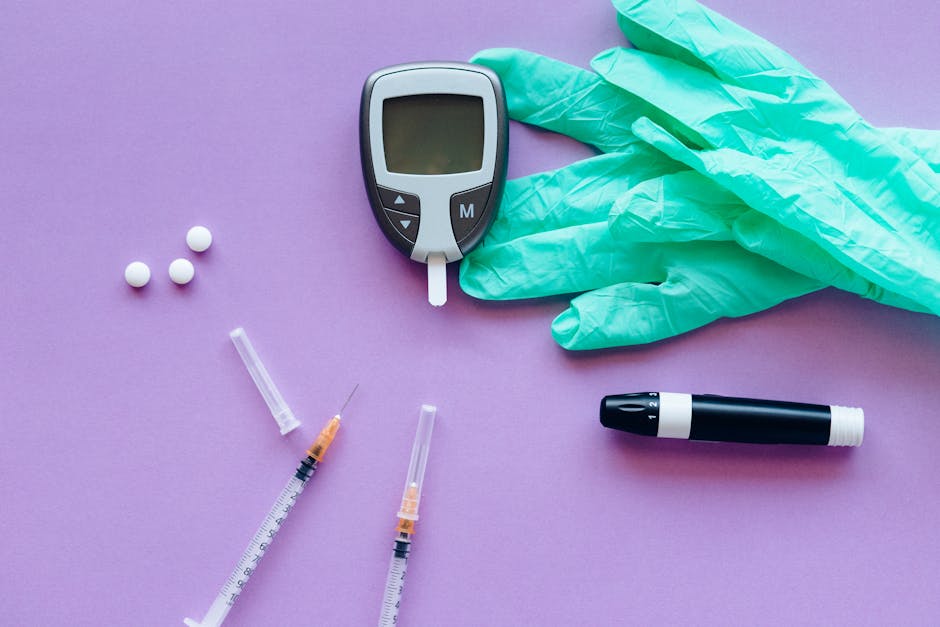
Diabetes supplies are essential tools for monitoring blood sugar, delivering insulin, and preventing complications. Having the right supplies is critical for daily health, whether you're newly diagnosed or have managed diabetes for years.
Core diabetes supplies include:
- Blood glucose meters and test strips - for checking blood sugar levels
- Lancets and lancing devices - for obtaining blood samples
- Insulin delivery systems - syringes, pens, or pumps to administer insulin
- Continuous glucose monitors (CGMs) - for real-time blood sugar tracking
- Emergency supplies - glucose tablets, ketone test strips, and glucagon kits
- Specialized care items - foot care products, skin moisturizers, and dental supplies
For the over 37 million Americans with diabetes, these supplies are necessary to prevent complications like heart disease, kidney failure, and vision loss. The global market for these devices was valued at $21.5 billion in 2022, reflecting their life-sustaining importance.
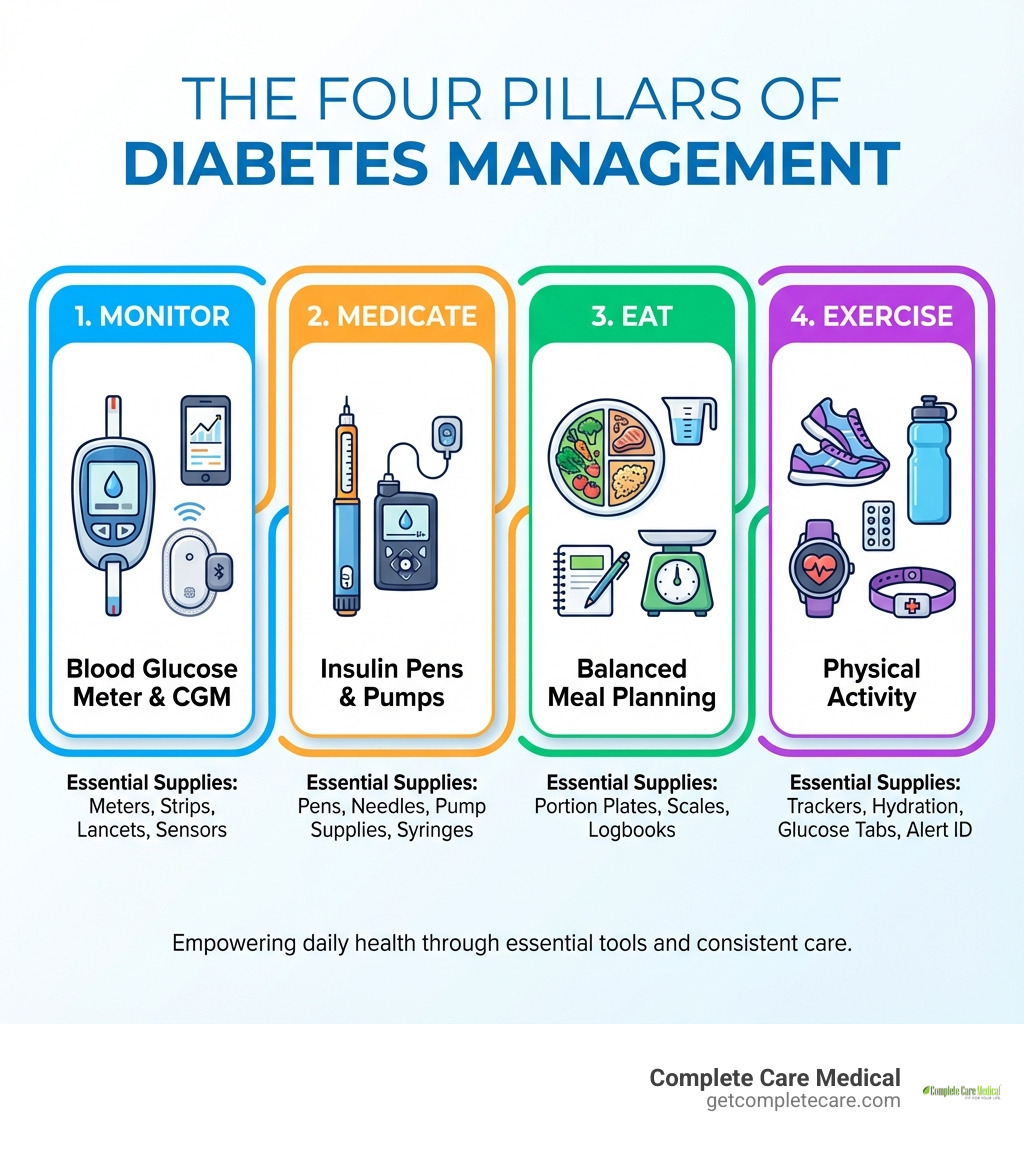
Managing diabetes involves daily tasks like monitoring blood sugar, taking medication, eating properly, and staying active. Reliable access to specific supplies for each task is crucial for thriving with the condition.
At Complete Care Medical, we've spent nearly 20 years helping customers steer insurance-covered medical supplies and wellness products. Specializing in urological and diabetes supplies, we understand the importance of personalized care and reliable product delivery for managing chronic health conditions.
A Breakdown of Essential Diabetes Supplies
Essential diabetes supplies are vital tools for managing your health and preventing complications. This guide covers the different types of supplies you may need, though your specific requirements will depend on your diabetes type, treatment plan, and lifestyle. For a general overview, resources like What diabetes supplies will I need can be helpful.
Blood Glucose Monitoring Systems
Consistent blood glucose monitoring is central to diabetes management, helping you understand how food, activity, and medication affect your sugar levels to make informed decisions.
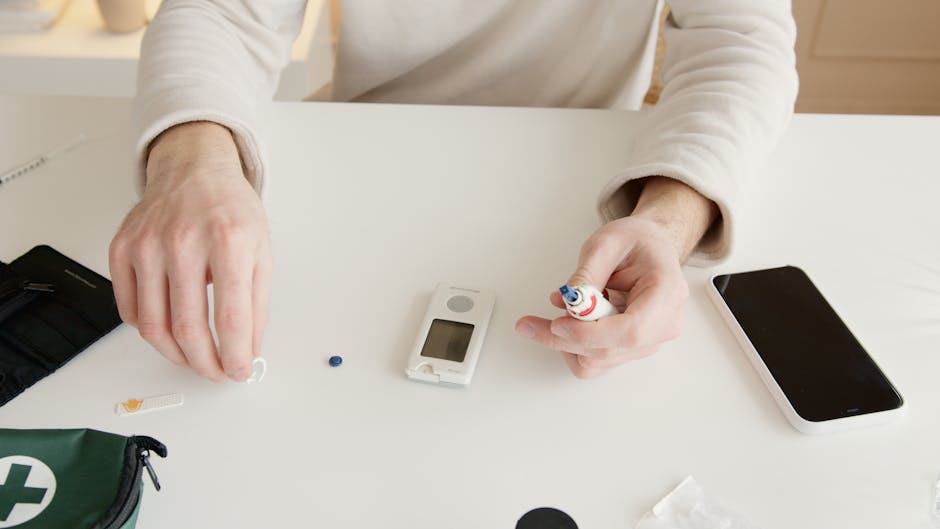
Blood Glucose Meters (Glucometers), Test Strips, Lancets, and Lancing Devices: This traditional method uses a glucometer to read glucose from a blood sample. A lancing device with a sterile lancet pricks the skin (usually a fingertip) to get a drop of blood, which is placed on a test strip inserted into the meter. These systems provide immediate feedback and are fundamental for diabetes management.
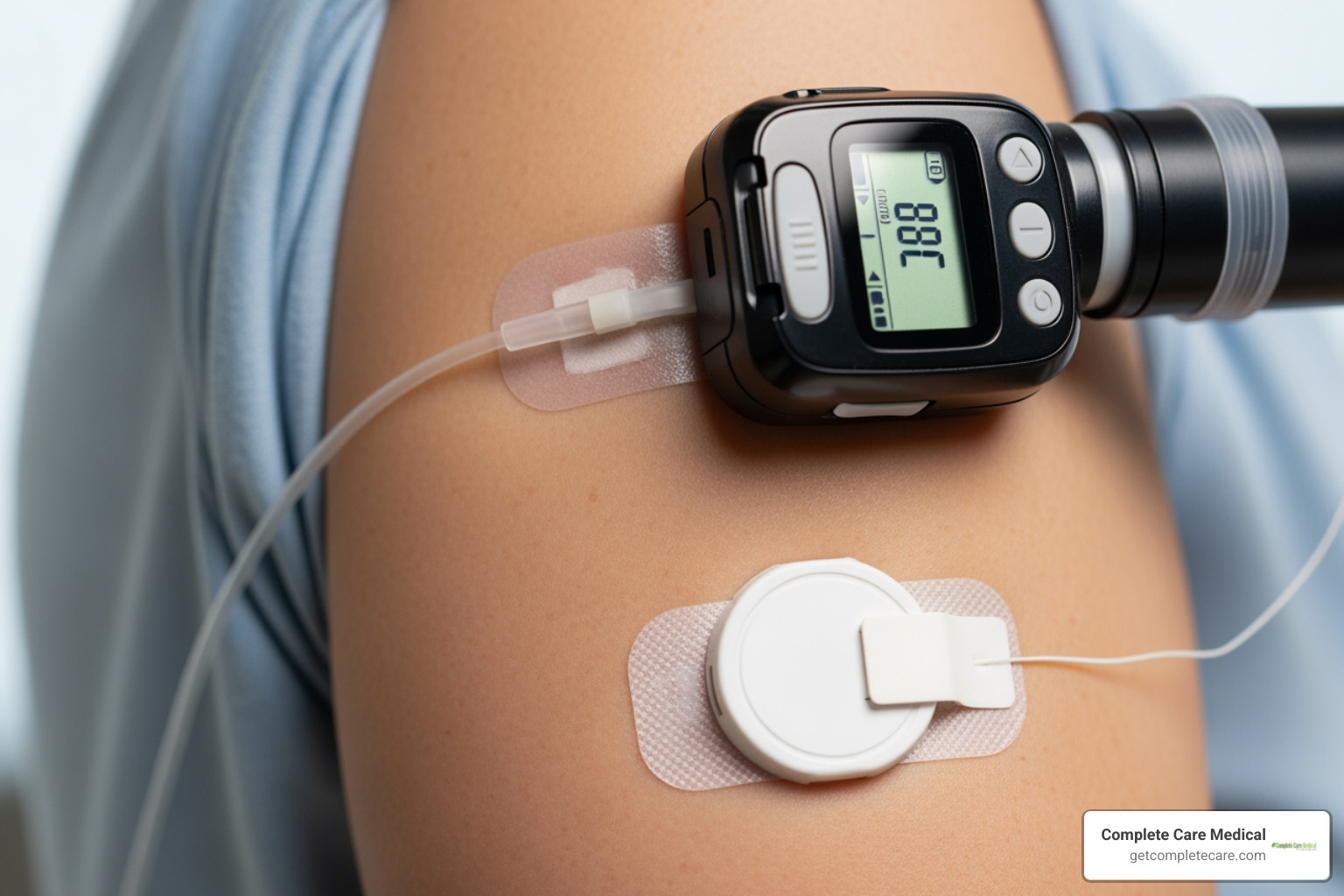
Continuous Glucose Monitors (CGMs): CGMs provide real-time blood sugar readings without constant finger pricks. A small sensor under the skin measures glucose in the interstitial fluid, sending data to a receiver or smartphone every few minutes. CGMs help identify trends, alert users to high or low glucose levels, and can integrate with insulin pumps. Their growing popularity is reflected in a market expected to reach $12.1 billion by 2027. Learn more in our guide on Continuous Glucose Monitoring: What You Need to Know.
Insulin Delivery Methods
For those who need insulin (all with Type 1 and some with Type 2), delivery methods have evolved to offer more convenience and precision.
Insulin Syringes: The traditional method involves drawing insulin from a vial into a syringe for injection. While effective, syringes require careful measurement and can be less convenient than other options.
Insulin Pens: Insulin pens are discreet, convenient devices containing an insulin cartridge. Users dial in the dose, making them simpler than syringes. Modern "smart pens" can connect to apps to track dosage and timing, further enhancing management.
Insulin Pumps: An insulin pump is a small device that delivers a continuous "basal" rate of insulin through a catheter under the skin, mimicking the pancreas. Users can program "bolus" doses for meals or corrections. Pumps offer flexibility and precise dosing, with a market projected to reach $7.5 billion by 2027.
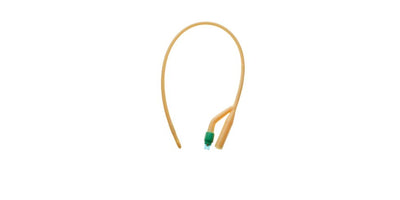
Catheters: Catheters (or infusion sets) are essential for pump users. These small, sterile tubes are inserted under the skin and changed every few days to deliver insulin from the pump to the body.
Closed-Loop Systems (Artificial Pancreas Systems): Also known as artificial pancreas systems, these combine a CGM and an insulin pump. An algorithm automatically adjusts insulin delivery based on CGM readings, minimizing user input and automating diabetes management.
Key Emergency and Ancillary Diabetes Supplies
Beyond daily tools, certain supplies are crucial for emergencies. Being prepared is a cornerstone of good diabetes care.
Ketone Test Strips: When the body lacks insulin, it produces ketones, which can lead to diabetic ketoacidosis (DKA). Ketone test strips (for urine or blood) detect ketones and should be used during illness or if blood sugar is consistently high (e.g., 240 mg/dL or higher).
Glucose Tablets and Glucagon Kits: For hypoglycemia (low blood sugar, below 70 mg/dL), glucose tablets are fast-acting and should be kept readily available. For severe lows where a person is unconscious, a glucagon emergency kit is vital. Glucagon is an injectable hormone that signals the liver to release glucose. Note that slow-digesting foods like chocolate are not ideal for treating lows.
Medical Alert Jewelry: A medical alert bracelet or necklace is a simple but vital tool. In an emergency where you can't communicate, it informs first responders about your diabetes, ensuring you receive appropriate and timely care.
For general emergencies, the American Diabetes Association recommends keeping a 7-day emergency kit with supplies, medication, food, and water in a waterproof container to prepare for any disruption.
Specialized Care for Preventing Complications
Diabetes can affect the whole body, so specialized care supplies are essential for preventing complications and improving long-term health.
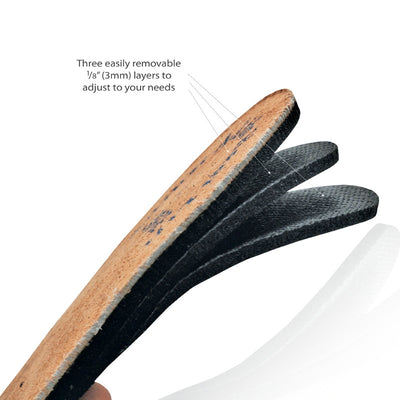
Foot Care: Diabetes increases the risk of foot problems from nerve damage and poor circulation. Essential supplies include seamless, moisture-wicking diabetic socks; fragrance-free moisturizers to prevent skin cracking; and properly fitting specialized footwear to avoid pressure sores. Daily self-checks are also vital.
Skin Care: Diabetes can cause dry skin prone to infection. Use mild soaps and gentle moisturizers to maintain skin health, and avoid harsh chemicals. Early detection of skin issues is key to preventing serious problems.
Dental Care: Diabetes increases the risk for gum disease. Consistent dental hygiene—including daily brushing and flossing and regular dental check-ups—is crucial for preventing oral health issues. Good overall health, including dental care, can positively impact other diabetes-related conditions like Diabetic Bladder Issues: What You Need to Know.
Accessing Supplies and Embracing Innovation
Securing diabetes supplies involves navigating costs and insurance, but understanding your options and embracing innovation can make management more effective.
Navigating Costs and Insurance for Your Diabetes Supplies
The cost of diabetes supplies is a common concern, but insurance and government programs can help. Many supplies are considered Durable Medical Equipment (DME).
Insurance Coverage: Insurance coverage for diabetes supplies varies by provider and plan. In the U.S., Medicare Part B covers many supplies, including testing equipment, insulin pumps, and therapeutic shoes. After the deductible, you typically pay 20% of the Medicare-approved amount if your supplier accepts assignment. Always verify that your supplier accepts assignments to minimize out-of-pocket costs.
CGM Coverage: As CGMs become more common, so does insurance coverage. In the U.S., Medicare covers CGMs for those who meet certain criteria, like using insulin and frequent testing. Similar policies exist with private insurers in many countries. Contact your provider to understand your specific benefits.
Finding In-Network Suppliers: Using "in-network" suppliers helps manage costs, as they have agreements with your insurer for lower rates. At Complete Care Medical, we can help navigate your insurance coverage for diabetes supplies and more.
The Future of Diabetes Tech and Finding Support
Diabetes technology is a dynamic field, with innovations constantly emerging for easier and more effective management.
Smart Technology and Connected Devices: The future is smart and connected. Smart insulin pens track dosage and timing, while connected glucometers automatically upload readings to the cloud for remote monitoring by healthcare providers. These devices improve tracking and help optimize control.
Artificial Pancreas Systems: The ultimate goal is the "artificial pancreas," a fully automated system that monitors glucose and delivers insulin without user input. Today's hybrid closed-loop systems are a major step toward this goal, offering users unprecedented control.
-
Finding Reliable Suppliers: Reliable suppliers are key to purchasing diabetes supplies. Look for those with a wide product range, insurance expertise, and good customer service. Options include:
- Pharmacies: Stock essential supplies like test strips and insulin.
- DME Providers: Specialize in devices like CGMs and insulin pumps, often assisting with insurance and home delivery.
- Online Retailers: Offer competitive pricing, but verify they are reputable and products are unexpired and approved by regulatory bodies.
- Complete Care Medical: Our philosophy is rooted in compassionate service and simplified insurance navigation to ensure easy access to quality health products.
As we continue to navigate the complexities of diabetes, staying informed about the latest technologies and knowing where to find reliable support are key. For more in-depth information on managing your health, we encourage you to Learn more about managing your health with our Diabetes 101 guide. We are here to support you in your health journey, ensuring you have the information and resources you need to thrive.