










 800.503.7604
Why Your Voice Matters in Healthcare
How you talk to your doctor about medical supplies and wellness goals is key to getting the care you deserve. Effective patient-provider communication directly impacts your health outcomes, satisfaction, and ability to manage your conditions.
Quick Guide: Key Steps for Talking to Your Doctor
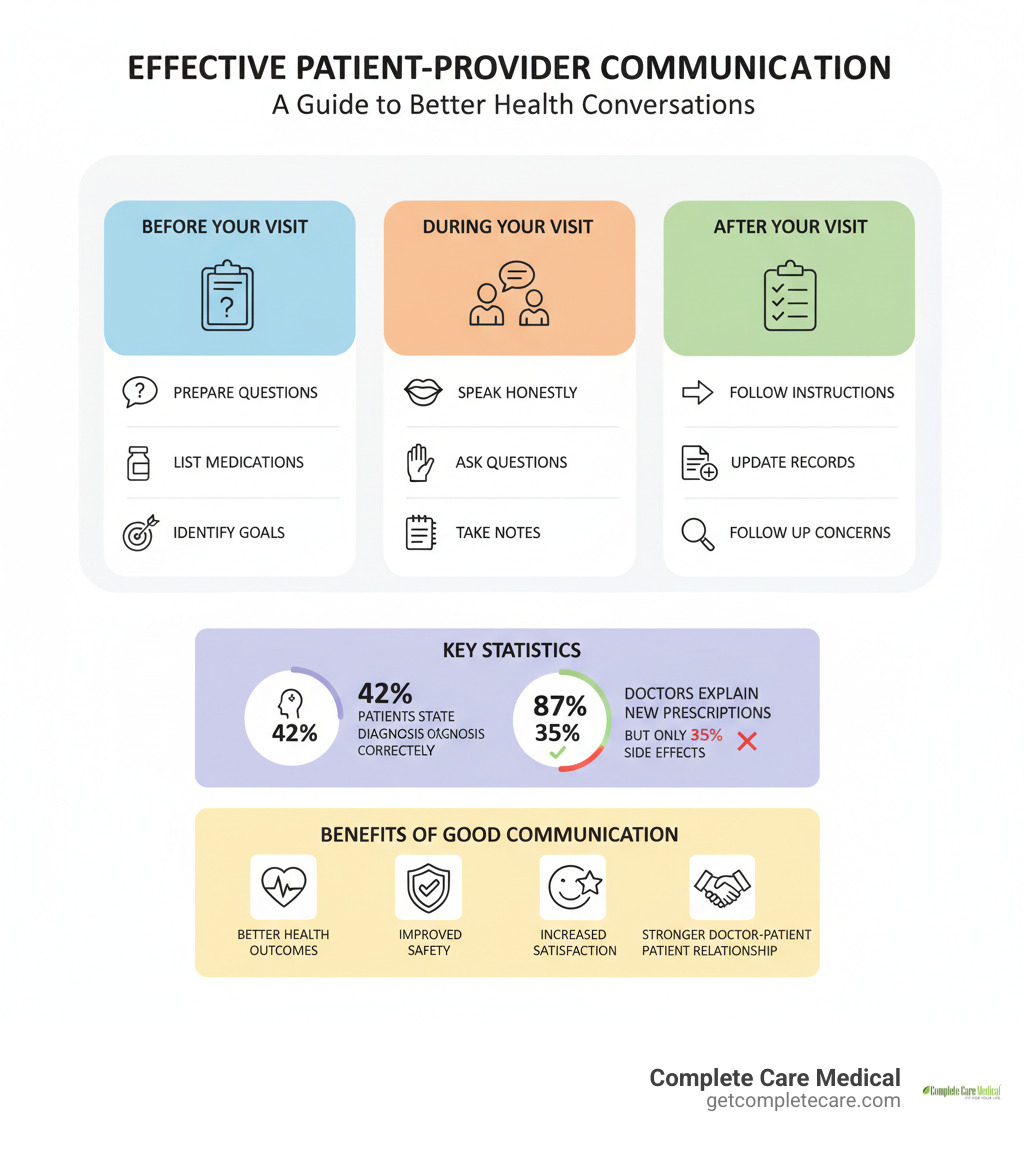
- Prepare before your visit: List your top 2-3 concerns, medications, and questions.
- Be specific about your needs: Describe the medical supplies you need and how they affect your daily life.
- Share your wellness goals: Tell your doctor what matters most to you (e.g., better sleep, more energy).
- Ask questions until you understand: Repeat instructions in your own words to confirm.
- Discuss insurance coverage: Ask what's covered and what alternatives exist.
- Follow up: Schedule next steps and know how to contact your care team.
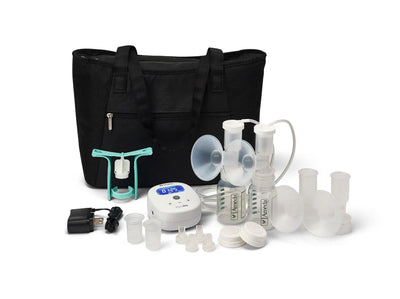
When patients and providers communicate well, studies show it leads to better treatment adherence, improved health outcomes, and higher satisfaction. Whether you need urological supplies, a breast pump, or want to discuss wellness goals, speaking up is the first step. Your concerns are valid and deserve attention.
Preparing for a Productive Conversation
Doctor's appointments can feel rushed, but preparation transforms them into productive conversations. Before your visit, decide on your top concerns to create a personal agenda.
![[object Object]](https://images.bannerbear.com/direct/4mGpW3zwpg0ZK0AxQw/requests/000/118/188/316/bknAjN4e763yvBdlYXPRKxlD8/99e74cf60a45cf18d7d382ad30f7d3d6307e607f.jpg "[object Object]")
Here's how to prepare:
- Document Your Health Status: Keep a record of health issues, surgeries, and allergies.
- List All Medications: Bring a list of all prescriptions, OTC drugs, vitamins, and supplements.
- Track Your Symptoms: Note when symptoms started, how often they occur, and what affects them.
- Formulate Specific Questions: Prepare clear questions like, "Can you prescribe [supply name]?" or "What steps do you recommend to improve my sleep?"
- Consider Insurance Questions: Ask what your insurance covers for supplies. Learn about maximizing your insurance benefits.
- Bring a Support Person: A friend or family member can help take notes and remember questions.
- Request an Interpreter: If language is a barrier, call ahead to request an interpreter.
- Use Tools: Apps like the AHRQ's QuestionBuilder can help organize your questions.
Effectively Communicating Your Medical Supply Needs
For medical supplies like urological products or breast pumps, specificity is crucial. Your input helps your doctor prescribe the best solution for your quality of life.
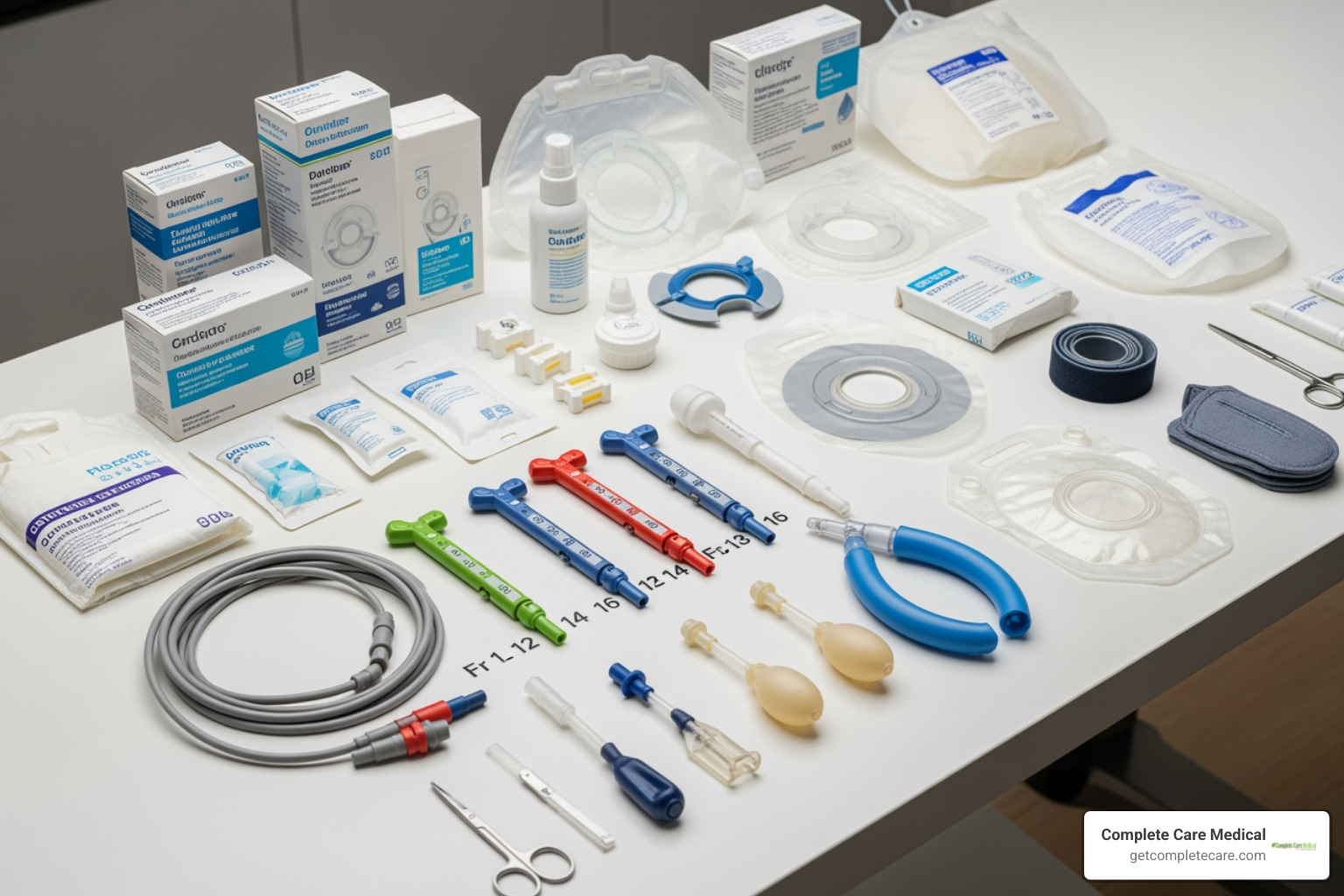
Here’s how to communicate your needs:
- Be Specific About the Product: Instead of "I need catheters," say "I need a hydrophilic intermittent catheter, size 14 French." Share what has or hasn't worked.
- Describe Product Performance: Explain if a product is uncomfortable, difficult to use, or doesn't fit your lifestyle.
- Explain Daily Life Impact: Describe how a supply affects your work or comfort (e.g., "This leg bag is visible under my clothes, making me self-conscious.").
- Discuss Discomfort or Side Effects: Be honest about any pain or skin irritation. A small change can make a big difference.
- Address Insurance and Cost: Ask, "Is this covered by my insurance? Are there less expensive alternatives?"
- Come with Research (but be open): It's fine to research products, but present your findings as a starting point for discussion.
Discussing Your Wellness Goals
Your healthcare also includes wellness goals that improve your quality of life, like improving nutrition or managing stress. These are important topics to discuss with your doctor.
Here’s how to discuss your wellness goals:
- Define Your Goals Clearly: Be specific. Instead of "I want to be healthier," try "I want to lower my blood pressure through diet and exercise."
- Connect Goals to Your Values: Explain why a goal matters, such as, "I want to manage stress better to enjoy my family time."
- Discuss Lifestyle Changes: Ask for guidance on nutrition, exercise, or stress management. Learn about the role of nutrition and preventative care.
- Inquire About Wellness Products: Discuss any supplements or wellness items with your doctor to check for interactions and efficacy.
- Be Realistic and Collaborative: Work with your doctor to set achievable goals.
- Ask for Resources and Referrals: Your doctor can refer you to specialists like dietitians or physical therapists.
Overcoming Common Communication Barriers
Recognizing communication challenges is the first step to overcoming them.
Here are common barriers and strategies:
- Time Constraints: Doctors are often rushed. Strategy: Be prepared with your top concerns and state them clearly at the start. If you feel rushed, ask to schedule another time.
- Medical Jargon: Complex terms can be confusing. Strategy: Ask, "Could you explain that in simpler terms?" and repeat information back in your own words.
- Feeling Intimidated: It's common to feel intimidated. Strategy: Remember you are a partner in your health. Use "I" statements like, "I feel concerned about this treatment plan."
- Language and Cultural Barriers: Strategy: Request a professional interpreter in advance if needed. Share any cultural beliefs that might affect your healthcare.
- The Role of Technology: Patient portals allow you to review notes and message your care team. Explore more info on telehealth services.
The Benefits of Better Communication and Next Steps
The Positive Outcomes
Engaging in clear, honest dialogue with your doctor improves your entire healthcare experience.
- Improved Health Outcomes and Safety: When you clearly explain your needs, doctors can make more accurate diagnoses and recommend better treatments. Research shows this leads to faster recovery and improved quality of life.
- Shared Decision-Making: You become an active participant, collaborating with your doctor on treatment plans that align with your values.
- Better Treatment Adherence: Clear instructions on using medical supplies and following wellness plans reduce complications and hospital readmissions.
- Increased Satisfaction and Trust: When you feel heard and respected, your satisfaction with care increases, building a foundation of trust for a long-term healthcare partnership.
Your Partner in Health and Wellness
Taking an active role in your healthcare is a journey you don't have to walk alone. At Complete Care Medical, we empower you to navigate the healthcare system with confidence.
For over 30 years, our personalized service has helped patients with everything from insurance paperwork to choosing the right products. We specialize in simplifying medical supplies, delivering insurance-covered urological catheters and breast pumps, often at no cost to you, by handling the complex paperwork.
We also support your wellness goals with a curated range of high-quality wellness products available for direct purchase. Education is central to our mission, and our health and wellness articles provide practical guidance for your doctor's appointments.
Your health is a team effort. When you're ready to talk to your doctor, know that Complete Care Medical is here to support you with the products, expertise, and compassionate care that make all the difference.