







 800.503.7604
Why Sun Safety Matters More Than You Think

Sun safety is the practice of protecting your skin, eyes, and overall health from the harmful effects of ultraviolet (UV) radiation. Here's a quick overview of the most important steps:
- Wear broad-spectrum SPF 30+ sunscreen and reapply every 2 hours
- Seek shade between 10 a.m. and 4 p.m. when UV rays are strongest
- Cover up with long sleeves, wide-brimmed hats, and UV-blocking sunglasses
- Check the UV Index daily before heading outside
- Avoid tanning beds — they carry the same cancer risk as direct sun exposure
- Do monthly skin self-exams and see a dermatologist annually
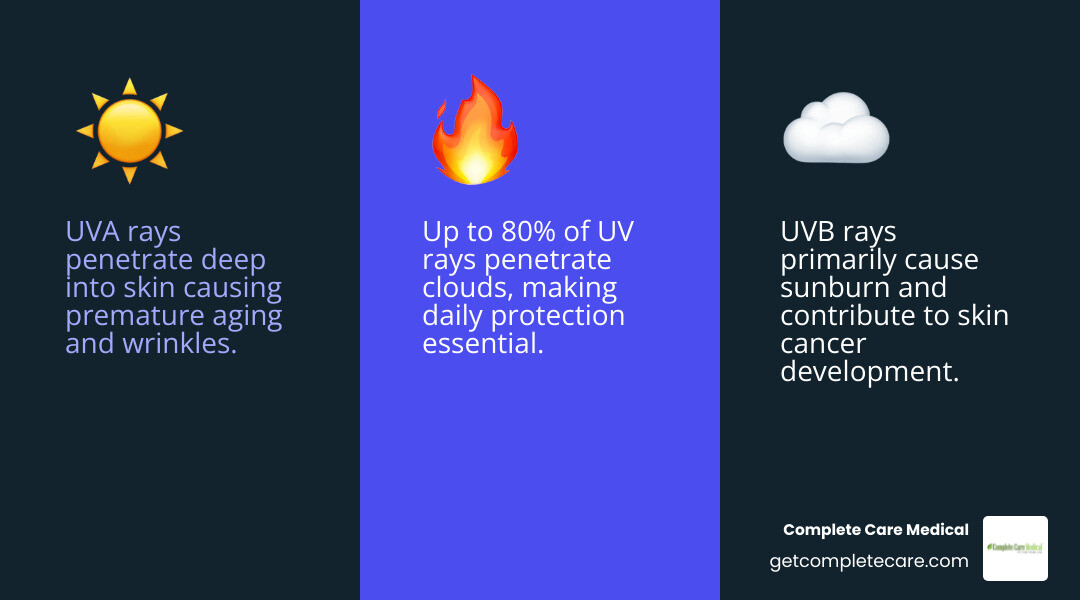
Most people think sun damage only happens on a hot, sunny day at the beach. But UV rays penetrate clouds, reflect off water, snow, and sand, and silently add up from everyday activities — walking to your car, checking the mail, or sitting near a window.
The numbers are hard to ignore. Skin cancer is the most common cancer in the United States, with more than 3.5 million new cases diagnosed every year. In 2024 alone, an estimated 100,640 people were diagnosed with melanoma, and 8,290 died from it. Beyond the human cost, Americans lose more than $100 million in workplace productivity annually because of skin cancer.
The good news? Most skin damage from the sun is entirely preventable.
In the sections ahead, we'll break down everything you need to know to protect yourself and your family year-round.
Essential Strategies for Total Sun Safety
UV radiation (UVA and UVB) is invisible but dangerous. UVA causes deep skin aging, while UVB causes surface burns. Both contribute to skin cancer risk.

UV rays peak between 10 a.m. and 4 p.m. Use the "shadow rule": if your shadow is shorter than you, seek shade. UV reflects off sand (15%), water, and snow (up to 80%). Check the UV Index daily; protection is needed when it's 3 or higher. For more advice, see our summer survival tips.
UVA vs. UVB: Understanding the Difference
| Characteristic | UVA (Aging) | UVB (Burning) |
|---|---|---|
| Wavelength | Longer (320–400 nm) | Shorter (280–320 nm) |
| Skin Penetration | Deep (Dermis) | Superficial (Epidermis) |
| Cloud/Glass | Penetrates both | Mostly blocked by glass |
| Cancer Risk | Contributes to cancer | Main cause of most cancers |
| Seasonality | Year-round | Strongest in summer |
Mastering Sunscreen
Choose Broad-Spectrum, SPF 30+, and Water Resistant products. Apply one ounce 15-30 minutes before exposure. Reapply every two hours, or after swimming/sweating. Don't forget ears, feet, and the scalp. Check expiration dates; sunscreen typically lasts three years. Learn more about staying safe this summer.
Vulnerable Groups
- Infants: Keep babies under 6 months in the shade. Use mineral sunscreens for older infants.
- Outdoor Workers: Employers should provide shade. Heat exposure can lead to heat exhaustion and heat stroke.
- Health Conditions: Diabetes and spinal cord injuries can affect heat regulation. Some medications increase photosensitivity.
Eye Protection
UV exposure causes cataracts and macular degeneration. Choose sunglasses with a UV400 Rating and wraparound styles. Polarization reduces glare but doesn't block UV. Stay vigilant with Sun Safety Facts.
Long-Term Health and Early Detection
UV exposure leads to photoaging and skin cancer. The three main types are Basal Cell Carcinoma, Squamous Cell Carcinoma, and Melanoma. While Melanoma is dangerous, early detection yields a 99% survival rate. You can safely get Vitamin D from diet or supplements rather than UV exposure, even when exercising in the heat.
Skin Self-Exams
Perform monthly checks using the ABCDE method:
- Asymmetry: Halves don't match.
- Border: Irregular or blurred.
- Color: Multiple shades.
- Diameter: Larger than 6mm.
- Evolving: Changing in size, shape, or color.
Consult a professional for any suspicious spots. Monitor Sunlight and Cancer Risk regularly.
Sun Safety for Every Stage of Life
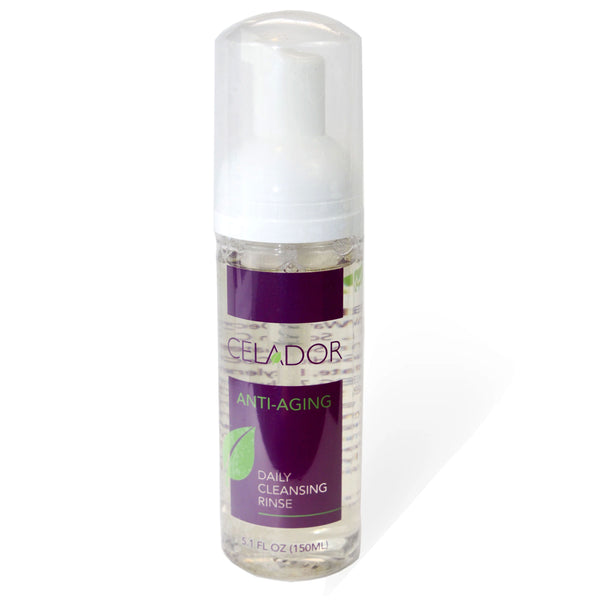
Complete Care Medical supports your wellness journey. From insurance-covered supplies to anti-aging skincare, we prioritize your health. Based in Houston, we are committed to community education. Explore our resources on healthcare for aging populations.
Sun safety is a lifelong commitment. Stay safe, stay covered, and reapply!